



More Auto Dealers See Market as Weak
U.S. auto dealers cite a poor economy, higher interest rates and low inventory as the reason why, finds the Cox Automotive Dealer Sentiment Index.

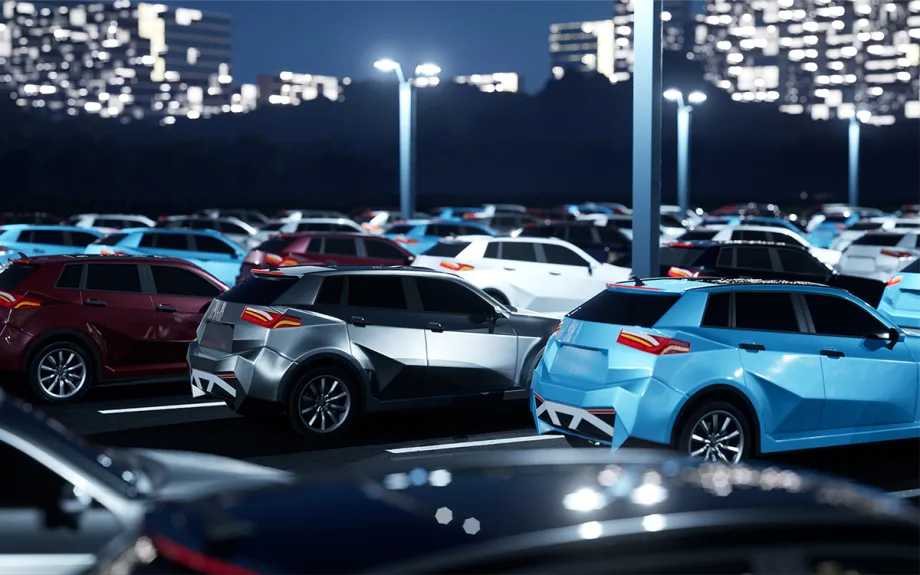
U.S. auto dealers cite a poor economy, higher interest rates and low inventory as the reason why, finds the Cox Automotive Dealer Sentiment Index.
IMAGE: Getty Images
More auto dealers view the auto market as weak than those who view it as strong, according to the Cox Automotive Dealer Sentiment Index (CADSI).
The current market index is at 43, below the threshold of 50, the lowest level since the COVID-19 pandemic began. The current index is down 6 points compared to the previous quarter’s index and down 17 points year over year, and much lower than the pre-pandemic average of 48.
The current market index hit its highest point in the second quarter of 2021, at 67. It has dropped every quarter since then.
U.S. auto dealers share the poor economy, higher interest rates and low inventory lead them to view the market more negatively.
“High interest rates and a slowing economy are clearly weighing heavily on U.S. auto dealers right now,” said Jonathan Smoke, Cox Automotive Chief Economist. “Dealers are normally optimistic, so the drop in the 3-month outlook to a new low in our survey history is noteworthy. As the year began, dealers were telling us about one obvious problem: Inventory. Now, as 2022 comes to a close, it’s all about the economy and interest rates.”
The 3-month, forward-looking market outlook index dropped now sits at 41, a record low and well below the first quarter’s index of 64. The economy index also decreased for the second consecutive quarter to 43 in the fourth quarter, down from 45 in the third quarter and below the positive threshold. This shows a majority of U.S. auto dealers feel the economy is weak.
The profit index also showed a decline, shifting to 44 from 50 in the third quarter and down from 57 in 2021. The falling profit index is still higher than the average index recorded in the three years prior to the COVID-19 pandemic, which sat at 41. Franchised dealers believe profits remain strong, at 67. Independent dealers, however, now see profits as weak, with an index score of 37.
The cost index – the cost of running a dealership – dipped 3 points quarter over quarter to 72 and decreased 4 points in the fourth quarter. After reaching a record low in Q2 2020 of 51, the cost index has climbed upward. Inflation in the U.S. economy has contributed to this decline.
CADSI revealed dealers see the economy as a leading concern. In fact, 62% of dealers cited it as a factor holding back business, up from 53% in the third quarter. Other factors holding back business included Interest Rates (49%), Limited Inventory (47%), Market Conditions (46%) and Political Climate (33%).
The new-vehicle inventory index improved for franchised dealers in the fourth quarter and is up significantly from one year ago, according to CADSI. The index hit 14 in Q4 2021, after hitting an all-time low of 13 Q3 2021. Now at 53, the new-vehicle inventory index shows more dealers feel inventory is growing, not declining. The new vehicle inventory index is above the 50 threshold for the first time since the pandemic began.
The new-vehicle inventory mix index has increased too. Still, it remains historically low at 41, showing the new-vehicle inventory mix is poor. In Q4 2019, the new-vehicle inventory mix index sat at 73. Overall, both new-vehicle inventory indexes continue to improve after bottoming out a year ago, when inventory levels hit all-time lows at dealerships across the country.
The used-vehicle inventory index increased as well in Q4 2022 to 42, 6 points higher than the previous quarter and up 13 points year over year. Among franchised dealers, the used-vehicle inventory index improved by 14 points year over year in Q4 to reach the threshold of 50. The index for independent dealers saw a 7-point gain to 39. The used-vehicle inventory mix index slightly improved quarter over quarter and year over year at 49. Overall, franchised dealers continue to be far more positive about inventory compared to independent dealers, but, consistent with last quarter, Limited Inventory ranks as one of the top three factors holding back business for dealers in Q4.
While new-vehicle inventory sentiment improved significantly in Q4, the view of new-vehicle sales improved only slightly, increasing from 51 to 52, meaning dealers remain marginally more optimistic about the current new-vehicle sales environment. One year ago, the index score was 45, meaning that more dealers saw the market as poor versus good. The new-vehicle incentives index rose by 3 points quarter over quarter to 25 and has remained relatively stable since Q3 2021. The index reading indicates dealers view OEM incentives as small as opposed to large. For comparison, the incentive index was at 49 in Q4 2019.
On the other hand, the used-vehicle sales index declined to 42. For franchised dealers, the used-vehicle sales index decreased by 8 points to 54 in Q4 and is now 16 points below year-ago levels. For independent dealers, the index fell 3 points from the previous quarter to 38 and is down 10 points from a year ago. Overall, most dealers view used-vehicle sales as poor.
High Interest Rates and a Declining Economy Darken Market Outlook
Notably, the market outlook for the next three months decreased to an all-time low of 41 in Q4 2022, down from 44 in Q3 and 60 one year ago. The lower score indicates that more dealers feel that the outlook for the next three months is weak, not strong. In fact, the Q4 market outlook index is significantly lower for both franchised and independent dealers year over year and 4 points below the index score from Q2 2020, at the height of the global COVID-19 pandemic.
The quarter-over-quarter decrease in market outlook, however, was driven more by franchised dealers, with an 11-point drop to 48. Independent dealers’ already-gloomy outlook dropped another point quarter over quarter to 39, a year-over-year decrease of 18 points.
Overall, the Economy is now the top factor holding back business, according to the Q4 2022 CADSI. The factors saw major changes from last quarter, with the top five shifting more toward economic and financial factors. In fact, in Q4 2022, Interest Rates jumped to the 2nd position in the list. Limited Inventory was in the 3rd position, but its score dropped 9 points quarter over quarter from 56% to 47%, a sign that inventory is improving but still a concern. Market Conditions and Political Climate rounded out the top five.
Originally posted on Auto Dealer Today
More Sales

September Payments Reach New Heights
Despite lower interest rates and longer loan terms, the average new-vehicle monthly payment continues to climb, and transaction prices remain high.
Read More →
Used Lots Getting the Business
Many consumers are seeking out the units to save money, and the demand – higher in July than normal – is keeping supply limited and prices up.
Read More →
Two Kinds of Agents and the 5 Ps That Separate Them
Follow these key guidelines to distinguish your agency from competitors by adding more value to your dealer clients' businesses.
Read More →
Positive Equity Reaches Record High
Mainstream vehicle owners who bought a car seven years ago are likely to have positive equity when trading in for a new vehicle, according to second-quarter Edmunds data.
Read More →
Used Market Stabilizes
The Carfax Used Car Index noted a major drop in used-vehicle price increases in July after several months of hikes.
Read More →
July Auto Sales Simmer
Deliveries were up modestly from a year ago despite still-high prices as OEMs offered more incentives and loan rates eased somewhat.
Read More →
Used Sales Hit Summer Drag
The vacation season, combined with high prices, has dented deliveries and added to inventories, though supply is still slim enough to keep listings elevated.
Read More →
June Automotive Boon?
A forecast for this month’s new-vehicle sales tells a familiar 2026 story: Year-over-year comparisons must be made in light of last year’s aberrations.
Read More →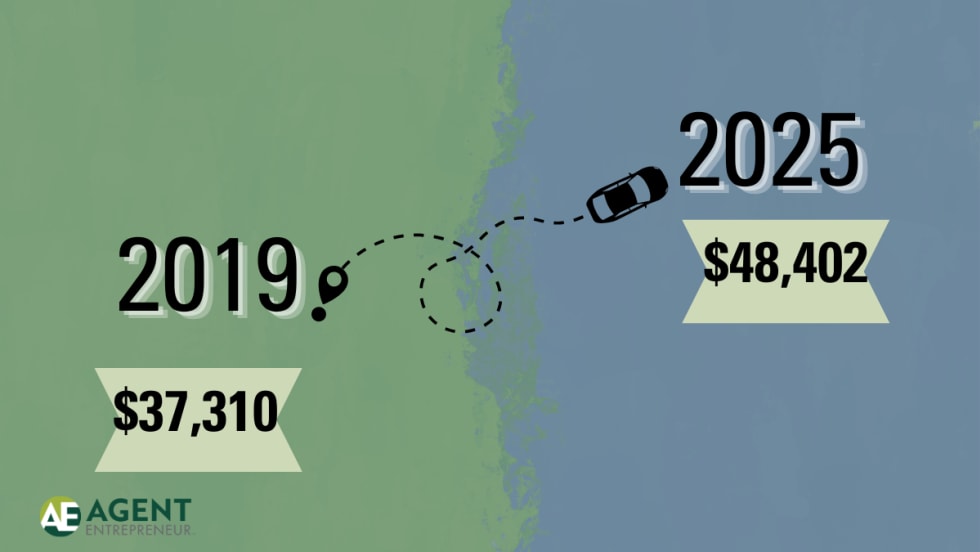
Affordable New Cars a Thing of the Past
More than one out of five new vehicles sell for more than $60,000, according to Edmunds. That's up 7% compared to prepandemic 2019.
Read More →
Legacy Automakers Risk Falling Behind
As legacy automakers, mostly in the U.S. and Japan, have revised their 2030 electric-vehicle sales targets and shifted to a hybrid focus, they risk falling behind new market leaders.
Read More →