



March New-Vehicle Sales Healthy
Despite incentive spending not keeping pace with deliveries volume, consumers make their purchases ahead of tariffs impact.

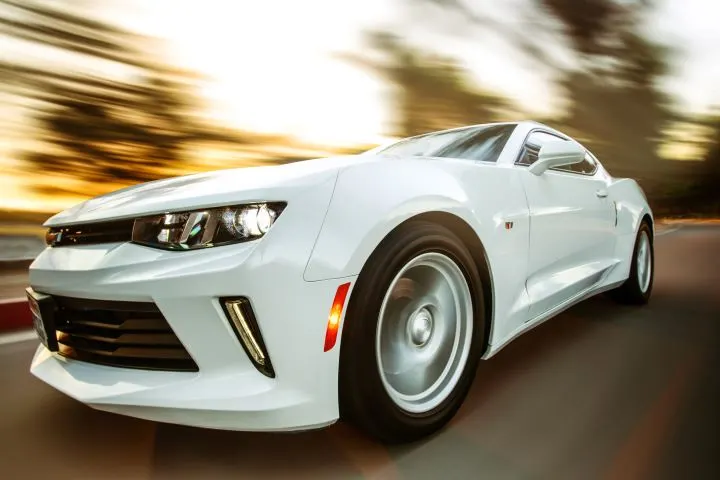
The J.D. Power forecast shows retail new-vehicle consumer spending is reaching a record for March.
Pexels/Jesse Zheng
New-vehicle sales kept rising this month though incentive spending hasn’t, as both consumers and retailers try to head off trade tariffs’ effects.
J.D. Power’s March sales forecast puts total sales up 10% year-over-year to 1.5 million and retail sales up 13% to about 1.3 million for the sixth straight month of retail volume growth.
Though inventories are also up, incentive spending as a percentage of average manufacturer’s suggested retail price is essentially flat year-over-year at 6%, J.D. Power estimates. But month-over-month, average incentive spend fell $102.
“While the tariff situation remains both fluid and uncertain, the prospect of tariffs is already beginning to affect the industry,” said Thomas King, president of J.D. Power’s data and analytics division.
“Although the magnitude of these effects is currently modest, they do present a preview of potential disruption as manufacturers, dealers and consumers prepare for uncertainty in the coming weeks and months.”
Auto dealer profit, though down from a year ago, is up month-over-month, according to the report, total profit per unit $2,212, down 8% year-over-year but up $54 from February. Still, aggregate profit per unit is forecast at $2.6 billion this month, about flat year-over-year.
“The fact that discounts are not increasing materially, even as inventories rise, is consistent with emerging expectations of future tariff-related price increases,” King said.
The full retail picture shows consumers are shelling out more money for new cars than ever before, said J.D. Power, which finds that the average retail transaction price is up $637 year-over-year to about $44,850, or about $54 billion in spending as a group, up about 10% and the biggest spend for March in history.
DIG DEEPER: New-Vehicle Loans Pinch Hard
Originally posted on Auto Dealer Today
More Sales

September Payments Reach New Heights
Despite lower interest rates and longer loan terms, the average new-vehicle monthly payment continues to climb, and transaction prices remain high.
Read More →
Used Lots Getting the Business
Many consumers are seeking out the units to save money, and the demand – higher in July than normal – is keeping supply limited and prices up.
Read More →
Two Kinds of Agents and the 5 Ps That Separate Them
Follow these key guidelines to distinguish your agency from competitors by adding more value to your dealer clients' businesses.
Read More →
Positive Equity Reaches Record High
Mainstream vehicle owners who bought a car seven years ago are likely to have positive equity when trading in for a new vehicle, according to second-quarter Edmunds data.
Read More →
Used Market Stabilizes
The Carfax Used Car Index noted a major drop in used-vehicle price increases in July after several months of hikes.
Read More →
July Auto Sales Simmer
Deliveries were up modestly from a year ago despite still-high prices as OEMs offered more incentives and loan rates eased somewhat.
Read More →
Used Sales Hit Summer Drag
The vacation season, combined with high prices, has dented deliveries and added to inventories, though supply is still slim enough to keep listings elevated.
Read More →
June Automotive Boon?
A forecast for this month’s new-vehicle sales tells a familiar 2026 story: Year-over-year comparisons must be made in light of last year’s aberrations.
Read More →
Affordable New Cars a Thing of the Past
More than one out of five new vehicles sell for more than $60,000, according to Edmunds. That's up 7% compared to prepandemic 2019.
Read More →
Legacy Automakers Risk Falling Behind
As legacy automakers, mostly in the U.S. and Japan, have revised their 2030 electric-vehicle sales targets and shifted to a hybrid focus, they risk falling behind new market leaders.
Read More →