



Jaguar Land Rover Reports Profit for Q3 of its Fiscal Year
The company reported a profit before tax of $326 million for the quarter ending in December.

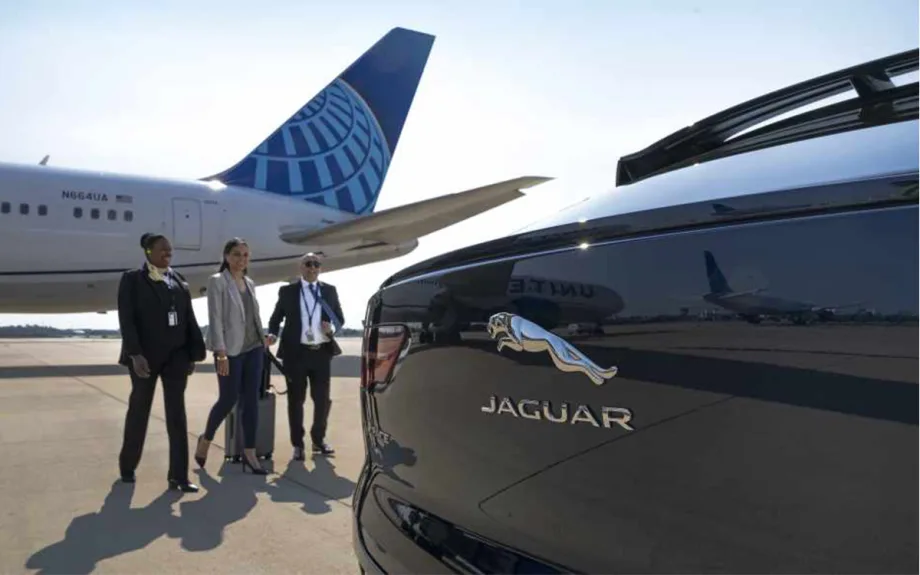
The company reported a profit before tax of $326 million for the quarter ending in December.
IMAGE: Jaguar
Jaguar Land Rover reported profit before tax of £265 million ($326 million) for the quarter ending in December, compared to an £9 million shortfall in 2021, Indian parent Tata Motors Ltd. reported.
The automaker attributes the gain to nearly double the sales of the Range Rover and Range Rover Sport models and positive currency effects.
“JLR has returned to profit as chip shortages eased in the quarter and production and wholesales increased,” Adrian Mardell, JLR’s interim CEO, said in a press release. Mardell took over as CEO when Thierry Bollore, who led the company for less than two years, announced his departure in November.
The manufacturer noted that semiconductor shortages crippled production across the auto industry for much of 2022. JLR reported it might miss its target of becoming net-debt free by 2024 because of continued supply shortages, which come amid record vehicle orders of 215,000.
JLR also announced that its Solihull plant in the UK will manufacture fully electric Jaguar models alongside Range Rover models by 2025.
JLR reported it expects to achieve positive Ebit margin and free cash flow in the fiscal fourth quarter with wholesales of 80,000 units or more. The cost-cutting program is expected to deliver over £1 billion in improvements in 2023 to help soften inflation.
Tata Motors CFO P.B. Balaji reported he is “cautiously optimistic,” noting there is still a shortage of semiconductor supplies at JLR.
JLR’s wholesales jumped 15% in the third quarter of its fiscal year, to 79,591 vehicles. Wholesale volumes in China were hit by Covid restrictions over the year, with sales falling 13% from the previous quarter. The situation is expected to improve now that China has lifted these restrictions.
Parent-company Tata reported a net income of 29.6 billion rupees ($363 million) in the third quarter, compared to a 15.2 billion rupee loss in 2021.
Tata Motors plans to invest $2.2 billion in electric vehicles over five years with the company’s EV business well-funded, Balaji reported.
Originally posted on Auto Dealer Today
More Sales

September Payments Reach New Heights
Despite lower interest rates and longer loan terms, the average new-vehicle monthly payment continues to climb, and transaction prices remain high.
Read More →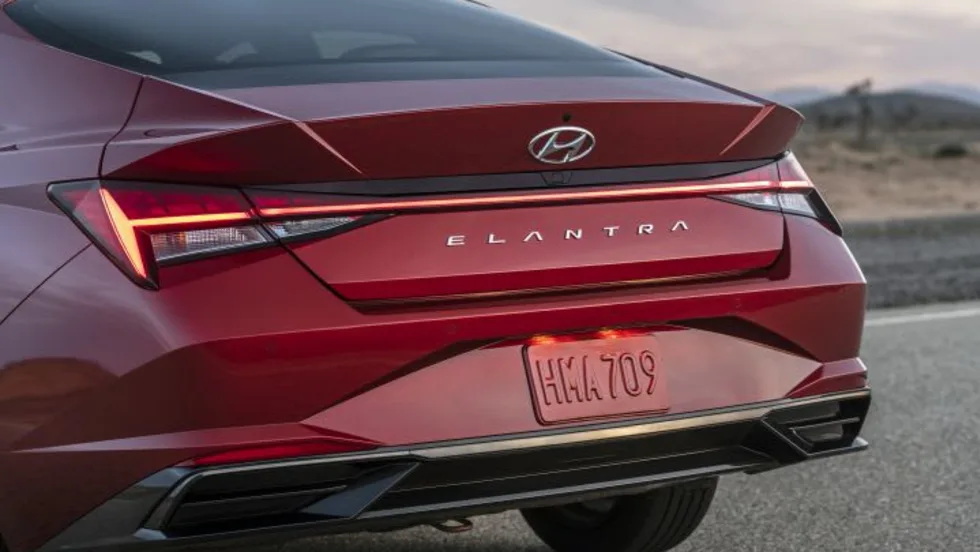
Used Lots Getting the Business
Many consumers are seeking out the units to save money, and the demand – higher in July than normal – is keeping supply limited and prices up.
Read More →
Two Kinds of Agents and the 5 Ps That Separate Them
Follow these key guidelines to distinguish your agency from competitors by adding more value to your dealer clients' businesses.
Read More →
Positive Equity Reaches Record High
Mainstream vehicle owners who bought a car seven years ago are likely to have positive equity when trading in for a new vehicle, according to second-quarter Edmunds data.
Read More →
Used Market Stabilizes
The Carfax Used Car Index noted a major drop in used-vehicle price increases in July after several months of hikes.
Read More →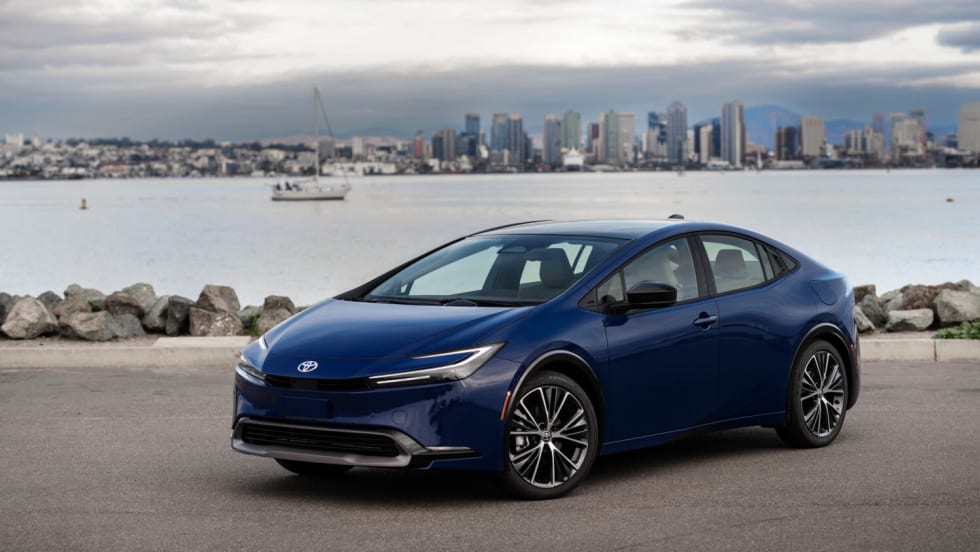
July Auto Sales Simmer
Deliveries were up modestly from a year ago despite still-high prices as OEMs offered more incentives and loan rates eased somewhat.
Read More →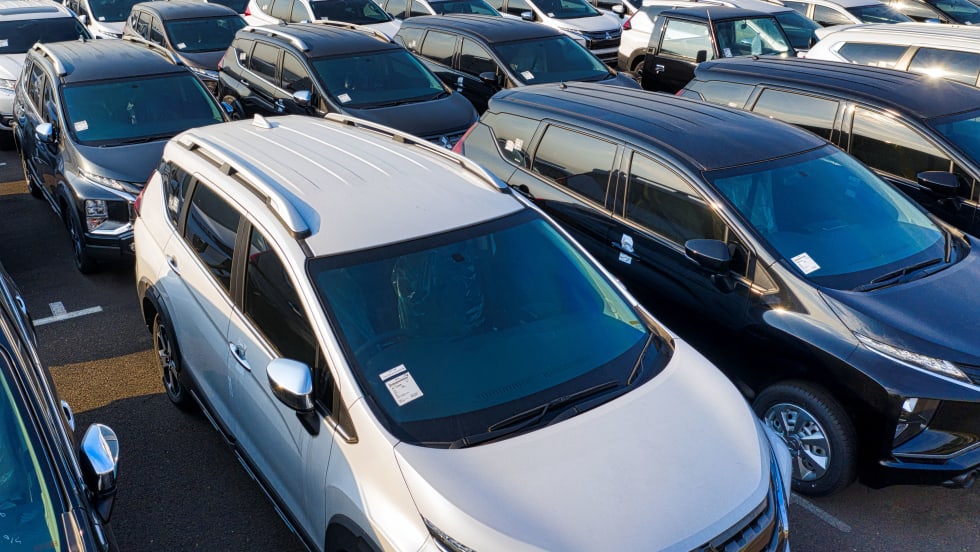
Used Sales Hit Summer Drag
The vacation season, combined with high prices, has dented deliveries and added to inventories, though supply is still slim enough to keep listings elevated.
Read More →
June Automotive Boon?
A forecast for this month’s new-vehicle sales tells a familiar 2026 story: Year-over-year comparisons must be made in light of last year’s aberrations.
Read More →
Affordable New Cars a Thing of the Past
More than one out of five new vehicles sell for more than $60,000, according to Edmunds. That's up 7% compared to prepandemic 2019.
Read More →
Legacy Automakers Risk Falling Behind
As legacy automakers, mostly in the U.S. and Japan, have revised their 2030 electric-vehicle sales targets and shifted to a hybrid focus, they risk falling behind new market leaders.
Read More →