



GM Invests in New EVs and ICE Parts Distribution
Investments in replacement parts distribution centers follow double-digit increases in aftermarket parts sales.

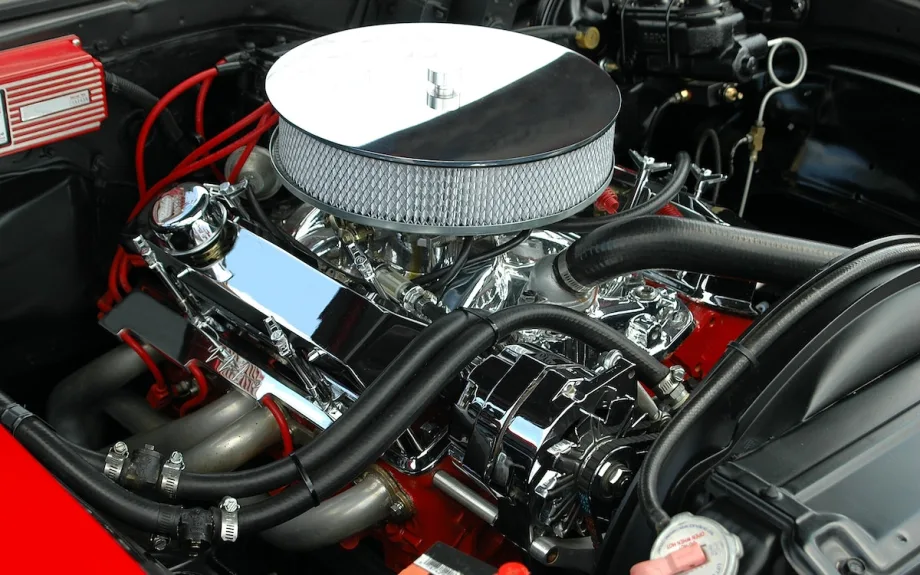
More consumers are repairing their vehicles rather than replacing them, leading to an uptick in aftermarket parts sales.
Hebert Santos
General Motors is rapidly heading toward an electric-vehicle future and witnessing a big increase in EV sales, even after stopping production of the Chevrolet Bolt, its initial electric offering.
The automaker is also investing in distribution centers for replacement parts intended for internal-combustion engines. GM's sales of after-market parts have grown by double digits each year since the start of the Covid pandemic. Now the company is sinking more than $100 million into modernizing its parts processing center in Burton, Mich.
Microchip shortages and supply-chain issues have left many Americans unable to purchase a new vehicle. That had led to robust sales of after-market and GM "original equipment" parts. Many consumers are investing in parts to keep their existing vehicles going.
GM plans to install new automated storage, retrieval and loading systems and a conveyor system to move parts to employee workstations at the Burton facility, which opened in 2019. The facility, the primary distribution site for GM Genuine and ACDelco parts, employs around 1,460 people and ships approximately 15,000 parts orders daily.
GM also invested in technology upgrades in two other major parts centers, in Ypsilanti, Mich., and Memphis, Tenn. Across the globe, the company has 88 parts-distribution facilities, plus 12 regional or function-focused product distribution centers in key markets within the U.S..
GM’s after-market parts business also may grow as people resist EV vehicles. Many Americans remain wary of EVs and have concerns about their cost. As a result, they invest in parts and repairs to keep their ICE-powered vehicles running well as long as possible.
Originally posted on Auto Dealer Today
More Product & Technology
Computer Headaches on the Road
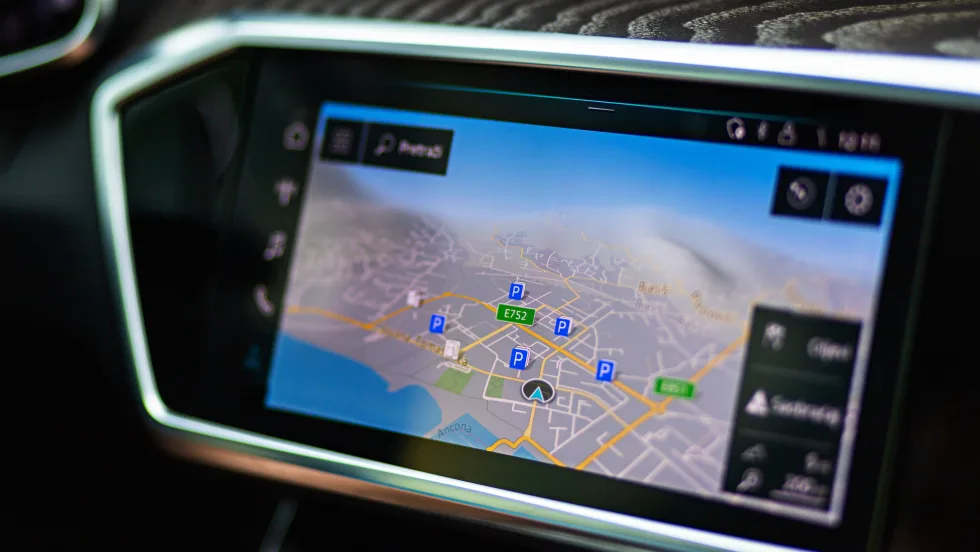
Consumers keep complaining about new cars’ infotainment tech, but are automakers listening? A recent survey shows regression except for mapping and speakers.
Read More →
Another Death Tied to Imported Air Bags
The Texas traffic fatality is the 11th federal regulators have connected to defective inflators imported from China. They urge that a certain population of used vehicles be inspected.
Read More →
Roadside Warnings Debut
Mazda works with AAA and a technology company to alert passersby to stranded vehicles from its lineup, for both parties’ safety.
Read More →
AI As Trainer?
This month, Agent Entrepreneur Editor Hannah Mitchell shares an artificial-intelligence development that could upend traditional dealership training.
Read More →
A Lingering Auto Tech Divide
Automakers still struggle to hit consumers’ sweet spot, hanging onto the despised touchscreen and adding other complex systems while simple, effective details hit the mark.
Read More →
AI, China and the Next Wave of Auto Retail Innovation
F&I sits at the center of the changes expected to sweep the industry in just the new few years as new players change the game.
Read More →
That Bot Can Do a Lot
Artificial intelligence was all the buzz at the 2026 Agent Summit. A panel of tech specialists broke through the noise to give agents guidance on steering dealer clients.
Read More →
Cyber F&I
Your dealer clients could only benefit from showcasing products on their websites along with vehicle inventory. Modern consumers expect to be informed and are more likely to buy products when they are.
Read More →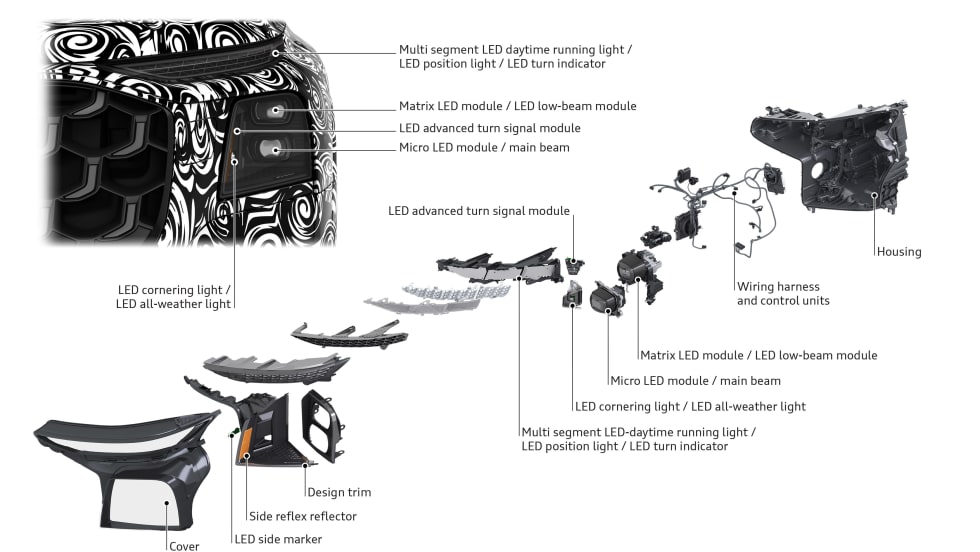
Road Glare to Drop a Notch?
Audi is preparing two SUV models for the American market with the automaker’s adaptive LED headlights. Its technology is designed to reduce brightness for other drivers, a growing complaint among U.S. motorists.
Read More →
AppOne Partners With RouteOne for E-Contracting Solution
By digitizing the entire contracting and funding process, the company says auto dealers can eliminate frustrating and disorganized manual processes.
Read More →