



GM and Ford Seek Permission to Deploy Autonomous Vehicles
GM and Ford seek exemptions to deploy a limited number of self-driving vehicles without human controls like steering wheels and brake pedals.

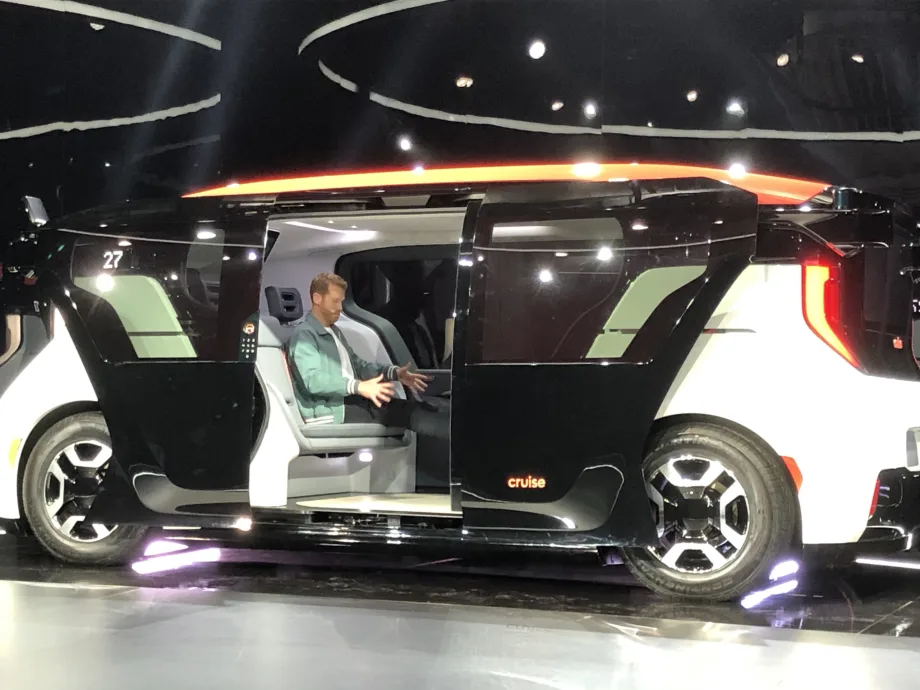
GM Origin
GM
GM and Ford are asking U.S. auto safety regulators to grant exemptions to be able to deploy a limited number of self-driving vehicles without human controls like steering wheels and brake pedals.
GM and its self-driving technology unit, Cruise, petitioned National Highway Traffic Safety Administration (NHTSA) in February for permission to deploy self-driving vehicles without steering wheels, mirrors, turn signals or windshield wipers.
Ford petitioned NHTSA in July 2021, to deploy a self-driving ride hailing and package delivery vehicle early in this decade. The automaker stressed that for its self-driving vehicles "having active driving controls and communications would introduce an unacceptable risk to safety."
NHTSA has published the separate petitions and opened them for public comment for 30 days.
The regulatory body has the authority to grant petitions that allow a limited number of vehicles to operate on U.S. roads without required human controls. The automakers want to deploy up to 2,500 vehicles a year, the maximum allowed under the law, for ride sharing and delivery services. Neither GM nor Ford seek approval to sell self-driving vehicles to consumers.
GM seeks to deploy the Origin, with automated doors and no steering wheels. The automaker stressed the vehicles will require passengers to buckle up before the autonomous ride.
Ford wants to deploy self-driving hybrid-electric vehicles that are "specifically designed and tailored to support mobility services such as ride sharing, ride hailing and package delivery."
According to a Ford spokesperson, the "petition is an important step toward helping create a regulatory path that allows autonomous technologies to mature over time, eliminating controls and displays that are only useful to human drivers."
The NHTSA will carefully examine each petition to keep safety a priority and to ensure access for people with disabilities, equity and the environment.
Originally posted on Auto Dealer Today
More Product & Technology
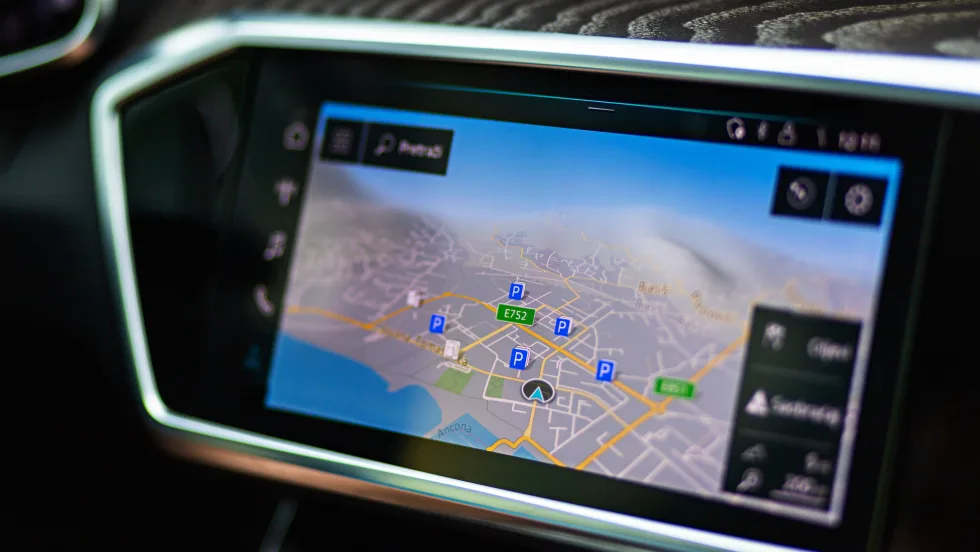
Computer Headaches on the Road
Consumers keep complaining about new cars’ infotainment tech, but are automakers listening? A recent survey shows regression except for mapping and speakers.
Read More →
Another Death Tied to Imported Air Bags
The Texas traffic fatality is the 11th federal regulators have connected to defective inflators imported from China. They urge that a certain population of used vehicles be inspected.
Read More →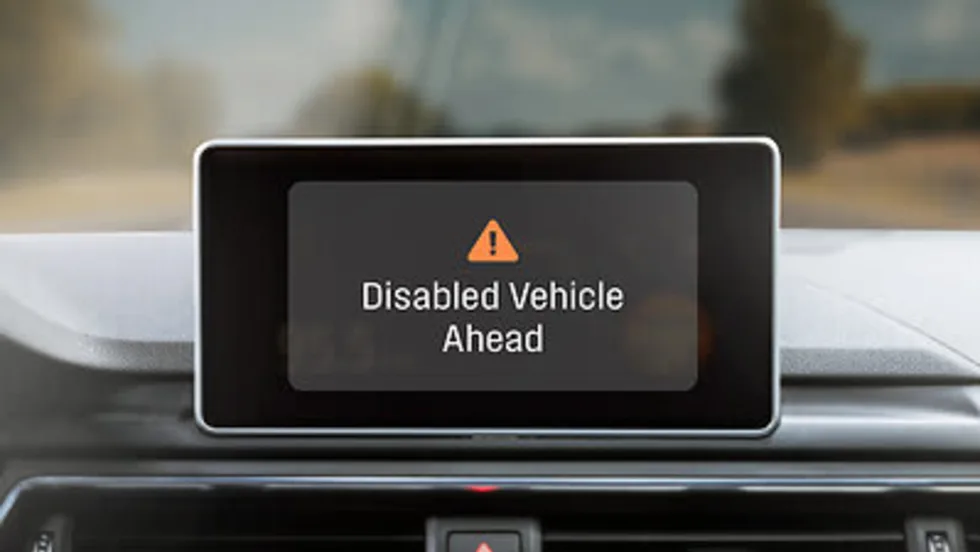
Roadside Warnings Debut
Mazda works with AAA and a technology company to alert passersby to stranded vehicles from its lineup, for both parties’ safety.
Read More →
AI As Trainer?
This month, Agent Entrepreneur Editor Hannah Mitchell shares an artificial-intelligence development that could upend traditional dealership training.
Read More →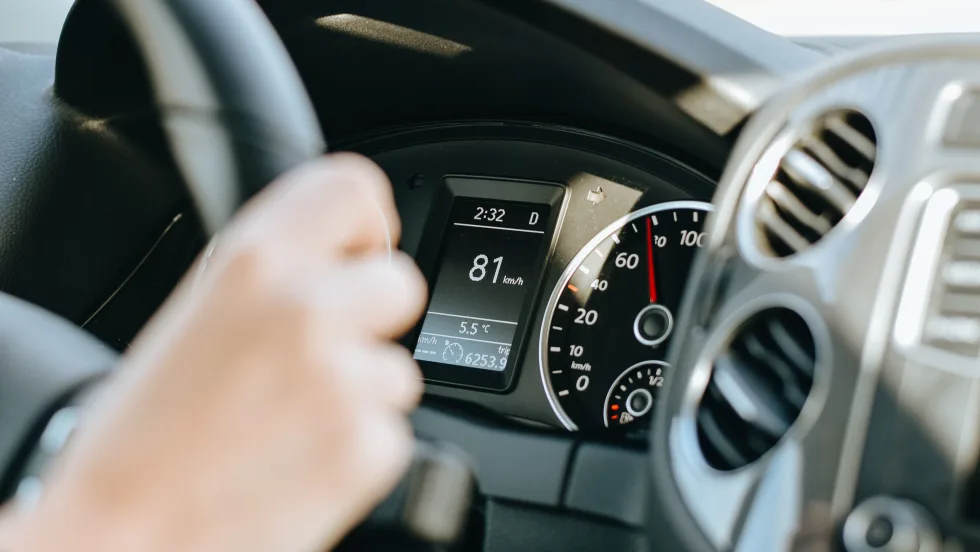
A Lingering Auto Tech Divide
Automakers still struggle to hit consumers’ sweet spot, hanging onto the despised touchscreen and adding other complex systems while simple, effective details hit the mark.
Read More →
AI, China and the Next Wave of Auto Retail Innovation
F&I sits at the center of the changes expected to sweep the industry in just the new few years as new players change the game.
Read More →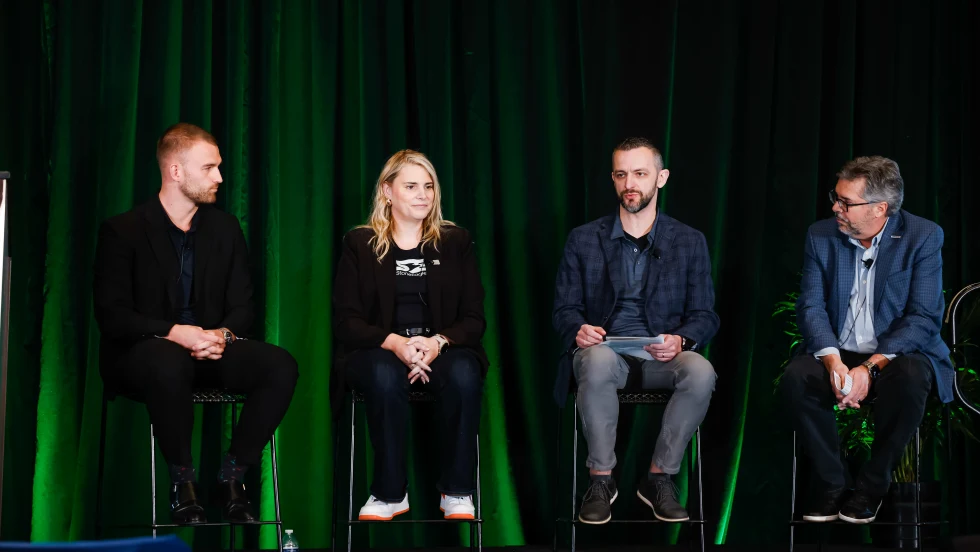
That Bot Can Do a Lot
Artificial intelligence was all the buzz at the 2026 Agent Summit. A panel of tech specialists broke through the noise to give agents guidance on steering dealer clients.
Read More →
Cyber F&I
Your dealer clients could only benefit from showcasing products on their websites along with vehicle inventory. Modern consumers expect to be informed and are more likely to buy products when they are.
Read More →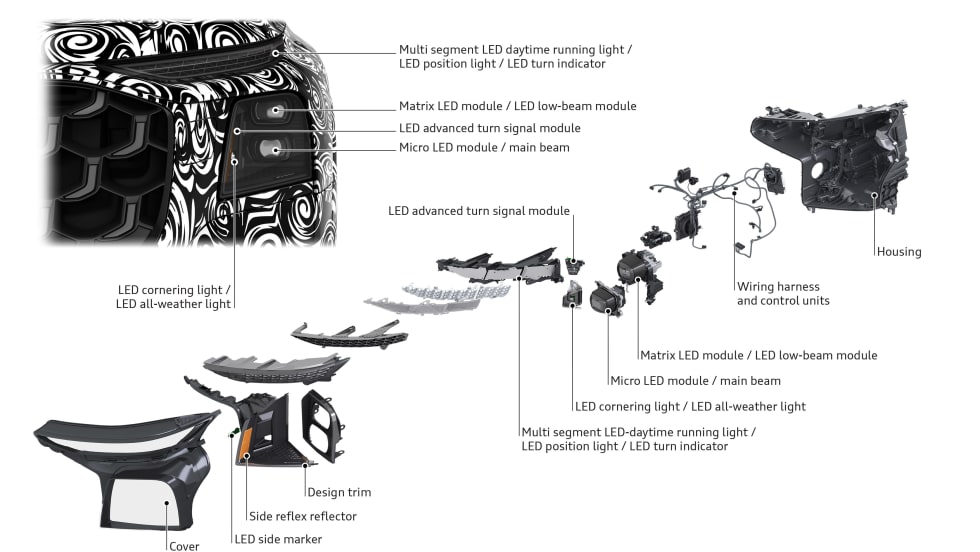
Road Glare to Drop a Notch?
Audi is preparing two SUV models for the American market with the automaker’s adaptive LED headlights. Its technology is designed to reduce brightness for other drivers, a growing complaint among U.S. motorists.
Read More →
AppOne Partners With RouteOne for E-Contracting Solution
By digitizing the entire contracting and funding process, the company says auto dealers can eliminate frustrating and disorganized manual processes.
Read More →