



Experian: Facing Higher Loan Amounts, Prime Buyers Go Used
More consumers in the prime and superprime credit tiers opted for used vehicles as concerns around affordability grew in the first quarter, according to the latest report from Experian.


More car buyers armed with high credit scores are defecting from the showroom to the used-car lot as the new-vehicle affordability gap grows, according to the latest figures from Experian.
Photo courtesy Experian
SCHAUMBURG, Ill. — More and more prime and superprime car shoppers in the market for their next vehicle are electing to buy used, according to new research from Experian. Findings from the Q1 2019 State of the Automotive Finance Market report show the percentage of prime (61.9%) and superprime (44.8%) consumers choosing used vehicles reached an all-time high.
This trend comes as questions around vehicle affordability continue to dominate industry conversations. The average loan amount for a new vehicle surpassed $32,000 in Q1 2019, while the average loan amount for a used vehicle was slightly above $20,000. Additionally, the average monthly payment was $554 for a new vehicle and $391 for used.
“While vehicle affordability continues to be top of mind for the industry, consumers are actively seeking ways to ensure they can afford the vehicle they purchase — a positive sign for all parties involved,” said Melinda Zabritski, Experian’s senior director of automotive financial solutions. “It’s important that lenders and dealers continue to monitor these trends so they can work with car shoppers to help them find the right vehicle with the right financing options.”
The other side of the affordability conversation has focused on delinquency trends. In Q1 2019, 30-day delinquencies saw an increase to 1.98%, up from 1.9% a year ago. That said, banks, credit unions and finance companies all saw slight decreases in 30-day delinquency rates, and 60-day delinquencies remained relatively stable at 0.68% year-over-year. It’s important to keep in mind that the 30-day delinquency rate is still below the highwater mark of 2.81% set in Q1 2009.
“The delinquency rate is certainly a trend worth keeping an eye on, but it’s important to consider it within the larger historical context,” Zabritski said. “Other factors, like subprime originations remaining at historic lows, help paint the full picture of the industry.”
Originally posted on F&I and Showroom
More Industry

Auto Legends to Hall of Fame
Les Kelley of Kelley Blue Book fame and Rodney O’Neal, a transformative Delphi executive, are among a new class of five industry honorees.
Read More →
Powertrain Attitudes Divided
Common misconceptions shape car buyers’ attitudes toward the different options, giving dealerships an opportunity to educate and build trust with customers.
Read More →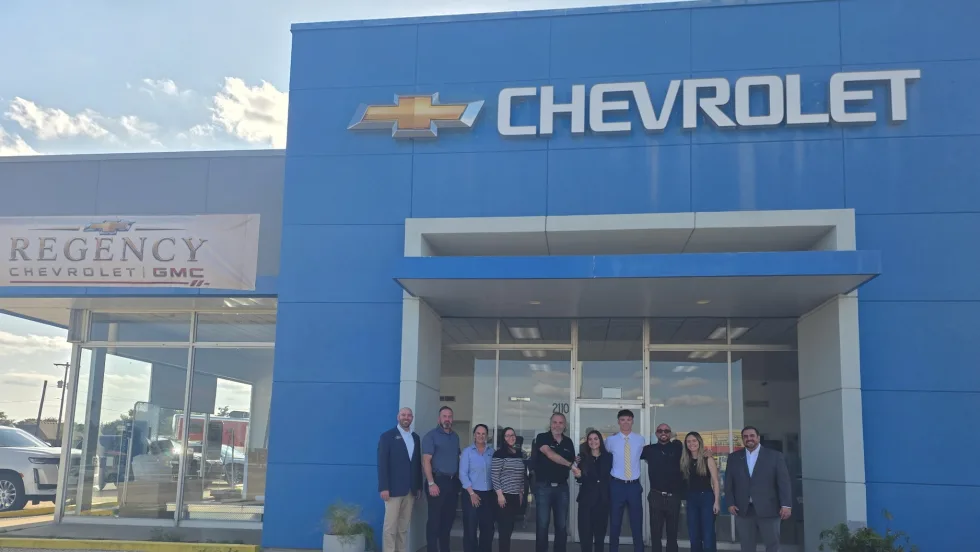
Auto Group Exits U.S. Market
Sibling duo Gesell and Johnny Lillard enter Texas franchised automotive retail with the purchase of Solana Motors in Brady, Texas.
Read More →
California Calling? What's Up With the State's New CARS Act?
Should auto dealers outside of California be concerned about its new price-transparency law? Yes, and you can guide them in the right direction.
Read More →
Tennessee Transaction Latest in Buy-Sell Flurry
Four stores move from a longtime local family business to one of the country’s biggest automotive groups as part of the industry’s continued consolidation.
Read More →
SUV Joins Safety Rankings
Thanks to a seat belt redesign, the Nissan Kicks has earned a Top Safety Pick award from the Insurance Institute for Highway Safety.
Read More →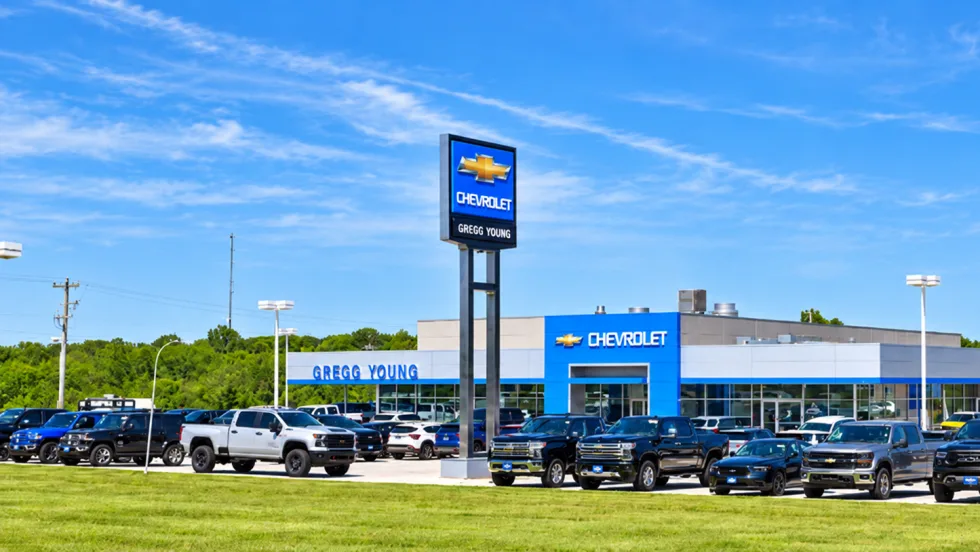
Nebraska Rooftop Changes Hands
The Gregg Young Automotive Group has sold its second dealership to Janssen Auto Group, both in Plattsmouth, Neb.
Read More →
Penske Auto Group Deal a Record
The deal to take the dealership and transportation services company private sets a new pace for industry buy-sell transactions.
Read More →
War Toll a Damper on Used Auto Prices
Cox Automotive found wholesale depreciation to be elevated in September amid high fuel prices and this year's unusual hurricane season.
Read More →
Bridge the Maintenance Gap
With many drivers missing recommended maintenance, service departments offering transparency and efficiency have a better chance of reaching financially strained consumers.
Read More →