



EV Apps Figure Largely in Buying, Ownership Satisfaction
Survey shows brands and their dealers have opportunity to leverage the value consumers place on the feature.


The percentage of EV owners who use a brand’s mobile app rose two percentage points year-over-year to 90%.
Pexels/Tim Samuel
A survey of electric-vehicle owners points to the value consumers place on automakers’ EV mobile applications and how brands and dealers can do a better job of seizing that opportunity.
It found that just over a third of non-Tesla EV owners said an app had at least a moderate effect on their decision to buy, compared to almost two-thirds of Tesla owners. The disparity was similar when it came to the apps having an outsize effect on shopping decisions.
“This suggests that OEMs must do a better job of communicating the availability and feature content of their smartphone apps to help attract interested EV shoppers,” J.D. Power said in a summary of its findings.
The percentage of EV owners who use a brand’s mobile app rose two percentage points year-over-year to 90%, according to the survey, and 67% use them at least half the time they spend driving.
Brands are doing a good job of providing app features consumers want and use, according to the survey. Those include battery charge level monitoring, and more than 70% of EV owners say they want 20 of the most commonly provided 25 features.
Meanwhile, dealerships are doing a better job of educating buyers about the apps, the survey found. Nearly three-fourths of owners, up two percentage points year-over-year, indicated their dealership helped them with their apps.
App connections problems were flat year-over-year, though reported problems with Tesla’s app rose, which J.D. Power said may indicate greater usage could be straining capacity.
Originally posted on Auto Dealer Today
More Product & Technology
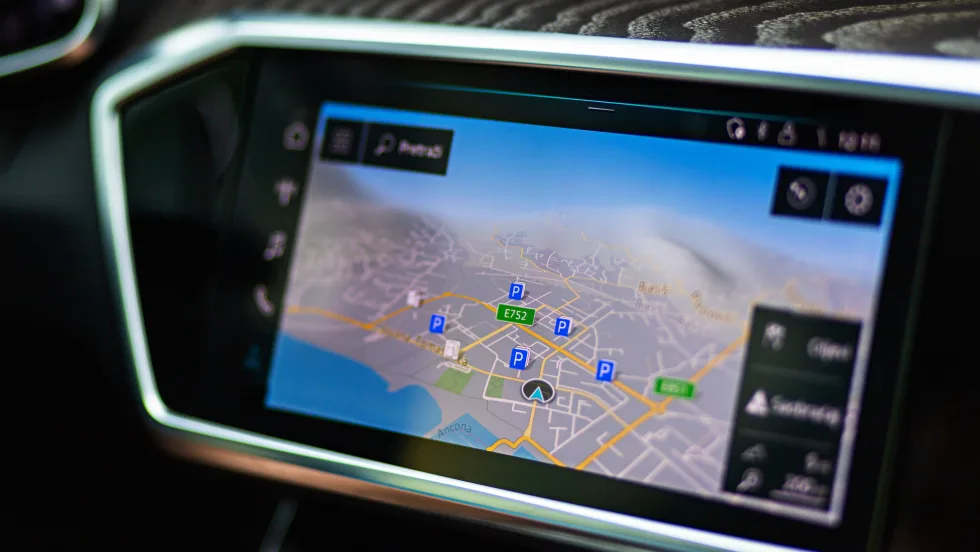
Computer Headaches on the Road
Consumers keep complaining about new cars’ infotainment tech, but are automakers listening? A recent survey shows regression except for mapping and speakers.
Read More →
Another Death Tied to Imported Air Bags
The Texas traffic fatality is the 11th federal regulators have connected to defective inflators imported from China. They urge that a certain population of used vehicles be inspected.
Read More →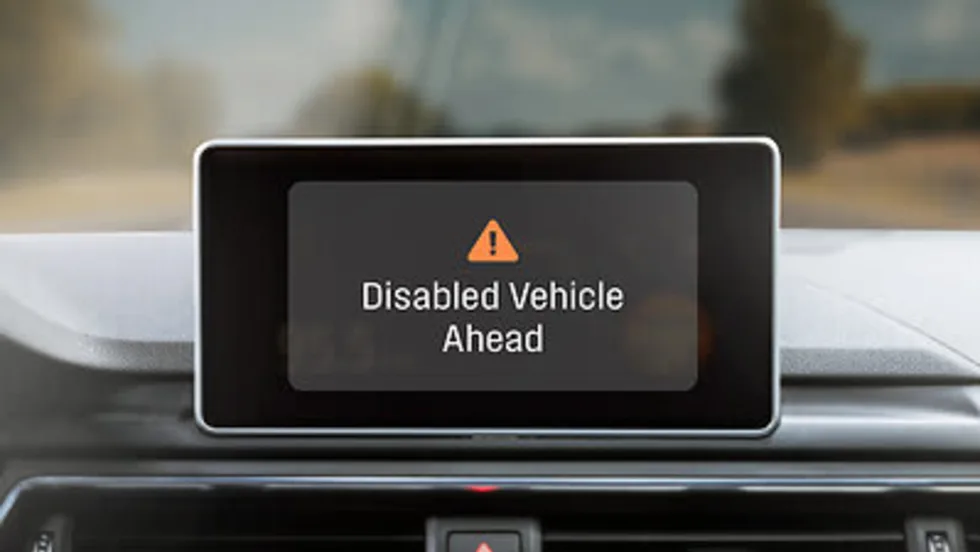
Roadside Warnings Debut
Mazda works with AAA and a technology company to alert passersby to stranded vehicles from its lineup, for both parties’ safety.
Read More →
AI As Trainer?
This month, Agent Entrepreneur Editor Hannah Mitchell shares an artificial-intelligence development that could upend traditional dealership training.
Read More →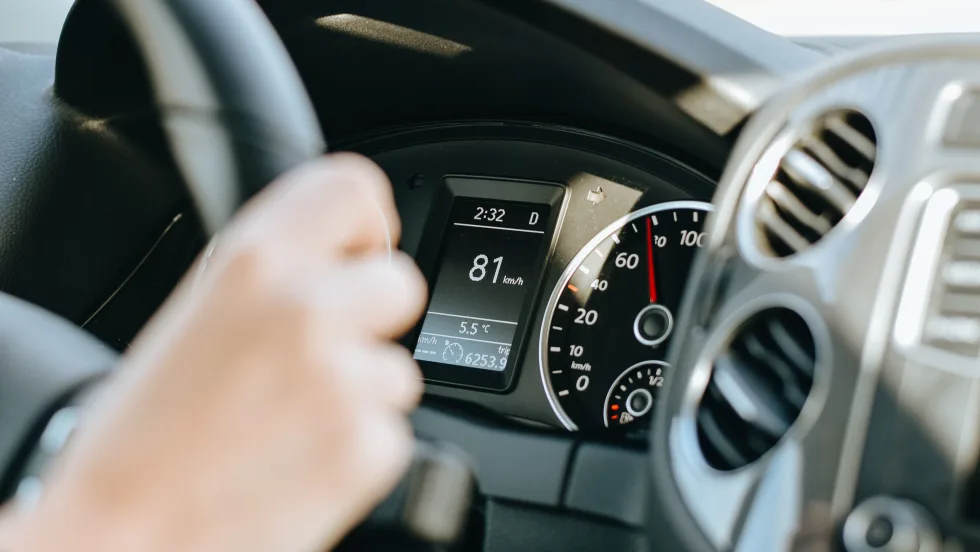
A Lingering Auto Tech Divide
Automakers still struggle to hit consumers’ sweet spot, hanging onto the despised touchscreen and adding other complex systems while simple, effective details hit the mark.
Read More →
AI, China and the Next Wave of Auto Retail Innovation
F&I sits at the center of the changes expected to sweep the industry in just the new few years as new players change the game.
Read More →
That Bot Can Do a Lot
Artificial intelligence was all the buzz at the 2026 Agent Summit. A panel of tech specialists broke through the noise to give agents guidance on steering dealer clients.
Read More →
Cyber F&I
Your dealer clients could only benefit from showcasing products on their websites along with vehicle inventory. Modern consumers expect to be informed and are more likely to buy products when they are.
Read More →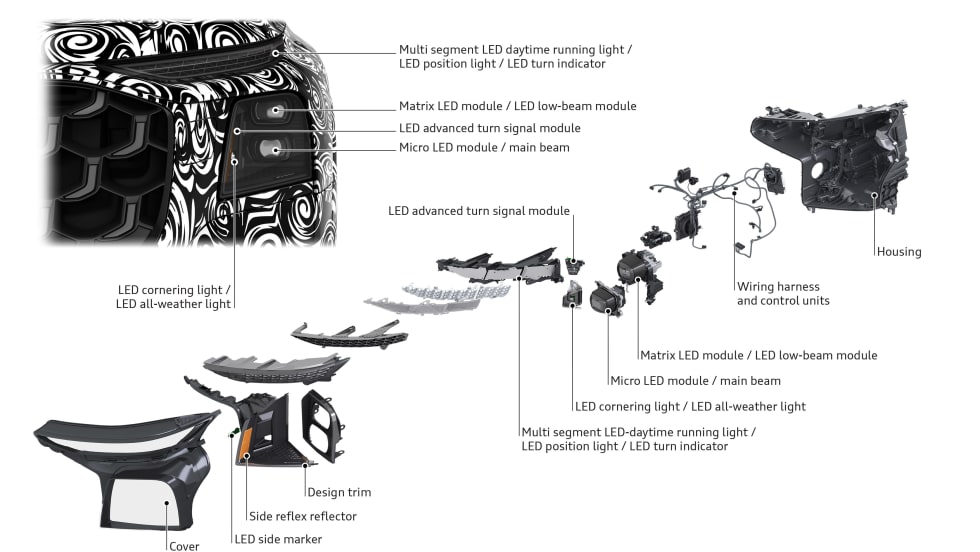
Road Glare to Drop a Notch?
Audi is preparing two SUV models for the American market with the automaker’s adaptive LED headlights. Its technology is designed to reduce brightness for other drivers, a growing complaint among U.S. motorists.
Read More →
AppOne Partners With RouteOne for E-Contracting Solution
By digitizing the entire contracting and funding process, the company says auto dealers can eliminate frustrating and disorganized manual processes.
Read More →