



Cox Automotive February Forecast: Tight Inventory Keeps U.S. Auto Sales From Gaining Traction
New-vehicle sales volume has been averaging just over 1.05 million each month since last August, and this February is not expected to buck the trend.


New-vehicle sales volume has been averaging just over 1.05 million each month since last August, and this February is not expected to buck the trend.
COX AUTOMOTIVE – New-vehicle sales in February are expected to reach 1.08 million units, a drop of 11% compared to February 2021, according to a forecast released by Cox Automotive. The February pace of U.S. auto sales, or seasonally adjusted annual rate (SAAR), is forecast to show a market still significantly constrained by lack of new-vehicle supply and finish near 14.4 million, down from January’s 15.0 pace, and down from last February’s 15.9 million level. There are 24 selling days in February, the same as last year, so the decline in pace is not due to seasonal adjustments, but rather a tight supply situation that continues to hold back the market.
New-vehicle sales volume has been averaging just over 1.05 million each month since last August, and this February is not expected to buck the trend. Inventory levels are not showing significant improvement. New-vehicle inventory is now 62% below last year, and vAuto Available Inventory data show that available supply declined last week after rising for many weeks.
“The market is heading into a very interesting period,” said Charlie Chesbrough, senior economist at Cox Automotive. “With low supply and low sales volume, and no tangible market change expected, a big decrease in the sales pace — a sizable drop in the SAAR — is likely in the offing for next month. In the winter, when low sales volumes are expected, seasonal adjustments can result in a relatively strong SAAR, as we have in January and February. But come spring, when sales are expected to be much higher, the SAAR will look particularly weak. Without a big jump in inventory, March’s SAAR is going to show a significant decline.”
Originally posted on F&I and Showroom
More Sales

Used Lots Getting the Business
Many consumers are seeking out the units to save money, and the demand – higher in July than normal – is keeping supply limited and prices up.
Read More →
Two Kinds of Agents and the 5 Ps That Separate Them
Follow these key guidelines to distinguish your agency from competitors by adding more value to your dealer clients' businesses.
Read More →
Positive Equity Reaches Record High
Mainstream vehicle owners who bought a car seven years ago are likely to have positive equity when trading in for a new vehicle, according to second-quarter Edmunds data.
Read More →
Used Market Stabilizes
The Carfax Used Car Index noted a major drop in used-vehicle price increases in July after several months of hikes.
Read More →
July Auto Sales Simmer
Deliveries were up modestly from a year ago despite still-high prices as OEMs offered more incentives and loan rates eased somewhat.
Read More →
Used Sales Hit Summer Drag
The vacation season, combined with high prices, has dented deliveries and added to inventories, though supply is still slim enough to keep listings elevated.
Read More →
June Automotive Boon?
A forecast for this month’s new-vehicle sales tells a familiar 2026 story: Year-over-year comparisons must be made in light of last year’s aberrations.
Read More →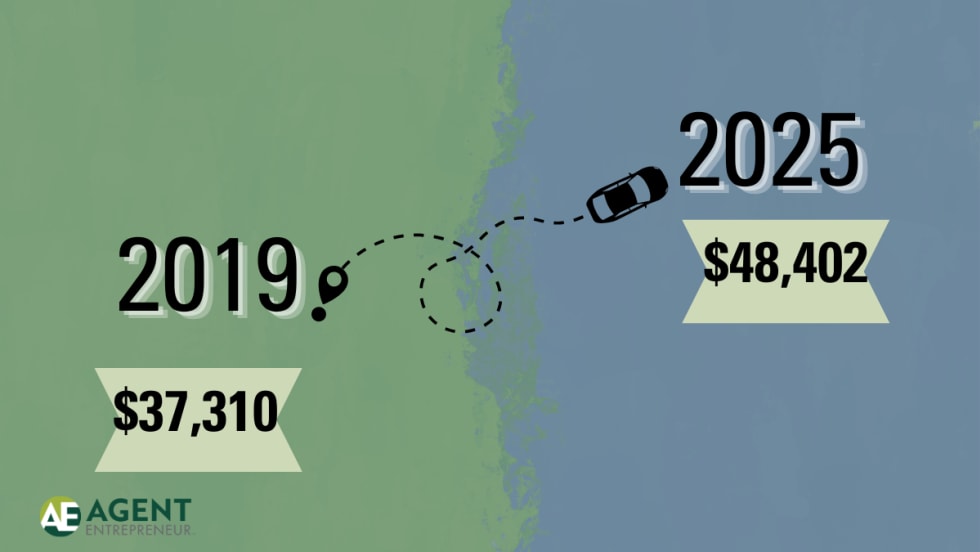
Affordable New Cars a Thing of the Past
More than one out of five new vehicles sell for more than $60,000, according to Edmunds. That's up 7% compared to prepandemic 2019.
Read More →
Legacy Automakers Risk Falling Behind
As legacy automakers, mostly in the U.S. and Japan, have revised their 2030 electric-vehicle sales targets and shifted to a hybrid focus, they risk falling behind new market leaders.
Read More →
New Cars a Tad More Affordable
May averages show that combined circumstances gave auto consumers slightly better buying power for the month, though average prices were up year-over-year.
Read More →