



Cox Automotive: 10 Takeaways from U.S. Auto Sales in Q1 2022
The team at Kelley Blue Book has assembled two broad reports from the first quarter: One is a look across industry-wide U.S. sales in Q1, the other a narrow review of electrified vehicle sales in the U.S., the combined sales of hybrids, plug-in hybrids and EVs.


The team at Kelley Blue Book has assembled two broad reports from the first quarter: One is a look across industry-wide U.S. sales in Q1, the other a narrow review of electrified vehicle sales in the U.S., the combined sales of hybrids, plug-in hybrids and EVs.
COX AUTOMOTIVE – New-vehicle sales last quarter came in at 3.3 million, according to the latest Kelley Blue Book counts, a drop from 3.9 million in the first quarter of 2021. Sales in the quarter were down 15.7% year over year, but as the Cox Automotive Industry Insights team has repeatedly stated: There is NOT a demand problem in the market right now.
There are plenty of interested—and able—buyers out there, despite record high transaction prices. There is growing interest for electric vehicles (EVs) too, and growing availability of good product. EV sales grew 76% year over year in Q1, in line with our January prediction for EV growth to outpace industry growth in 2022. EV share jumped from 2.5% of sales in Q1 2021 to 5.2% in Q1 2022.
Our team at Kelley Blue Book has assembled two broad reports from the first quarter. One is a look across industry-wide U.S. sales in Q1, the other a narrow review of electrified vehicle sales in the U.S., the combined sales of hybrids, plug-in hybrids and EVs. Looking at the numbers, here are 10 takeaways from the quarter.
Toyota is still on top. After outpacing the industry in 2021, the Toyota-Lexus team outsold GM again in Q1 2021. It was closer than forecast, though, and even Toyota executives will admit they do not have the capacity or product line to maintain the lead. Look for GM to regain its top-spot in Q2.
EVs sales continue to increase rapidly. Sales in Q1 of 173,561 were a record for any quarter, and an increase of 76% from Q1 2021. There were 32 EV models with at least 1 sale in Q1, an increase from 18 models last year.
In a down market, only four established brands delivered year-over-year sale gains last quarter: BMW, Genesis, Mini, and Tesla.
Ford’s F-Series is still king, as it always seems to be. With countless models and configurations, the full-size pickup from Ford was #1 in Q1, with sales of 140,701. An all-electric F-150 is officially launching in Q2, stretching an already large vehicle line even further. It’s hard to imagine any scenario where F-Series is not king, but few of us thought Toyota would outpace GM.
Fiat sold only 340 vehicles in Q1, and was beat by newcomers Lucid and Rivian.
Luxury brands grabbed more share in Q1, at 16.1% of total sales, up from 15.6% a year ago. Higher luxury share is one reason industry-wide transaction prices remain elevated—the average luxury vehicle sold for $65,123 in March.
Tesla is still the dominate player in the EV market—very dominant. In Q1, Tesla’s share of the EV segment rose to 75%, up from 70% in Q1 2021. The two best-selling EVs in the U.S. are the Model 3 and the Model Y. Combined, those two models make up nearly 70% of all EVs sales.
Small beats Bigger, but not Biggest. The hot new Ford Maverick compact pickup outsold the Ford Ranger midsize pickup in Q1. But Maverick is a long, long way from catching the biggest pickup from Ford, the F-Series.
In luxury, new is important. The new Mercedes-Benz S-Class had a stellar quarter, with sales up more than three-fold from 2021. The S-Class commanded 42% of the high-end luxury car segment last quarter with 3,800 sold. Average price for an S-Class: North of $130,000.
In the market today, three segments matter: Compact SUV, Full-Size Pickups, Mid-Size SUVs. Combined, those three segments account for 49% of U.S. vehicle sales.
Originally posted on Auto Dealer Today
More Sales

September Payments Reach New Heights
Despite lower interest rates and longer loan terms, the average new-vehicle monthly payment continues to climb, and transaction prices remain high.
Read More →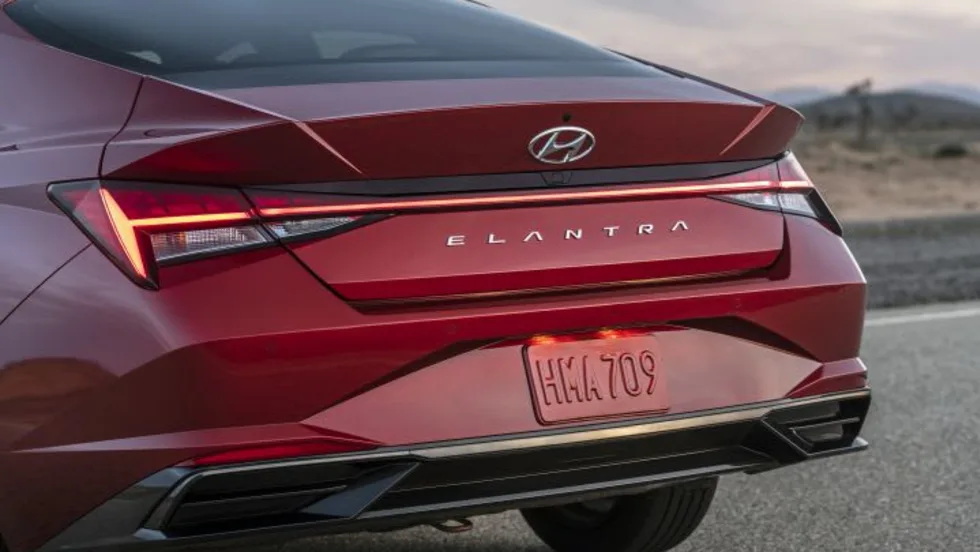
Used Lots Getting the Business
Many consumers are seeking out the units to save money, and the demand – higher in July than normal – is keeping supply limited and prices up.
Read More →
Two Kinds of Agents and the 5 Ps That Separate Them
Follow these key guidelines to distinguish your agency from competitors by adding more value to your dealer clients' businesses.
Read More →
Positive Equity Reaches Record High
Mainstream vehicle owners who bought a car seven years ago are likely to have positive equity when trading in for a new vehicle, according to second-quarter Edmunds data.
Read More →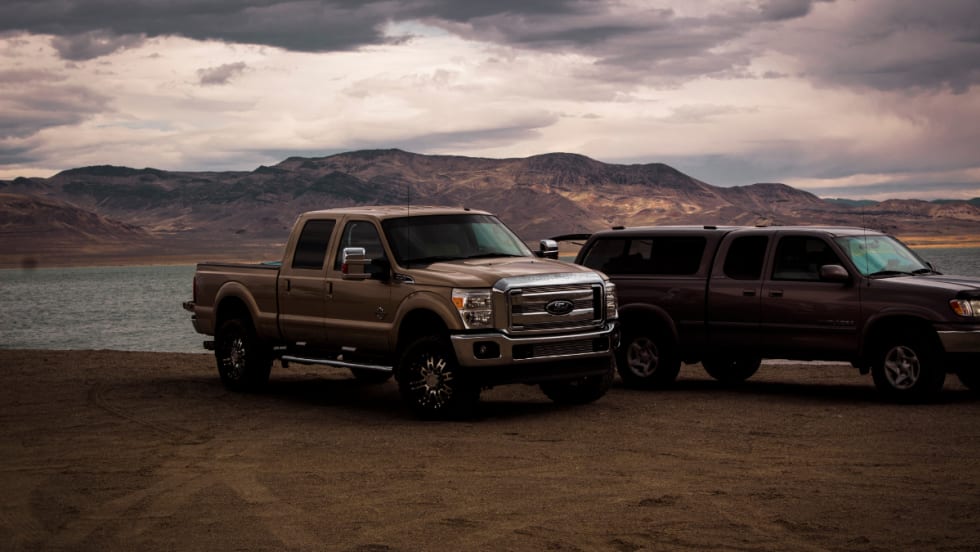
Used Market Stabilizes
The Carfax Used Car Index noted a major drop in used-vehicle price increases in July after several months of hikes.
Read More →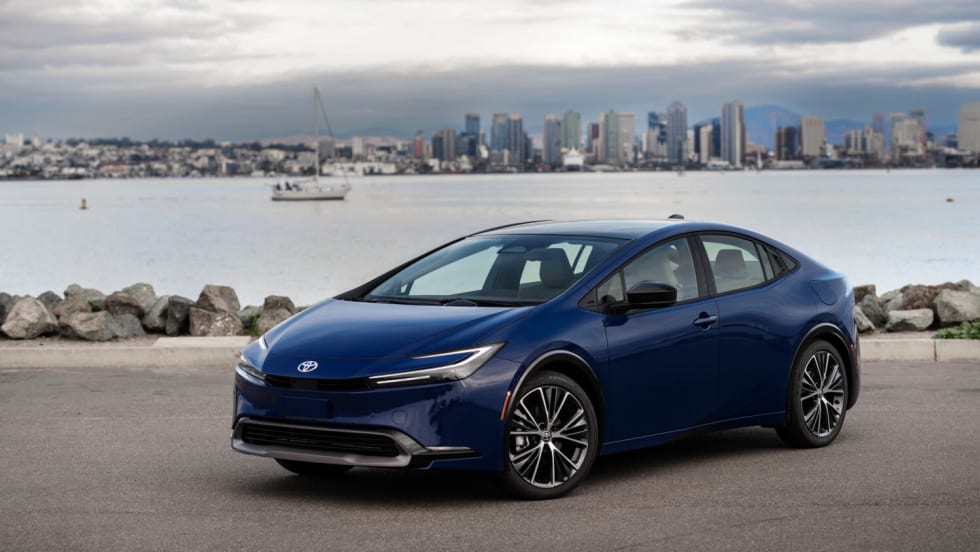
July Auto Sales Simmer
Deliveries were up modestly from a year ago despite still-high prices as OEMs offered more incentives and loan rates eased somewhat.
Read More →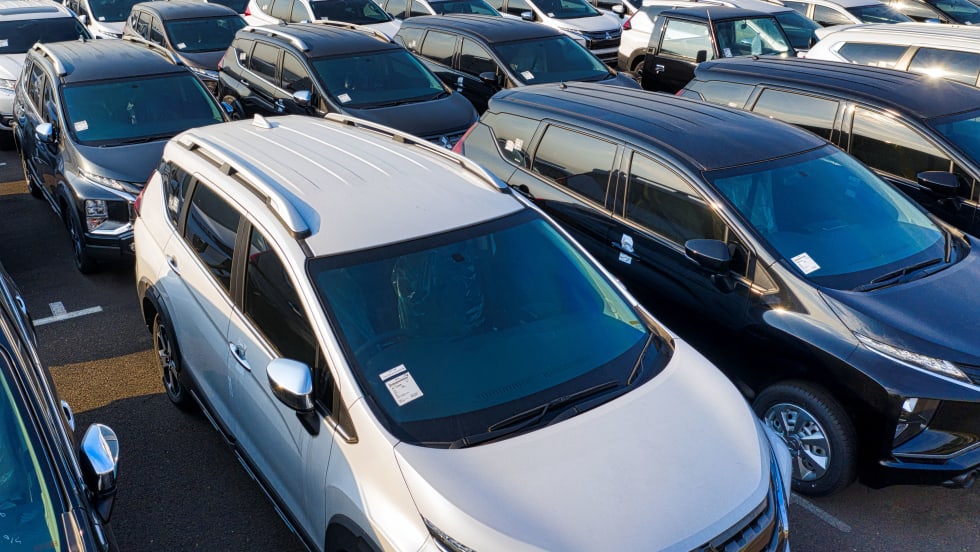
Used Sales Hit Summer Drag
The vacation season, combined with high prices, has dented deliveries and added to inventories, though supply is still slim enough to keep listings elevated.
Read More →
June Automotive Boon?
A forecast for this month’s new-vehicle sales tells a familiar 2026 story: Year-over-year comparisons must be made in light of last year’s aberrations.
Read More →
Affordable New Cars a Thing of the Past
More than one out of five new vehicles sell for more than $60,000, according to Edmunds. That's up 7% compared to prepandemic 2019.
Read More →
Legacy Automakers Risk Falling Behind
As legacy automakers, mostly in the U.S. and Japan, have revised their 2030 electric-vehicle sales targets and shifted to a hybrid focus, they risk falling behind new market leaders.
Read More →