



‘Cat’ Thefts Continue, Could Get Worse
Ukraine war could exacerbate supply-chain-driven issue.


A congressional bill supported by the National Automobile Dealers Association has been reintroduced to fight the thefts.
IMAGE: Flex Point Security
The jump in catalytic converter thefts since the pandemic continues and could worsen.
Statistics compiled by the National Insurance Crime Bureau, a group focused on preventing and prosecuting insurance crime, show theft of “cats” skyrocketed 1,215% from 2019 and 2022.
The situation may worsen because due to the war in Ukraine, Russia could limit exports of palladium, one of the precious metals used to make catalytic converters. Russia supplies about 40% of the world’s palladium, according to Moody’s Analytics.
NICB has partnered with businesses to hold vehicle identification number etching events across the country in order to help prevent the thefts. San Diego finance-and-insurance company Auto Prime Financial Services introduced a product last year that marks converters with VINs and triggers reimbursements for stolen devices.
California is a hot spot for “cat” thefts, with 37% of U.S. theft claims, according to the U.S. Attorney’s office for the state’s Eastern District, due to its higher emissions standards. The devices, part of a vehicle’s emissions system, convert polluting emissions into safe ones. Hybrid models have two converters, whose parts get less wear, making them more valuable and attractive to thieves, the NICB says.
In November, the U.S. Justice Department worked with local and state authorities to bust a national network of catalytic converter thieves.
A congressional bill supported by the National Automobile Dealers Association has been reintroduced to fight the thefts. The Preventing Auto Recycling Theft Act, or PART, would require new vehicles’ VINs to be stamped on their converters, making stolen parts traceable, and create a grants program to pay for marking of existing vehicles.
Originally posted on Auto Dealer Today
More Product & Technology
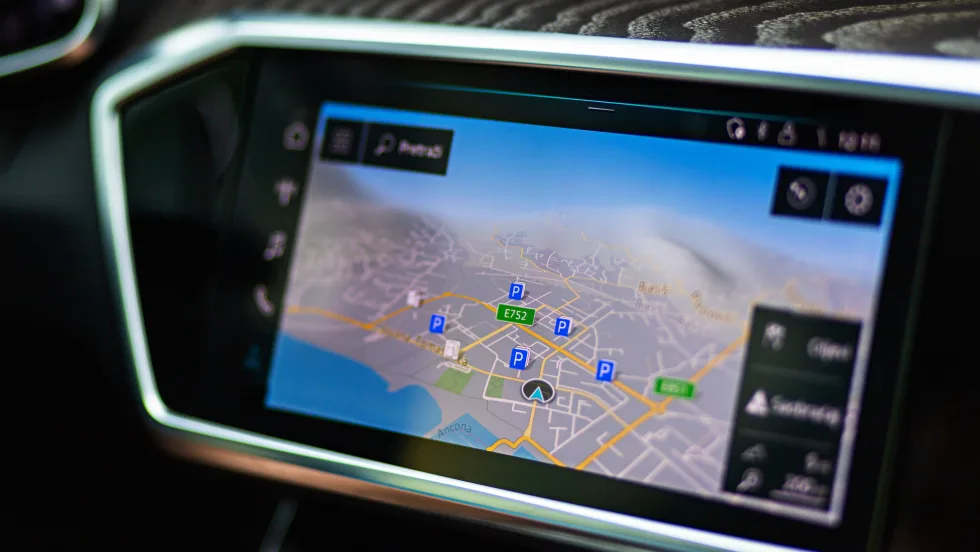
Computer Headaches on the Road
Consumers keep complaining about new cars’ infotainment tech, but are automakers listening? A recent survey shows regression except for mapping and speakers.
Read More →
Another Death Tied to Imported Air Bags
The Texas traffic fatality is the 11th federal regulators have connected to defective inflators imported from China. They urge that a certain population of used vehicles be inspected.
Read More →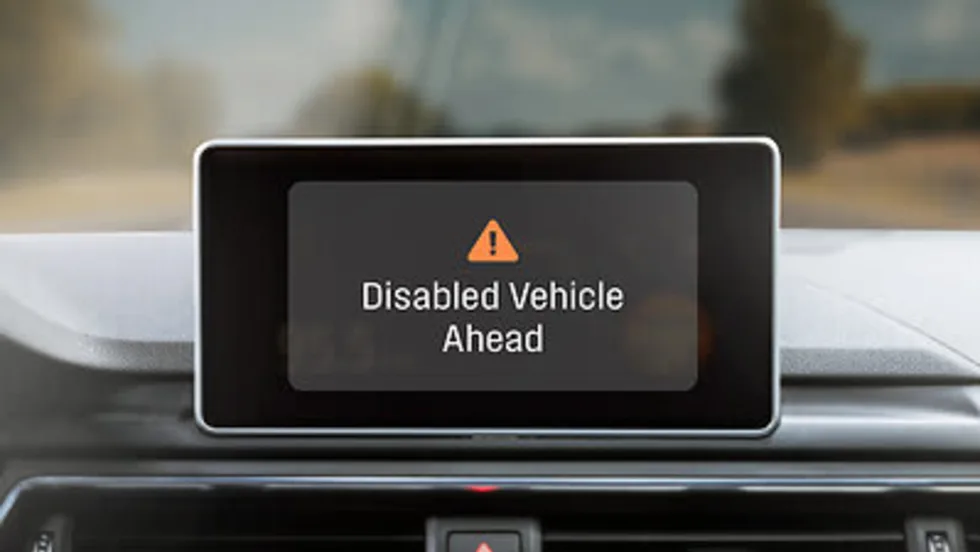
Roadside Warnings Debut
Mazda works with AAA and a technology company to alert passersby to stranded vehicles from its lineup, for both parties’ safety.
Read More →
AI As Trainer?
This month, Agent Entrepreneur Editor Hannah Mitchell shares an artificial-intelligence development that could upend traditional dealership training.
Read More →
A Lingering Auto Tech Divide
Automakers still struggle to hit consumers’ sweet spot, hanging onto the despised touchscreen and adding other complex systems while simple, effective details hit the mark.
Read More →
AI, China and the Next Wave of Auto Retail Innovation
F&I sits at the center of the changes expected to sweep the industry in just the new few years as new players change the game.
Read More →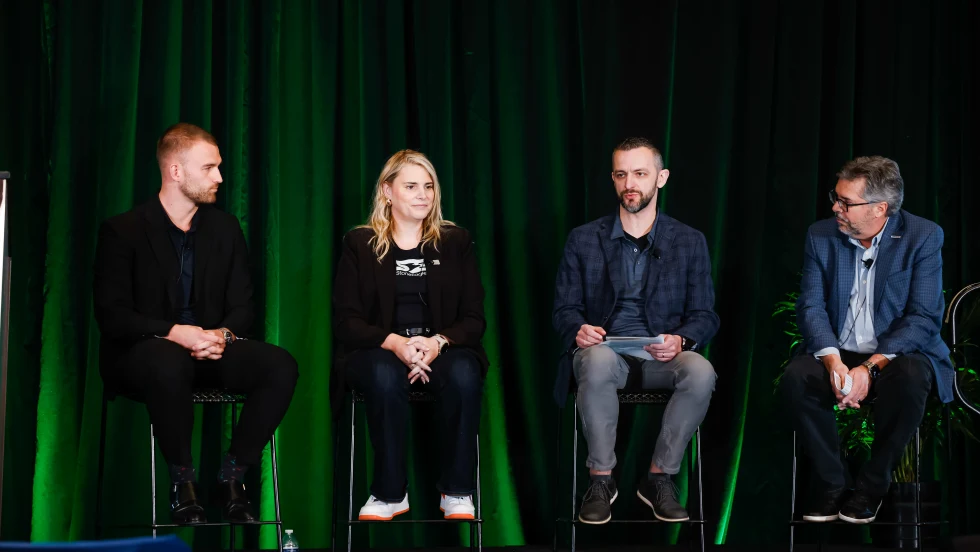
That Bot Can Do a Lot
Artificial intelligence was all the buzz at the 2026 Agent Summit. A panel of tech specialists broke through the noise to give agents guidance on steering dealer clients.
Read More →
Cyber F&I
Your dealer clients could only benefit from showcasing products on their websites along with vehicle inventory. Modern consumers expect to be informed and are more likely to buy products when they are.
Read More →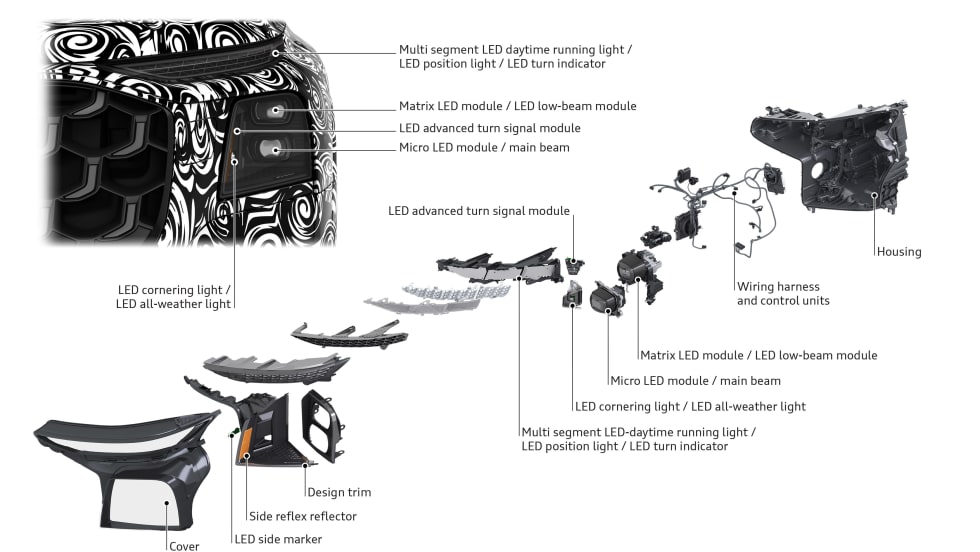
Road Glare to Drop a Notch?
Audi is preparing two SUV models for the American market with the automaker’s adaptive LED headlights. Its technology is designed to reduce brightness for other drivers, a growing complaint among U.S. motorists.
Read More →
AppOne Partners With RouteOne for E-Contracting Solution
By digitizing the entire contracting and funding process, the company says auto dealers can eliminate frustrating and disorganized manual processes.
Read More →