



BMW Cuts Margin Forecast for 2022
BMW reports 2022 margins will be lower because of the Russia-Ukraine conflict.

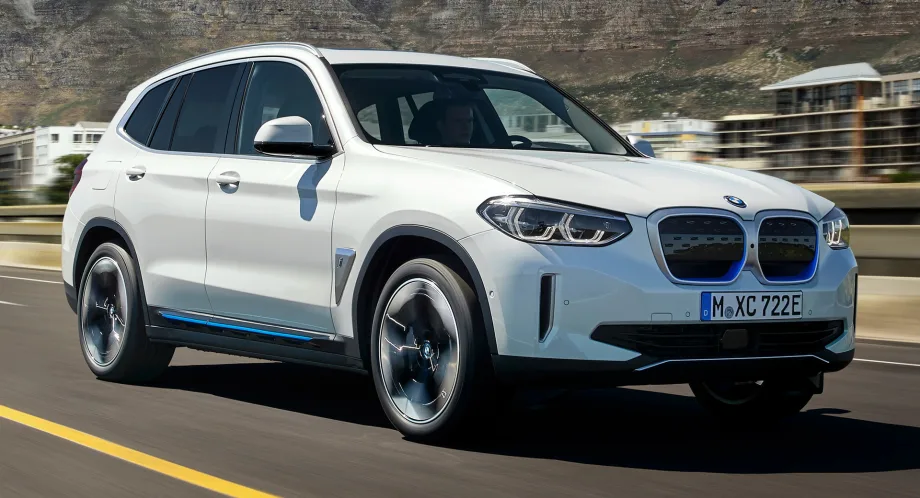
BMW all-electric iX3 SUV
BMW
BMW halted production of its iX electric SUV at BMW's factory in Dingolfing, Germany, because of a shortage of wire harnesses from Ukraine.
The company lowered its profit margins for the automotive segment in 2022 due to the war in Ukraine, which it expects to cause supply disruptions and weigh on the global economy.
BMW now predicts its car segment margin before interest and taxation (EBIT) to be 7% to 9% compared to 10% margins in 2021. Without the war, BMW forecasted a range of 8% to 10%.
While the automaker reports it can source some parts from western Ukraine and had engaged suppliers in other locations worldwide to maintain production, BMW expects further production interruptions in coming weeks.
The automaker forecasted a higher number of vehicles this year, but now expects to hit 2021 levels. BMW sold a record 2.52 million vehicles in 2021 despite semiconductor shortages, and had a 10.3% EBIT margin for 2021, the highest since 2017.
BMW reports the war in Ukraine complicates the ability to give accurate guidance for 2022 and that it could not factor any potential long-term implications into its forecast. CEO Oliver Zipse remained optimistic that the company could overcome the wire harness shortage on Bloomberg Television
He said, “BMW has more than a single supplier in Europe and is able to cope with the situation.”
But the company does not expect to see the semiconductor shortage improving until later in 2022.
BMW reported that 15 fully electric models to be in production this year and highlighted the rollout of the new i7 luxury sedan.
The company is also at work developing new battery technology and could deliver early on its target of having fully battery-powered vehicles making up half its global sales by 2030.
The automaker expects overall earnings, including its finance and motorcycle segments, to increase significantly in 2022, helped by the full consolidation of its Chinese BMW Brilliance joint venture. This BMW Chinese venture assembles BMW-branded models for sale in China and the all-electric iX3 SUV, which the company exports to global markets.
Originally posted on Auto Dealer Today
More Sales
September Payments Reach New Heights
Despite lower interest rates and longer loan terms, the average new-vehicle monthly payment continues to climb, and transaction prices remain high.
Read More →
Used Lots Getting the Business
Many consumers are seeking out the units to save money, and the demand – higher in July than normal – is keeping supply limited and prices up.
Read More →
Two Kinds of Agents and the 5 Ps That Separate Them
Follow these key guidelines to distinguish your agency from competitors by adding more value to your dealer clients' businesses.
Read More →
Positive Equity Reaches Record High
Mainstream vehicle owners who bought a car seven years ago are likely to have positive equity when trading in for a new vehicle, according to second-quarter Edmunds data.
Read More →
Used Market Stabilizes
The Carfax Used Car Index noted a major drop in used-vehicle price increases in July after several months of hikes.
Read More →
July Auto Sales Simmer
Deliveries were up modestly from a year ago despite still-high prices as OEMs offered more incentives and loan rates eased somewhat.
Read More →
Used Sales Hit Summer Drag
The vacation season, combined with high prices, has dented deliveries and added to inventories, though supply is still slim enough to keep listings elevated.
Read More →
June Automotive Boon?
A forecast for this month’s new-vehicle sales tells a familiar 2026 story: Year-over-year comparisons must be made in light of last year’s aberrations.
Read More →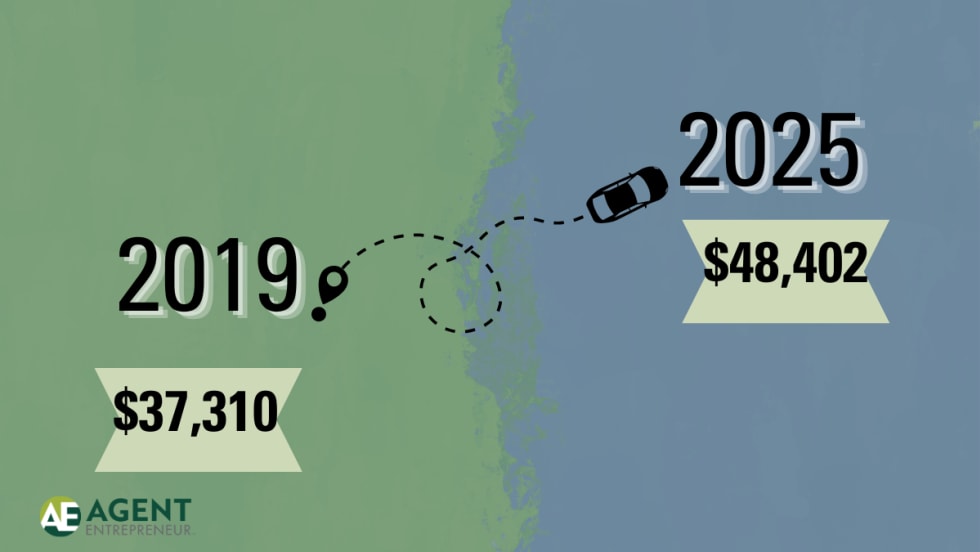
Affordable New Cars a Thing of the Past
More than one out of five new vehicles sell for more than $60,000, according to Edmunds. That's up 7% compared to prepandemic 2019.
Read More →
Legacy Automakers Risk Falling Behind
As legacy automakers, mostly in the U.S. and Japan, have revised their 2030 electric-vehicle sales targets and shifted to a hybrid focus, they risk falling behind new market leaders.
Read More →