



Black Book Partners with TradeVelocity Trade Widget
Online trade widget for lead capture combines with a closing tool on the showroom floor.


Online trade widget for lead capture combines with a closing tool on the showroom floor.
Image via Pixabay
LAWRENCEVILLE, Georgia – Black Book, known in the automotive industry for providing timely, independent and precise vehicle pricing information, today announced the integration of its vehicle valuation data with TradeVelocity, the industry-leading trade widget that allows consumers to see how time affects the value of their trade.
We’ve seen, on average, a two-to-three times increase in lead volume for dealers who are using our platform.
TradeVelocity, powered by Black Book’s vehicle valuation data and intelligence, helps dealers speed the trade-in and purchase process by allowing consumers to see depreciation by month.
“TradeVelocity takes the next step in online consumer vehicle appraisal by allowing dealers to set the depreciation rate, average maintenance cost, and tax savings on their dashboard,” said Jared Kalfus, EVP, Revenue at Black Book. “With this tool, dealers can better offer consumers a trade-in value that matches the dealer’s needs and market.”
Dealers can also set custom margins via the Black Book value to further customize their offered trade-in valuation to consumers.
TradeVelocity’s consumer facing trade in valuation solution can be implemented on the dealer’s website as a lead generation tool, but it can also be used on the showroom floor to demonstrate to the consumer how much value their trade in is depreciating if they hold on to it for just a few months longer.
“We’ve seen, on average, a two-to-three times increase in lead volume for dealers who are using our platform,” said Steve Knight, Founder, TradeVelocity. “Consumers don’t want to volunteer their information if they don’t receive anything in return. With TradeVelocity, we give consumers the value of their vehicle now, the value of their vehicle up to 12 months from now, and how much they can expect to spend on maintenance.”
TradeVelocity is now available to dealers nationwide.
Read: U.S. Auto Dealers Remain Optimistic About U.S. Economy
Originally posted on F&I and Showroom
More Sales

September Payments Reach New Heights
Despite lower interest rates and longer loan terms, the average new-vehicle monthly payment continues to climb, and transaction prices remain high.
Read More →
Used Lots Getting the Business
Many consumers are seeking out the units to save money, and the demand – higher in July than normal – is keeping supply limited and prices up.
Read More →
Two Kinds of Agents and the 5 Ps That Separate Them
Follow these key guidelines to distinguish your agency from competitors by adding more value to your dealer clients' businesses.
Read More →
Positive Equity Reaches Record High
Mainstream vehicle owners who bought a car seven years ago are likely to have positive equity when trading in for a new vehicle, according to second-quarter Edmunds data.
Read More →
Used Market Stabilizes
The Carfax Used Car Index noted a major drop in used-vehicle price increases in July after several months of hikes.
Read More →
July Auto Sales Simmer
Deliveries were up modestly from a year ago despite still-high prices as OEMs offered more incentives and loan rates eased somewhat.
Read More →
Used Sales Hit Summer Drag
The vacation season, combined with high prices, has dented deliveries and added to inventories, though supply is still slim enough to keep listings elevated.
Read More →
June Automotive Boon?
A forecast for this month’s new-vehicle sales tells a familiar 2026 story: Year-over-year comparisons must be made in light of last year’s aberrations.
Read More →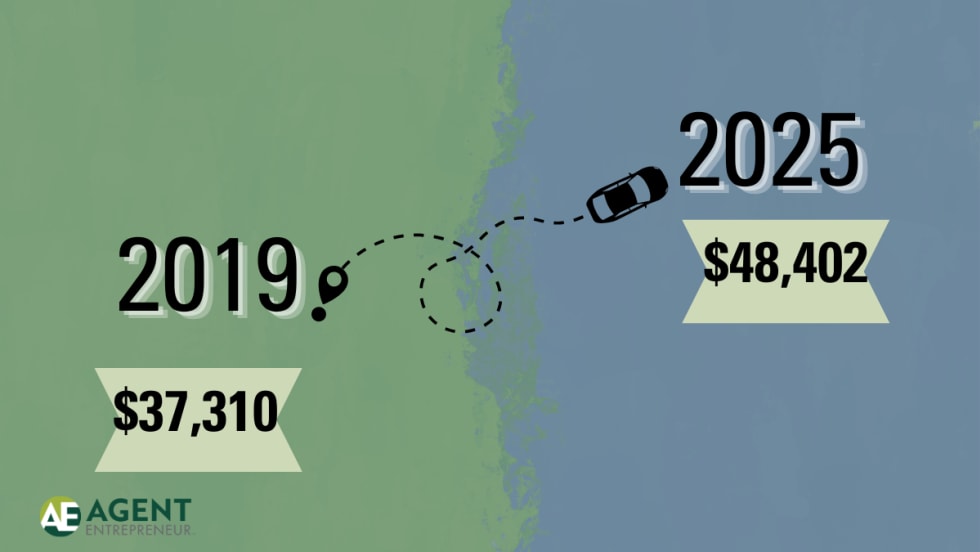
Affordable New Cars a Thing of the Past
More than one out of five new vehicles sell for more than $60,000, according to Edmunds. That's up 7% compared to prepandemic 2019.
Read More →
Legacy Automakers Risk Falling Behind
As legacy automakers, mostly in the U.S. and Japan, have revised their 2030 electric-vehicle sales targets and shifted to a hybrid focus, they risk falling behind new market leaders.
Read More →