



Bill to Lower Use of EV Battery Minerals from Foreign Sources
The Intergovernmental Critical Minerals Task Force Act aims to boost domestic mining, processing, refining, reusing, and recycling of critical minerals.

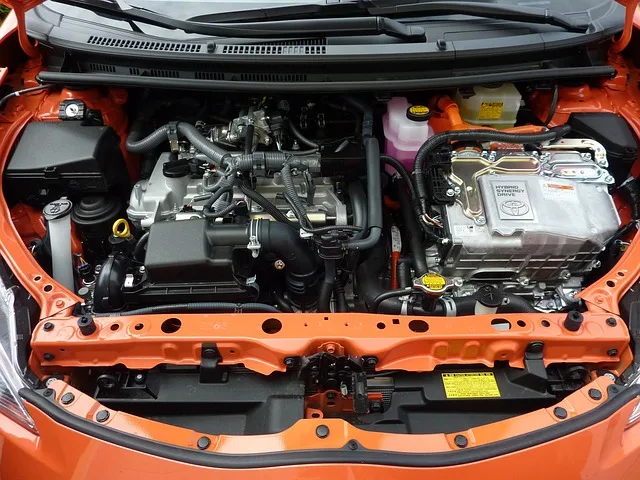
U.S. manufacturing and global economic competitiveness depends on reliable access to minerals for EV batteries.
Davgood Kirshot, Pixabay
Sen. Gary Peters introduced legislation to reduce the nation's reliance on foreign adversaries, especially China, for the critical minerals used in electric vehicle (EV) batteries and other technologies.
The Intergovernmental Critical Minerals Task Force Act, as the bipartisan legislation is called, would require the Office of Management and Budget to create a task force and appoint representatives from federal agencies to consult with state, local and tribal governments.
According to a press release, the group would be tasked with identifying new opportunities for domestic mining, processing, refining, reusing, and recycling of critical minerals, and how to best tackle national security threats related to America's critical mineral supply chains.
The bill mandates the task force to publish a report on its findings for Congress.
Peters noted that U.S. manufacturing and global economic competitiveness depends on reliable access to minerals. The Michigan Democrat who chairs the Homeland Security and Governmental Affairs Committee emphasized in a statement that “the nation’s dependence on adversarial nations like China for critical minerals poses serious national security and economic threats.”
Sen. Peters stressed that the bill would strengthen the domestic critical minerals supply chain, create well-paying jobs, and keep the U.S. manufacturing sector competitive globally.
Currently, China dominates the global market for processing and refining crucial EV battery materials like lithium and cobalt, making access to battery materials a growing concern for automakers and their suppliers.
The Inflation Reduction Act’s tax credit for new EVs is also tied to domestic sourcing of critical minerals. There is a $3,750 tax credit for EVs with at least 40% of the value of the battery’s critical minerals were extracted or processed:
In the U.S.
In a country where the U.S. has a free-trade agreement, or
From materials that were recycled in North America.
Another $3,750 is available if at least half of the value of the EV’s battery components are made or assembled in North America, notes Automotive News.
The percentages rise gradually and hit a peak of 80% in 2027 for minerals and 100% in 2029 for battery components.
From 2024, cars containing battery parts made by "foreign entities of concern," including Chinese-controlled companies, won't qualify for credits. That disqualifier extends to minerals in 2025.
Originally posted on Auto Dealer Today
More Product & Technology
Computer Headaches on the Road
Consumers keep complaining about new cars’ infotainment tech, but are automakers listening? A recent survey shows regression except for mapping and speakers.
Read More →
Another Death Tied to Imported Air Bags
The Texas traffic fatality is the 11th federal regulators have connected to defective inflators imported from China. They urge that a certain population of used vehicles be inspected.
Read More →
Roadside Warnings Debut
Mazda works with AAA and a technology company to alert passersby to stranded vehicles from its lineup, for both parties’ safety.
Read More →
AI As Trainer?
This month, Agent Entrepreneur Editor Hannah Mitchell shares an artificial-intelligence development that could upend traditional dealership training.
Read More →
A Lingering Auto Tech Divide
Automakers still struggle to hit consumers’ sweet spot, hanging onto the despised touchscreen and adding other complex systems while simple, effective details hit the mark.
Read More →
AI, China and the Next Wave of Auto Retail Innovation
F&I sits at the center of the changes expected to sweep the industry in just the new few years as new players change the game.
Read More →
That Bot Can Do a Lot
Artificial intelligence was all the buzz at the 2026 Agent Summit. A panel of tech specialists broke through the noise to give agents guidance on steering dealer clients.
Read More →
Cyber F&I
Your dealer clients could only benefit from showcasing products on their websites along with vehicle inventory. Modern consumers expect to be informed and are more likely to buy products when they are.
Read More →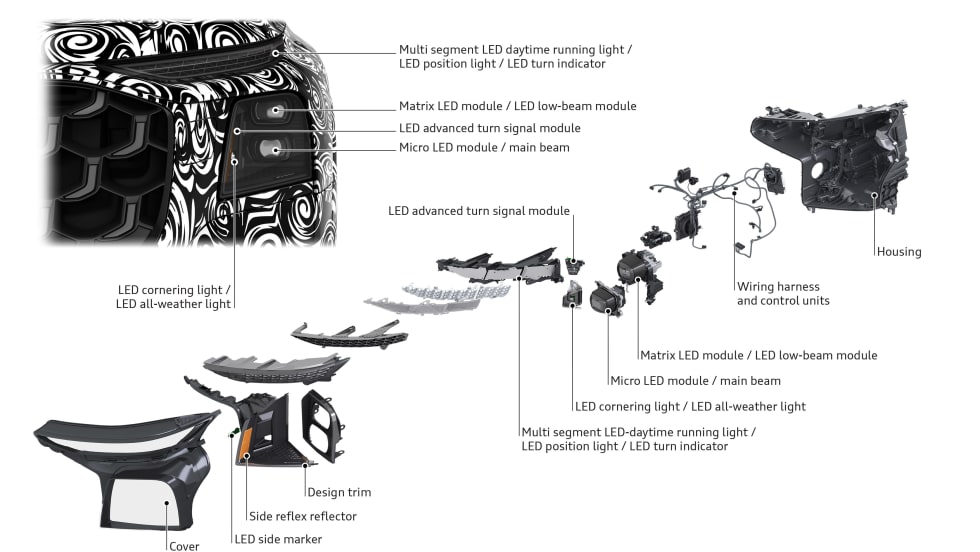
Road Glare to Drop a Notch?
Audi is preparing two SUV models for the American market with the automaker’s adaptive LED headlights. Its technology is designed to reduce brightness for other drivers, a growing complaint among U.S. motorists.
Read More →
AppOne Partners With RouteOne for E-Contracting Solution
By digitizing the entire contracting and funding process, the company says auto dealers can eliminate frustrating and disorganized manual processes.
Read More →