



Bezos-backed Rivian’s Meteoric Rise Represents a Fundamental Change in the Valuation of Automotive Stocks
The Rivian value debate demonstrates how investors can be split into two categories: those that make decisions based on recognizing future themes and those that invest based on traditional financial performance metrics

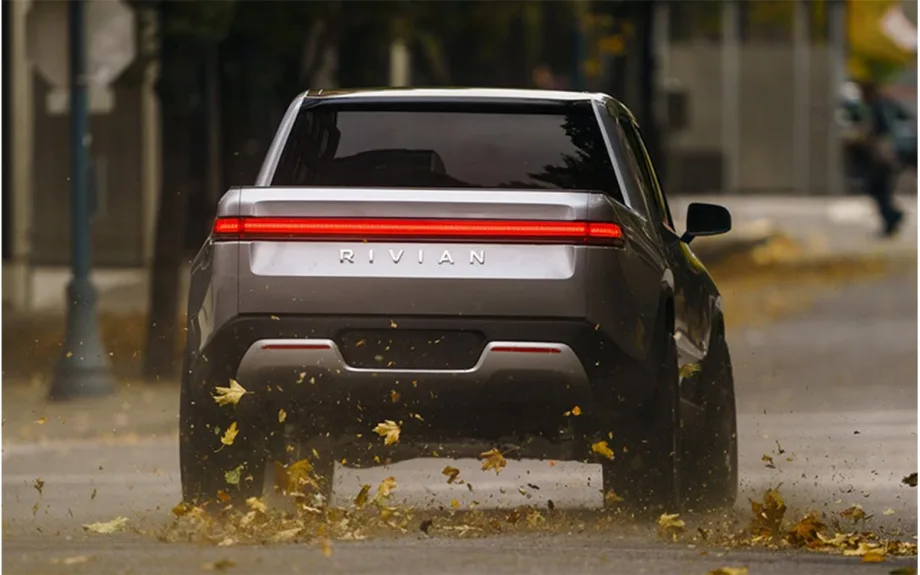
The Rivian value debate demonstrates how investors can be split into two categories: those that make decisions based on recognizing future themes and those that invest based on traditional financial performance metrics
GLOBAL DATA – Following the news that Rivian’s market cap climbed to more than $150 billion after being floated on the NYSE; Daniel Clarke, Thematic Analyst at GlobalData, a leading data and analytics company offers his view:
“It is a little absurd that Rivian has become the third-largest automaker by market cap without actually making any revenue. However, the need for EVs is both obvious and immediate. With Bezos’s backing, investors will believe that the future scale-up required to dominate the industry is possible. It is important to note that the concept of value in the stock market has shifted significantly in recent years and is increasingly contested. More traditional investors scorn Tesla and Rivian’s jaw-dropping market caps because of the huge gaps between their current revenue and their valuations. However, modern investors are betting on the future and considering how they expect these companies or technologies to dominate the industry when calculating their current value. Charismatic tech founders that can communicate a simple and obvious vision of the future will draw in the most capital from retail investors. This is true of Tesla, and it goes for Rivian, too - as well as founders in any industry where retail investors can easily understand the need for the core technology.”
Investment banks and retail investors both understand that electric vehicles (EVs) are the future of the automotive industry; and Jeff Bezos, a shareholder in both Amazon and Rivian, recognizes that Amazon must transition its delivery platforms to EVs. His backing of Rivian – which has signed a deal to supply Amazon with 100,000 vehicles - allows him to profit from both ventures.
Originally posted on Auto Dealer Today
More Sales

September Payments Reach New Heights
Despite lower interest rates and longer loan terms, the average new-vehicle monthly payment continues to climb, and transaction prices remain high.
Read More →
Used Lots Getting the Business
Many consumers are seeking out the units to save money, and the demand – higher in July than normal – is keeping supply limited and prices up.
Read More →
Two Kinds of Agents and the 5 Ps That Separate Them
Follow these key guidelines to distinguish your agency from competitors by adding more value to your dealer clients' businesses.
Read More →
Positive Equity Reaches Record High
Mainstream vehicle owners who bought a car seven years ago are likely to have positive equity when trading in for a new vehicle, according to second-quarter Edmunds data.
Read More →
Used Market Stabilizes
The Carfax Used Car Index noted a major drop in used-vehicle price increases in July after several months of hikes.
Read More →
July Auto Sales Simmer
Deliveries were up modestly from a year ago despite still-high prices as OEMs offered more incentives and loan rates eased somewhat.
Read More →
Used Sales Hit Summer Drag
The vacation season, combined with high prices, has dented deliveries and added to inventories, though supply is still slim enough to keep listings elevated.
Read More →
June Automotive Boon?
A forecast for this month’s new-vehicle sales tells a familiar 2026 story: Year-over-year comparisons must be made in light of last year’s aberrations.
Read More →
Affordable New Cars a Thing of the Past
More than one out of five new vehicles sell for more than $60,000, according to Edmunds. That's up 7% compared to prepandemic 2019.
Read More →
Legacy Automakers Risk Falling Behind
As legacy automakers, mostly in the U.S. and Japan, have revised their 2030 electric-vehicle sales targets and shifted to a hybrid focus, they risk falling behind new market leaders.
Read More →