



Be on the Lookout for Fake Coronavirus Tracking Sites Infecting IT Systems
Hackers are leveraging the popularity of these tracking maps to steal usernames, passwords, credit card numbers, browsing history, cookies and other information stored in users’ browsers.


Hackers are leveraging the popularity of these tracking maps to steal usernames, passwords, credit card numbers, browsing history, cookies and other information stored in users’ browsers.
Image by Gerd Altmann from Pixabay
NADA – With everyone tracking the global spread of the coronavirus, a new threat has emerged; Hackers have found a way to use popular COVID-19 tracking dashboards on medical websites to inject malware into users’ computers.
Hackers are leveraging the popularity of these tracking maps to steal usernames, passwords, credit card numbers, browsing history, cookies and other information stored in users’ browsers.
How Hackers Attack Computers
Attackers put up websites related to COVID-19 and prompt users to download an application that allows them to stay up-to-date on the pandemic. While a map highlighting how COVID-19 is spreading across the globe, the application doesn’t need to be installed despite a prompt asking users to do so. As users view what appears to be a legitimate website, the application launches a malicious binary file and installs it on the user’s computer.
The attack method uses malicious software known as AZORult, which originated in Russia approximately four years ago. AZORult not only steals data from computers but also infects them with other malware. A new variant of AZORult installs a secret administrative account on computers to perform remote attacks. As it stand, this malware only affects Windows machines, but other operating systems are likely to be included soon.
While it is important to stay up-to-date on COVID-19, users should only view dashboards from legitimate sources. such as those operated by John Hopkins University or the Centers for Disease Control and Prevention (CDC), to avoid getting hacked. Additionally, users should not click links in unsolicited emails that promise updates about the coronavirus.
Originally posted on F&I and Showroom
More Product & Technology

Another Death Tied to Imported Air Bags
The Texas traffic fatality is the 11th federal regulators have connected to defective inflators imported from China. They urge that a certain population of used vehicles be inspected.
Read More →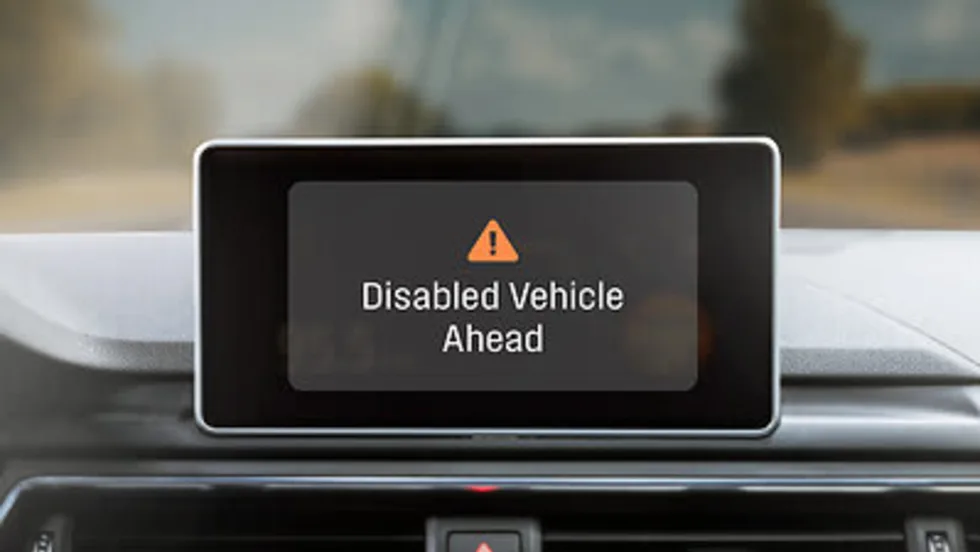
Roadside Warnings Debut
Mazda works with AAA and a technology company to alert passersby to stranded vehicles from its lineup, for both parties’ safety.
Read More →
AI As Trainer?
This month, Agent Entrepreneur Editor Hannah Mitchell shares an artificial-intelligence development that could upend traditional dealership training.
Read More →
A Lingering Auto Tech Divide
Automakers still struggle to hit consumers’ sweet spot, hanging onto the despised touchscreen and adding other complex systems while simple, effective details hit the mark.
Read More →
AI, China and the Next Wave of Auto Retail Innovation
F&I sits at the center of the changes expected to sweep the industry in just the new few years as new players change the game.
Read More →
That Bot Can Do a Lot
Artificial intelligence was all the buzz at the 2026 Agent Summit. A panel of tech specialists broke through the noise to give agents guidance on steering dealer clients.
Read More →
Cyber F&I
Your dealer clients could only benefit from showcasing products on their websites along with vehicle inventory. Modern consumers expect to be informed and are more likely to buy products when they are.
Read More →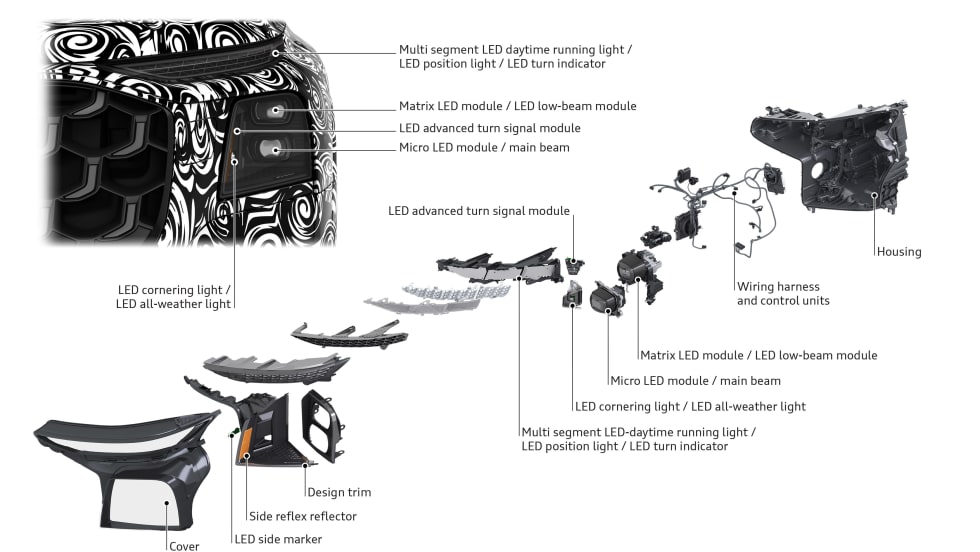
Road Glare to Drop a Notch?
Audi is preparing two SUV models for the American market with the automaker’s adaptive LED headlights. Its technology is designed to reduce brightness for other drivers, a growing complaint among U.S. motorists.
Read More →
AppOne Partners With RouteOne for E-Contracting Solution
By digitizing the entire contracting and funding process, the company says auto dealers can eliminate frustrating and disorganized manual processes.
Read More →
Senators Propose Chinese Connected Car Ban
Just weeks before President Trump is set to meet with the Chinese president, two U.S. senators proposed a bill with the aim of protecting Americans’ data.
Read More →