



Automatic Braking Systems Not Surefire
AAA crash tests show they don’t do the job in every scenario.

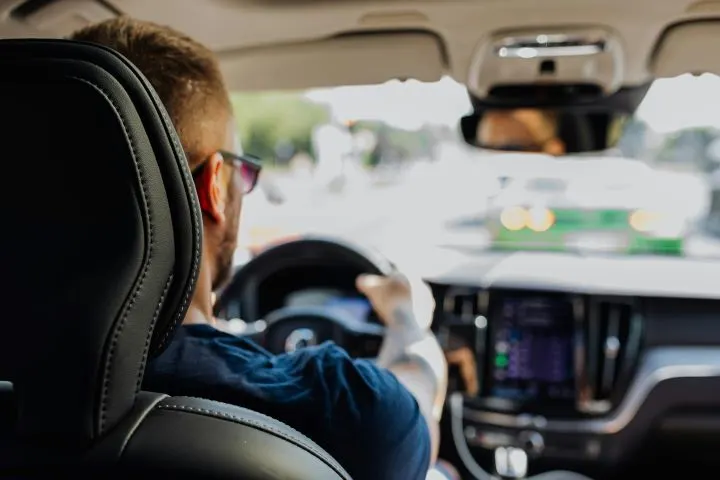
AAA says backing drivers should also use backup cameras and other sensors, exercising particular caution when their view is blocked.
IMAGE: Pexels/Karolina Grabowska
Tests by AAA show that reverse automatic emergency braking shouldn’t be a driver’s only cautionary measure when backing up.
The motor club group conducted crash tests with four small- to medium-size 2023 sports-utility vehicle models featuring the braking technology with rear cross-traffic mitigation, which is designed to mitigate or prevent collisions with other vehicles, some systems also detecting other obstacles. It chose SUVs due to that vehicle type’s popularity.
The AAA tests examined how the systems operate in two scenarios: when a vehicle backs out of a parking space into an oncoming vehicle’s path as an adjacent parked vehicle blocks the driver’s seat view, and with a child pedestrian standing behind the backing vehicle.
The research found that the technology applied the brakes in 65% of tests and prevented a collision in just 2.5% of tests involving a crossing vehicle. In the tests involving a stationary child behind the backing vehicle, it applied the brakes 75% of the time and prevented collision in half the tests.
Test models were from the Hyundai, Lexus, Mazda and Volkswagen lines.
Based on the results, AAA concluded that drivers shouldn’t solely rely on AEB systems when backing, instead also using backup cameras and other sensors, exercising particular caution when their view is blocked to give the AEB system more time to detect obstacles and brake. It also advised vehicle owners to ensure the technology is in good working condition.
AAA said U.S. testing standards for the technology are “lacking” and urged that more be done to ensure they work as intended.
Originally posted on Auto Dealer Today
More Product & Technology
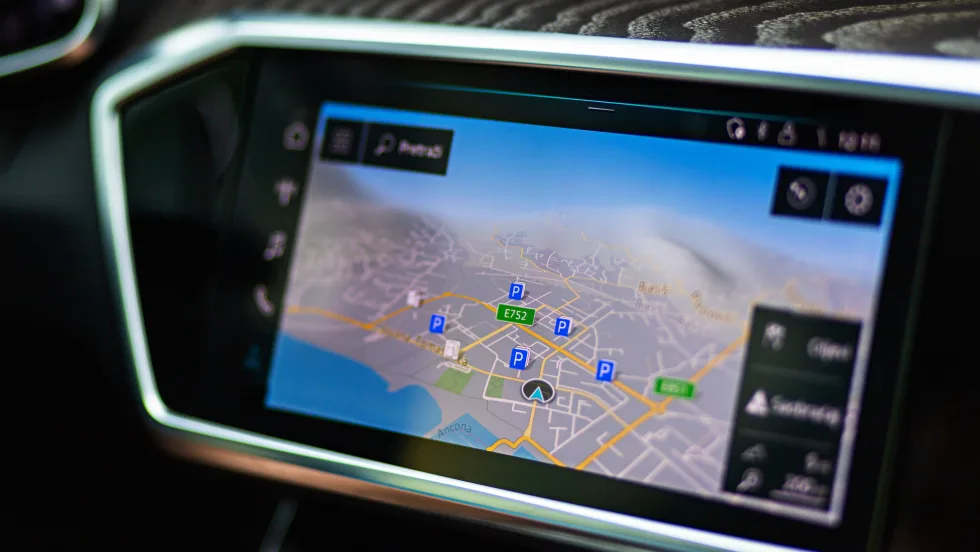
Computer Headaches on the Road
Consumers keep complaining about new cars’ infotainment tech, but are automakers listening? A recent survey shows regression except for mapping and speakers.
Read More →
Another Death Tied to Imported Air Bags
The Texas traffic fatality is the 11th federal regulators have connected to defective inflators imported from China. They urge that a certain population of used vehicles be inspected.
Read More →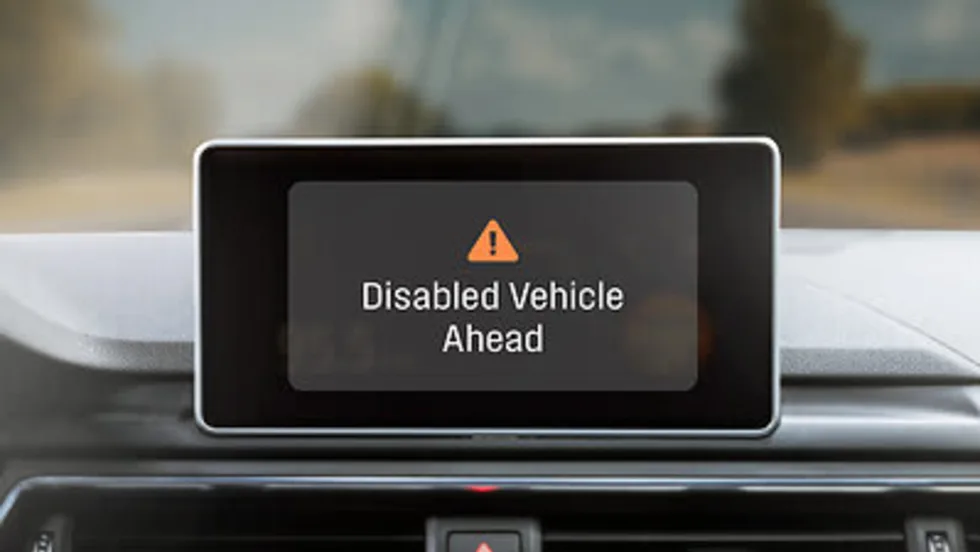
Roadside Warnings Debut
Mazda works with AAA and a technology company to alert passersby to stranded vehicles from its lineup, for both parties’ safety.
Read More →
AI As Trainer?
This month, Agent Entrepreneur Editor Hannah Mitchell shares an artificial-intelligence development that could upend traditional dealership training.
Read More →
A Lingering Auto Tech Divide
Automakers still struggle to hit consumers’ sweet spot, hanging onto the despised touchscreen and adding other complex systems while simple, effective details hit the mark.
Read More →
AI, China and the Next Wave of Auto Retail Innovation
F&I sits at the center of the changes expected to sweep the industry in just the new few years as new players change the game.
Read More →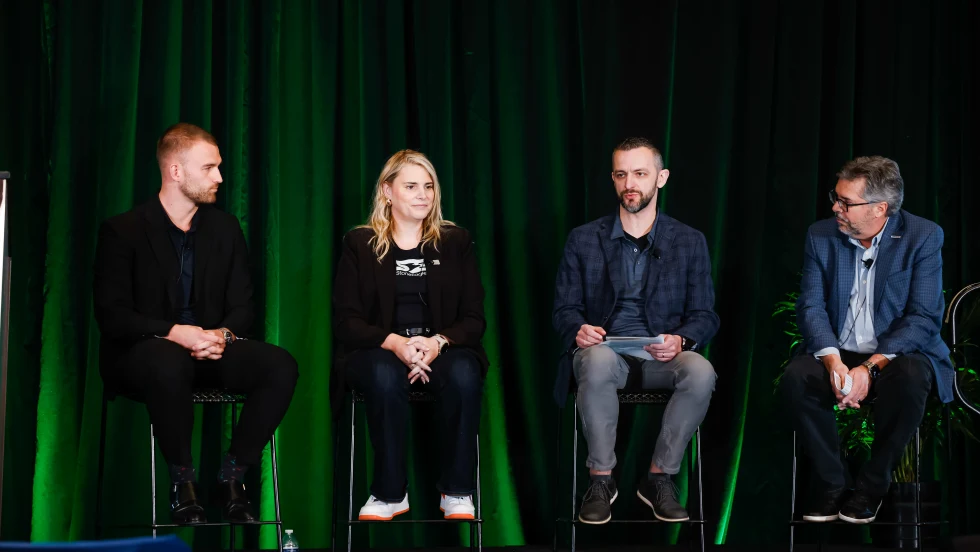
That Bot Can Do a Lot
Artificial intelligence was all the buzz at the 2026 Agent Summit. A panel of tech specialists broke through the noise to give agents guidance on steering dealer clients.
Read More →
Cyber F&I
Your dealer clients could only benefit from showcasing products on their websites along with vehicle inventory. Modern consumers expect to be informed and are more likely to buy products when they are.
Read More →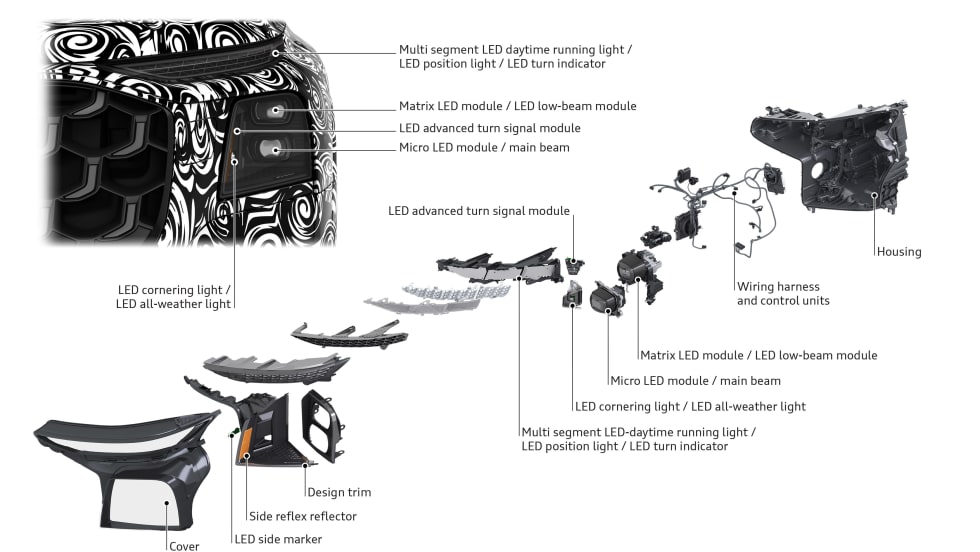
Road Glare to Drop a Notch?
Audi is preparing two SUV models for the American market with the automaker’s adaptive LED headlights. Its technology is designed to reduce brightness for other drivers, a growing complaint among U.S. motorists.
Read More →
AppOne Partners With RouteOne for E-Contracting Solution
By digitizing the entire contracting and funding process, the company says auto dealers can eliminate frustrating and disorganized manual processes.
Read More →