



Automakers Race to Release New EVs
The EV race heats up as Ford Motor Co. and General Motors Co. highlight new electric pickups while other car companies get ready to release new battery-powered models in 2022.

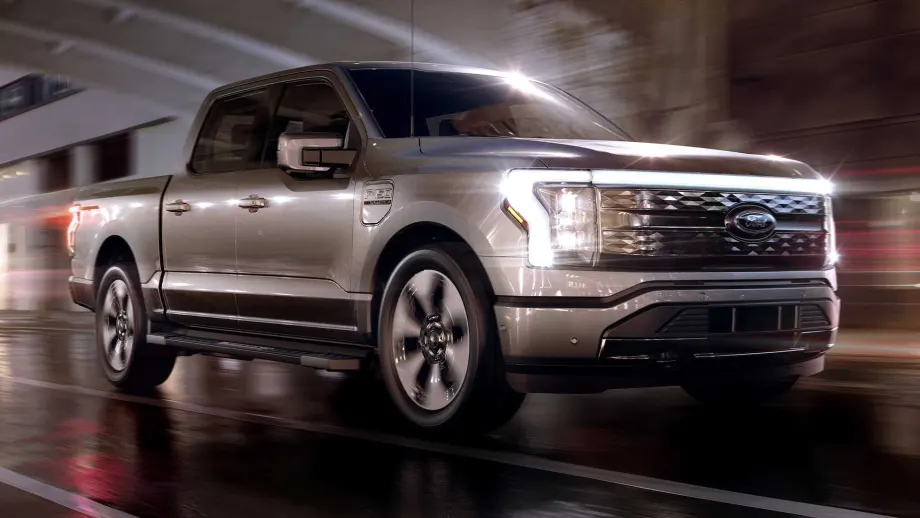
Ford
The EV race is heating up as Ford Motor Co. and General Motors Co. highlight new electric pickups while other car companies get ready to release new battery-powered models in 2022 and beyond.
In the coming year, car buyers will start to see more EVs on dealership lots. Automakers plan to launch dozens of new electric models in a range of styles and price points over the next two years, according to analysts at Bank of America.
Ford sets the stage for EVs with its Electric F-150 Lightning pickup, which goes on sale in limited numbers this spring. Buyers can get into an F-150 Lightning at a starting price of around $40,000. Ford has promised to nearly double production the F-150 Lightning after receiving a higher-than-expected number of reservations.
The move to double production pushed Ford’s market value to $97.6 billion, past GM’s and over Rivian Automotive Inc., a startup that recently released an all-electric truck and went public in November.
Not to be outdone, GM has unveiled a battery-powered version of its popular Chevy Silverado. CEO Mary Barra also noted the company will offer another 10 or so EVs within two years, compared with just two today.
Stellantis, which owns Jeep, Ram and other auto brands, then entered the fray saying the nearly 100-year-old Chrysler brand will be fully electric by 2028. The automaker also disclosed that it had a deal to sell electric vans to Amazon.com Inc., making it a competitor to Rivian which also has an agreement to sell vans to the e-retailer.
Rivian stock dropped 11% when the news came out, falling under its $78-a-share IPO price for the first time since it went public. By Friday, it rose to $86.28 a share.
The race to EVs is rocking the stock market. Before, investors hedged their EV bets and bought stocks in Tesla and other startups solely dedicated to manufacturing EVs. Tesla, worth more than $1 trillion at Friday’s close, is considered the world’s most valuable auto maker. But as the EV race heats up, that could change.
Now dealerships must convince consumers to buy these new EVs. For many car buyers, an electric vehicle remains a tough sell. The limited availability of charging stations and their higher prices than gas-engine models make them less attractive to some consumers.
EV sales are on the upswing, rising 88% year-over-year in 2021, but still only account for about 3.2% of the total U.S. car market, according to research firm Motor Intelligence.
Tesla is beating out the competition with global deliveries that rose 87% in 2021 to around 986,000. Tesla sold about 352,500 vehicles in the U.S. in 2021, representing 72% of all battery-electric vehicles purchased, Motor Intelligence estimates.
Ford, in contrast, sold around 27,000 EVs and GM sold around 25,000 in 2021, which combined accounted for less than 2% of their total U.S. sales.
Consumer sentiment toward EVs is changing. An AlixPartners LLP survey in August found 19% of U.S. respondents say they are very likely to make their next car purchase an EV, up from 5% in 2019.
Originally posted on Auto Dealer Today
More Product & Technology
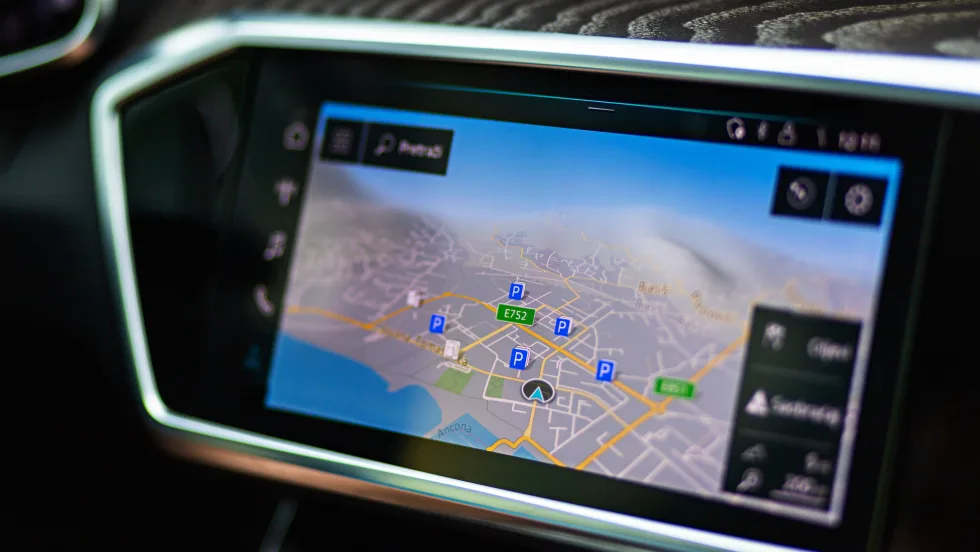
Computer Headaches on the Road
Consumers keep complaining about new cars’ infotainment tech, but are automakers listening? A recent survey shows regression except for mapping and speakers.
Read More →
Another Death Tied to Imported Air Bags
The Texas traffic fatality is the 11th federal regulators have connected to defective inflators imported from China. They urge that a certain population of used vehicles be inspected.
Read More →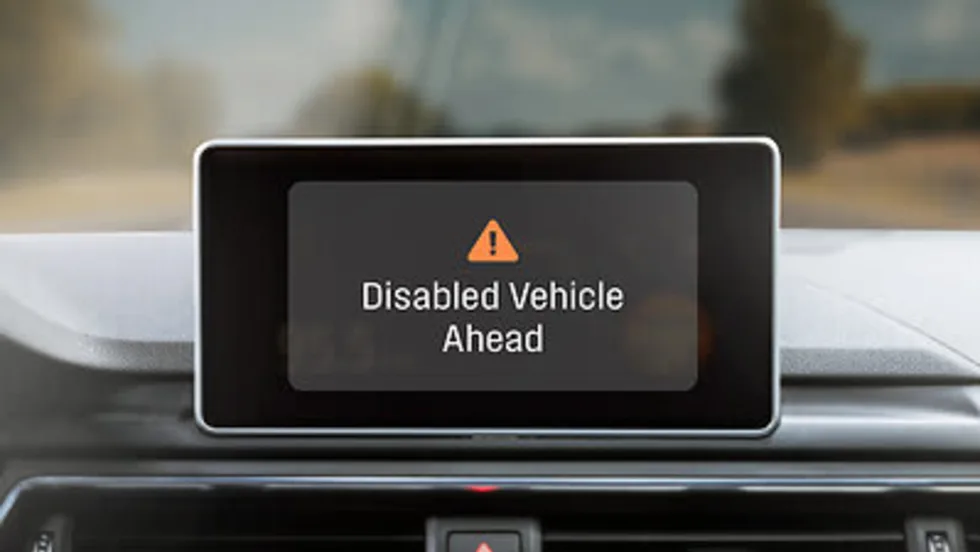
Roadside Warnings Debut
Mazda works with AAA and a technology company to alert passersby to stranded vehicles from its lineup, for both parties’ safety.
Read More →
AI As Trainer?
This month, Agent Entrepreneur Editor Hannah Mitchell shares an artificial-intelligence development that could upend traditional dealership training.
Read More →
A Lingering Auto Tech Divide
Automakers still struggle to hit consumers’ sweet spot, hanging onto the despised touchscreen and adding other complex systems while simple, effective details hit the mark.
Read More →
AI, China and the Next Wave of Auto Retail Innovation
F&I sits at the center of the changes expected to sweep the industry in just the new few years as new players change the game.
Read More →
That Bot Can Do a Lot
Artificial intelligence was all the buzz at the 2026 Agent Summit. A panel of tech specialists broke through the noise to give agents guidance on steering dealer clients.
Read More →
Cyber F&I
Your dealer clients could only benefit from showcasing products on their websites along with vehicle inventory. Modern consumers expect to be informed and are more likely to buy products when they are.
Read More →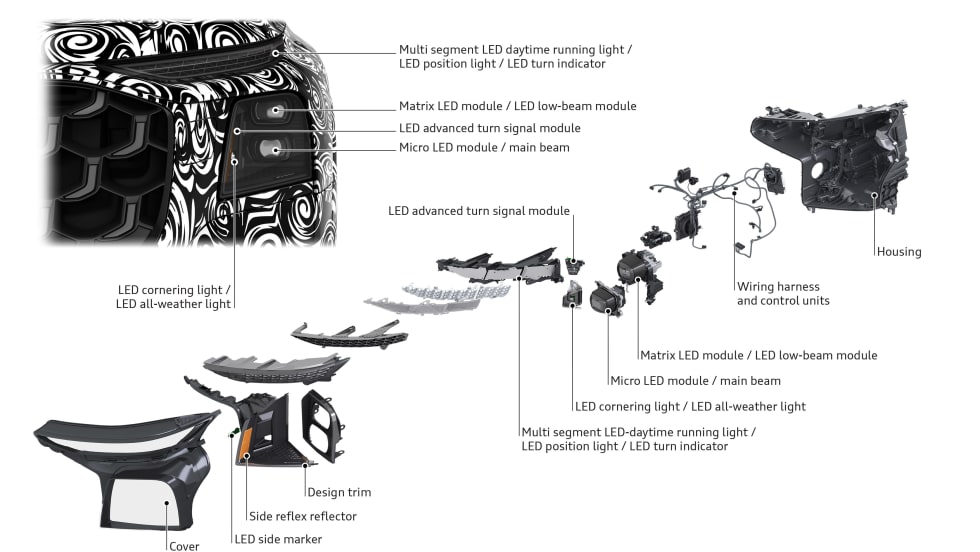
Road Glare to Drop a Notch?
Audi is preparing two SUV models for the American market with the automaker’s adaptive LED headlights. Its technology is designed to reduce brightness for other drivers, a growing complaint among U.S. motorists.
Read More →
AppOne Partners With RouteOne for E-Contracting Solution
By digitizing the entire contracting and funding process, the company says auto dealers can eliminate frustrating and disorganized manual processes.
Read More →