



Americans Keeping ICE Vehicles Longer
S&P Global Mobility research finds the average age of gas-powered U.S. cars and light trucks has climbed to 12.5 years.


Supply constraints on new vehicle inventories and inflation and higher interest rates are causing Americans to hold on to gas-powered vehicles longer.
Hebert Santos
A recent study conducted by S&P Global Mobility reveals that Americans, in the final stages of the COVID pandemic, are holding onto their combustion-engine vehicles for longer periods.
The study highlights that the average age of cars and light trucks in the United States has reached a record high of 12.5 years. This trend can be attributed to several factors:
Supply constraints on new vehicle inventories because of pandemic impacts on manufacturing
Decreased consumer demand from inflation and higher interest rates.
However, the study also predicts the average vehicle age is expected to decrease in the coming year, despite six consecutive years of vehicle age increases. As supply chains stabilize and demand for new vehicles rebounds, with projected sales exceeding 14.5 million in 2023, the average age of vehicles is likely to decline, according to the report.
Interestingly, electric vehicles (EVs) defy this aging trend, finds the S&P research. The average age of battery electric vehicles (BEVs) in the United States has actually decreased slightly from 3.7 years in 2022 to 3.6 years. This age range has remained relatively consistent, hovering between 3 and 4 years since 2017.
The study attributes this phenomenon to the rapid growth in BEV sales, which increased by 58% in 2022. The higher influx of new EVs helps maintain a younger average age within the EV sector, even though a larger proportion of EVs are exiting the overall vehicle population when compared to combustion-engine vehicles.
From 2013 to 2022, the study notes that 6.6% of BEVs in operation were taken out of commission, while only 5.2% of combustion vehicles were removed from the fleet. This data indicates EVs experience a slightly higher turnover rate, potentially because of advancements in technology and consumer preferences for newer EV models.
The study by S&P Global Mobility shows Americans extended the lifespan of their combustion-engine vehicles during the COVID pandemic, leading to a record average vehicle age. However, the average age is expected to decrease soon with the recovery of new vehicle availability and renewed consumer demand.
In contrast, EVs maintain a younger average age, owing to the surge in BEV sales despite a larger percentage of EVs leaving the overall vehicle population compared to traditional combustion-engine vehicles.
Originally posted on Auto Dealer Today
More Product & Technology

Computer Headaches on the Road
Consumers keep complaining about new cars’ infotainment tech, but are automakers listening? A recent survey shows regression except for mapping and speakers.
Read More →
Another Death Tied to Imported Air Bags
The Texas traffic fatality is the 11th federal regulators have connected to defective inflators imported from China. They urge that a certain population of used vehicles be inspected.
Read More →
Roadside Warnings Debut
Mazda works with AAA and a technology company to alert passersby to stranded vehicles from its lineup, for both parties’ safety.
Read More →
AI As Trainer?
This month, Agent Entrepreneur Editor Hannah Mitchell shares an artificial-intelligence development that could upend traditional dealership training.
Read More →
A Lingering Auto Tech Divide
Automakers still struggle to hit consumers’ sweet spot, hanging onto the despised touchscreen and adding other complex systems while simple, effective details hit the mark.
Read More →
AI, China and the Next Wave of Auto Retail Innovation
F&I sits at the center of the changes expected to sweep the industry in just the new few years as new players change the game.
Read More →
That Bot Can Do a Lot
Artificial intelligence was all the buzz at the 2026 Agent Summit. A panel of tech specialists broke through the noise to give agents guidance on steering dealer clients.
Read More →
Cyber F&I
Your dealer clients could only benefit from showcasing products on their websites along with vehicle inventory. Modern consumers expect to be informed and are more likely to buy products when they are.
Read More →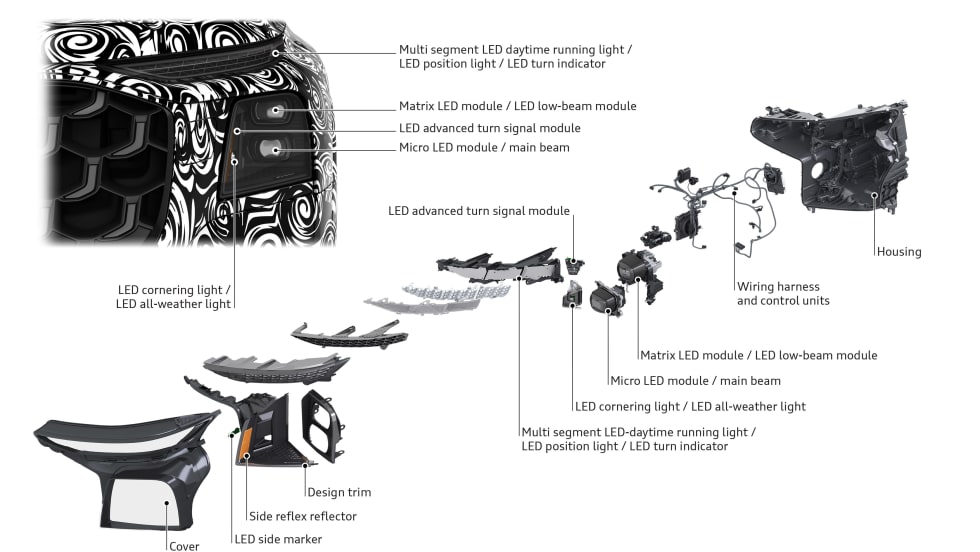
Road Glare to Drop a Notch?
Audi is preparing two SUV models for the American market with the automaker’s adaptive LED headlights. Its technology is designed to reduce brightness for other drivers, a growing complaint among U.S. motorists.
Read More →
AppOne Partners With RouteOne for E-Contracting Solution
By digitizing the entire contracting and funding process, the company says auto dealers can eliminate frustrating and disorganized manual processes.
Read More →