



American Honda Recalls Older CR-V Crossovers
Company reports that de-icing agents can cause frame corrosion.

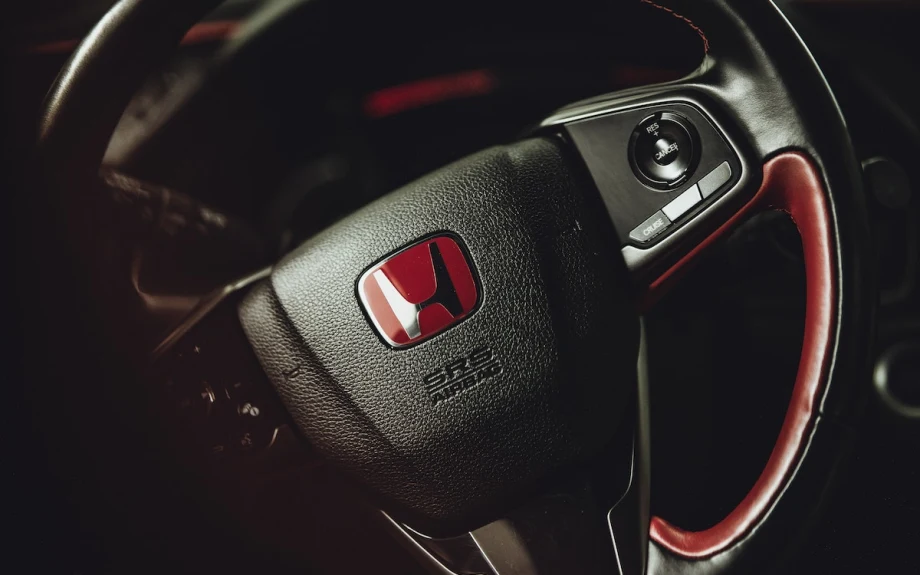
De-icing agents can enter the rear frame of older Honda CR-Vs and cause corrosion.
Jay Johnson
In states where de-icing agents are used on roads, American Honda is recalling 564,000 older CR-V compact crossovers, as the chemicals could cause corrosion to the frame of the vehicles.
The recall covers 2007 to 2011 CR-Vs sold or registered in salt-belt states, which include Connecticut, Illinois, Michigan, Ohio and Wisconsin.
The recall report submitted to NHTSA on March 30 reports that de-icing agents used on roadways, along with mud and water, can enter the rear frame through drainage/positioning holes “when the vehicle is driven through flooded areas or puddles at high speeds.”
Gradually, the combination of elements could lead to corrosion of the frame's inner structure, and eventually the rear trailing arm could detach, according to the report.
The report says that no vehicles sold outside the salt-belt region have experienced frame corrosion up to this point.
The car manufacturer, however, mentioned it had gotten 61 customer complaints in ice-belt states from September 2018 to March 2023. The automaker reported no fatalities or injuries had been linked to the matter.
Dealers will inspect the rear frame of recalled vehicles for corrosion and determine the fix based on whether the rear trailing arm bolt can be removed. If the bolt can be taken out by technicians, a support brace will be affixed to the rear frame by dealers.
Dealers will either repair the frame or offer to repurchase the vehicle if the trailing arm bolt falls off with the support brace or the bolt can't be removed.
Honda notified dealers on March 31. Owner notifications will start May 8.
Originally posted on Auto Dealer Today
More Product & Technology
Computer Headaches on the Road
Consumers keep complaining about new cars’ infotainment tech, but are automakers listening? A recent survey shows regression except for mapping and speakers.
Read More →
Another Death Tied to Imported Air Bags
The Texas traffic fatality is the 11th federal regulators have connected to defective inflators imported from China. They urge that a certain population of used vehicles be inspected.
Read More →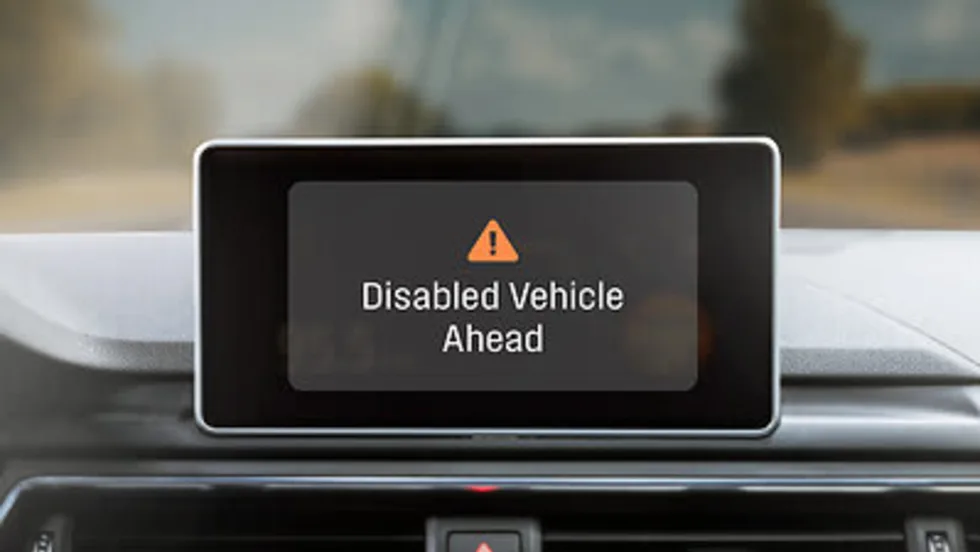
Roadside Warnings Debut
Mazda works with AAA and a technology company to alert passersby to stranded vehicles from its lineup, for both parties’ safety.
Read More →
AI As Trainer?
This month, Agent Entrepreneur Editor Hannah Mitchell shares an artificial-intelligence development that could upend traditional dealership training.
Read More →
A Lingering Auto Tech Divide
Automakers still struggle to hit consumers’ sweet spot, hanging onto the despised touchscreen and adding other complex systems while simple, effective details hit the mark.
Read More →
AI, China and the Next Wave of Auto Retail Innovation
F&I sits at the center of the changes expected to sweep the industry in just the new few years as new players change the game.
Read More →
That Bot Can Do a Lot
Artificial intelligence was all the buzz at the 2026 Agent Summit. A panel of tech specialists broke through the noise to give agents guidance on steering dealer clients.
Read More →
Cyber F&I
Your dealer clients could only benefit from showcasing products on their websites along with vehicle inventory. Modern consumers expect to be informed and are more likely to buy products when they are.
Read More →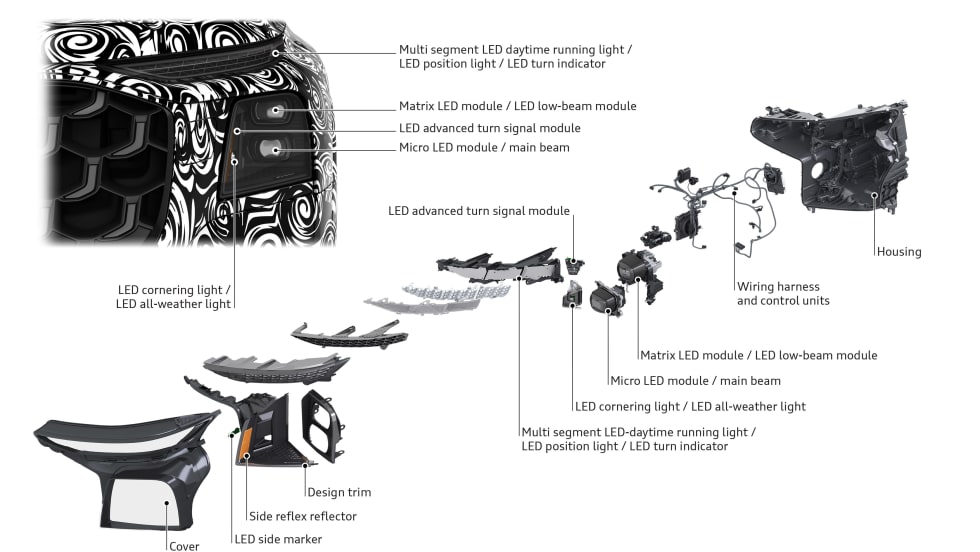
Road Glare to Drop a Notch?
Audi is preparing two SUV models for the American market with the automaker’s adaptive LED headlights. Its technology is designed to reduce brightness for other drivers, a growing complaint among U.S. motorists.
Read More →
AppOne Partners With RouteOne for E-Contracting Solution
By digitizing the entire contracting and funding process, the company says auto dealers can eliminate frustrating and disorganized manual processes.
Read More →