



ADAS Analysis from LexisNexis Risk Solutions Sets Record Straight on U.S. Auto Claims Severity
Advanced Driver Assistance Systems equate to loss cost reductions, underscoring the need for VIN-level feature information to improve policy rating.

Advanced Driver Assistance Systems equate to loss cost reductions, underscoring the need for VIN-level feature information to improve policy rating.
ATLANTA – LexisNexis® Risk Solutions announced a new analysis of the relationship between Advanced Driver Assistance Systems (ADAS) features and U.S. auto insurance claims, which counters common insurance industry sentiment that ADAS repair costs offset ADAS loss cost benefits. The results are featured in the new white paper, "True Impact of ADAS Features on Insurance Claim Severity Revealed," which examines the effect of ADAS on claim severity in a multivariate setting. The findings represent the second half of a two-part study that also examined the relationship between ADAS and claims frequency. The combined findings show that the change in claim severity in vehicles with ADAS were minimal; however, the decrease in claim frequency was significant. The LexisNexis Risk Solutions study shows an overall reduction in loss cost by coverage, which can warrant ADAS feature-based policy discounts and benefits for both drivers and insurers.
"Insurance companies can use this new ADAS data as part of their rating segmentation to better meet the expectations of insurers' customers, who often purchase vehicles with advanced safety features with the expectation that it will help lower their insurance rates,1" said John Kanet, director, auto insurance, LexisNexis Risk Solutions. "U.S. insurers have been trying to get ADAS feature information at a VIN level for years, but many believe technology has advanced too quickly and the expense of repairing these features neutralizes the loss cost impact of ADAS. LexisNexis Risk Solutions has good news for insurers – this ADAS data helps show there is a distinct loss cost benefit, and VIN-level feature information is now available through LexisNexis® Vehicle Build. Insurers focused on total risk analysis can begin to understand the safety features on the vehicle in combination with the risk factors associated with the driver."
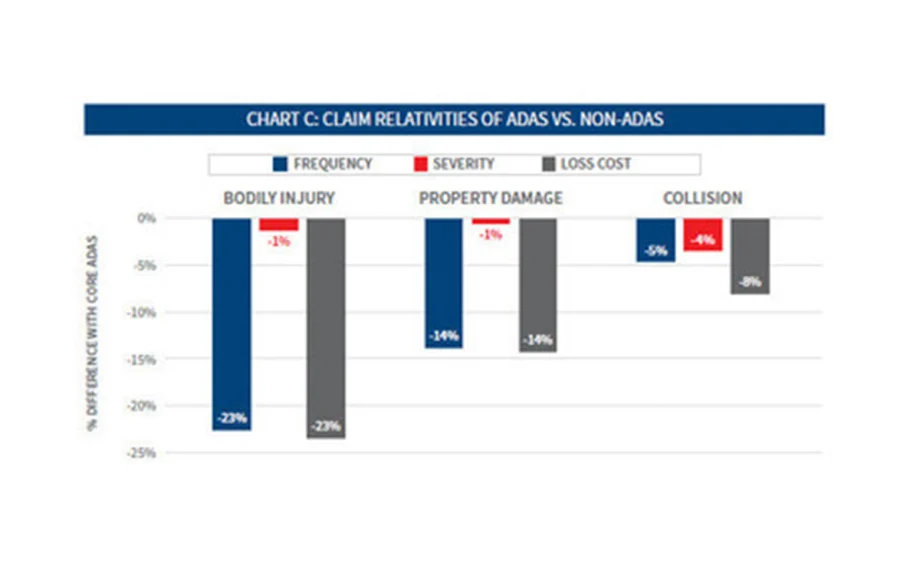
Results from the LexisNexis Risk Solutions multivariate analysis reveal that by having at least one core ADAS feature, there was a reduction in loss cost. Loss cost will vary – more or less – depending on the combination of core ADAS features and how each specific combination of features performs. According to the white paper, having ADAS feature information can result in the following:
23% reduction in Bodily Injury loss cost;
14% reduction in Property Damage loss cost; and
8% reduction in Collision claim loss cost in ADAS-equipped vehicles compared to non-ADAS vehicles
"We find it interesting from an actuarial perspective that all coverages resulted in a decrease in severity in ADAS-equipped vehicles," said Gabe Hinton, senior data scientist, insurance, LexisNexis Risk Solutions. "An educated guess is that the decrease in severity for liability coverages can be justified by the idea that vehicles with ADAS may collide with less force, resulting in less damage to another vehicle (Property Damage claim) or injury to a third party (Bodily Injury claim). A decrease in Collision severity, however, deserved a deeper look. By controlling for common rating variables, we were able to isolate the impact of ADAS. With collision, within a given cluster of values of control factors, there tends to be proportionally lower percentages of high severity claims with ADAS, resulting in an overall lower severity."
The level of warranted discount varies based on which ADAS features are present. Understanding which vehicles have which ADAS features, combined with loss cost performance, equips insurance carriers to apply appropriate discounts to the individual and the vehicle, delivering on consumer expectations along the way. In developing LexisNexis® Vehicle Build, LexisNexis Risk Solutions identified core ADAS features that were shown to have the highest impact on claim frequency.
Originally posted on F&I and Showroom
More Product & Technology

Computer Headaches on the Road
Consumers keep complaining about new cars’ infotainment tech, but are automakers listening? A recent survey shows regression except for mapping and speakers.
Read More →
Another Death Tied to Imported Air Bags
The Texas traffic fatality is the 11th federal regulators have connected to defective inflators imported from China. They urge that a certain population of used vehicles be inspected.
Read More →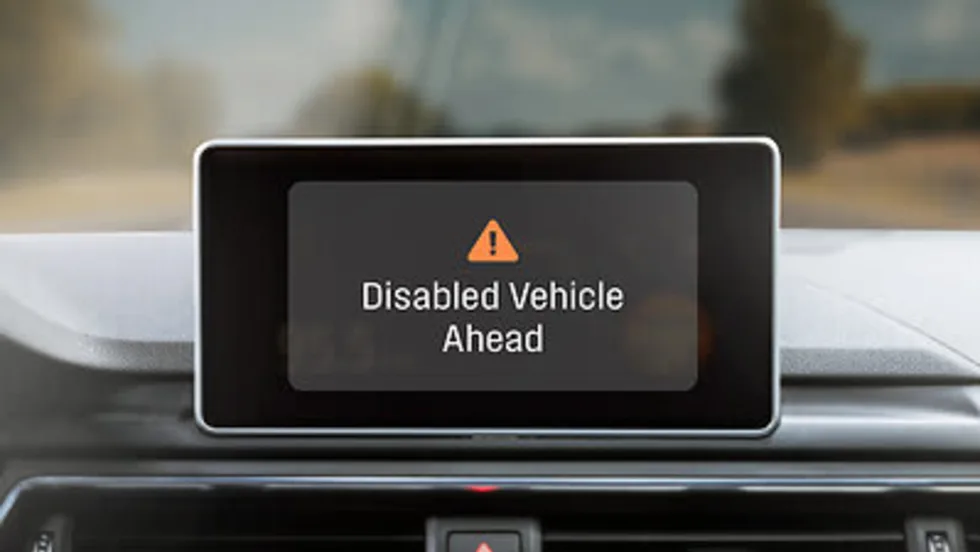
Roadside Warnings Debut
Mazda works with AAA and a technology company to alert passersby to stranded vehicles from its lineup, for both parties’ safety.
Read More →
AI As Trainer?
This month, Agent Entrepreneur Editor Hannah Mitchell shares an artificial-intelligence development that could upend traditional dealership training.
Read More →
A Lingering Auto Tech Divide
Automakers still struggle to hit consumers’ sweet spot, hanging onto the despised touchscreen and adding other complex systems while simple, effective details hit the mark.
Read More →
AI, China and the Next Wave of Auto Retail Innovation
F&I sits at the center of the changes expected to sweep the industry in just the new few years as new players change the game.
Read More →
That Bot Can Do a Lot
Artificial intelligence was all the buzz at the 2026 Agent Summit. A panel of tech specialists broke through the noise to give agents guidance on steering dealer clients.
Read More →
Cyber F&I
Your dealer clients could only benefit from showcasing products on their websites along with vehicle inventory. Modern consumers expect to be informed and are more likely to buy products when they are.
Read More →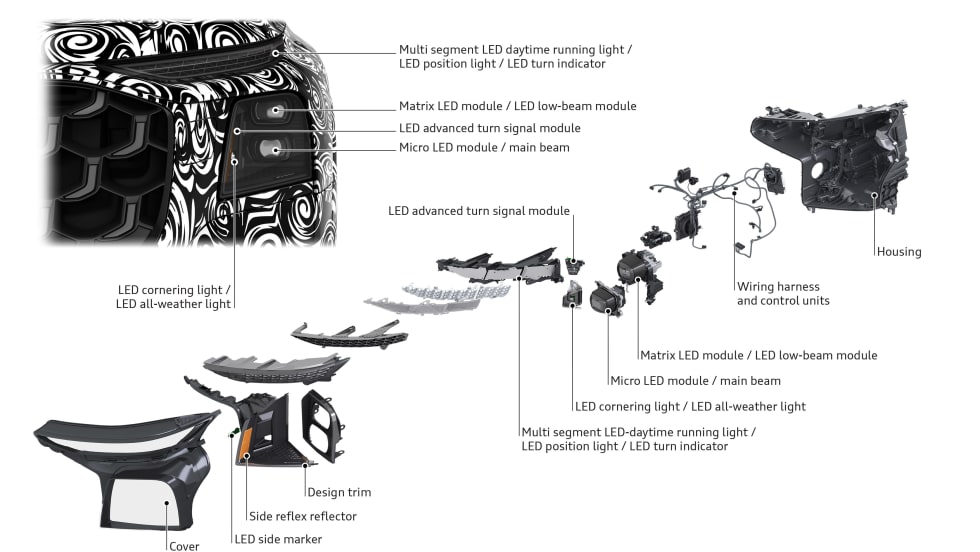
Road Glare to Drop a Notch?
Audi is preparing two SUV models for the American market with the automaker’s adaptive LED headlights. Its technology is designed to reduce brightness for other drivers, a growing complaint among U.S. motorists.
Read More →
AppOne Partners With RouteOne for E-Contracting Solution
By digitizing the entire contracting and funding process, the company says auto dealers can eliminate frustrating and disorganized manual processes.
Read More →