



ACC II Adoption Can Cut Consumer Costs, Slash Emissions
Policymakers must do their part and update building codes, improve utility planning and implement clean-energy standards to fully realize ACC II benefits.

Kindel Media
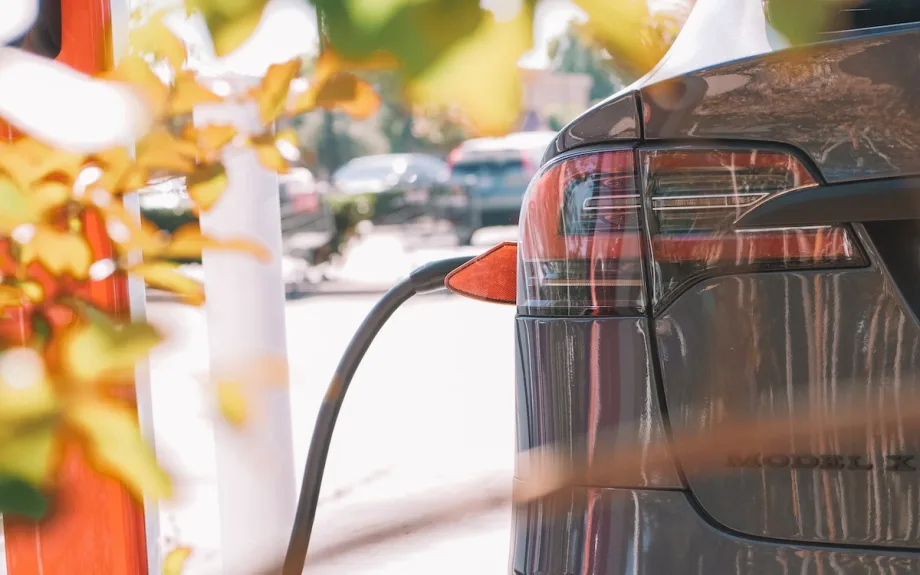
California’s Advanced Clean Cars II, or ACC II, rule is expected to accelerate electric vehicle deployment, deliver hundreds of dollars in annual consumer savings, and cut U.S. greenhouse gas emissions, finds a recent Forbes article.
The publication reported that 17 states—nearly 38% of the U.S. car market—are contemplating or have already adopted ACC II standards. If all adopt ACC II standards, over 75% of U.S. cars could be EVs by 2050, according to New Energy Innovation Policy & Technology LLC modeling. The open-source Energy Policy Simulator model predicts how accelerated EV adoption might impact GHG emissions, the economy, and public health.
According to the modeling, ACC II adoption could:
Save households over $600 per year, depending on the state
Help the country avoid 1.3 billion tons of carbon pollution by 2050
Generate significant public health benefits, including preventing approximately 5,000 premature deaths from air pollution and 161,000 asthma attacks in 2050
Create nearly 300,000 additional jobs
Adopted by California in August, ACC II sets a gradually increasing requirement for sales of zero-emission vehicles up to 100% by 2035. The policy is expected to lead to nearly 100% of EV sales in any jurisdiction that applies it because of the expected lower cost of EVs compared to other ZEVs, such as plug-in hybrids and fuel cell vehicles.
Successful ACC II adoption will require states to do their part to ensure equitable access to EVs, particularly for low-income households. States also must continue to support charging infrastructure deployment, especially in underserved communities. According to the Forbes article, policymakers will need to ready their states for more EV adoption by:
Updating building codes
Improving utility planning
Implementing clean-energy standards
Originally posted on Auto Dealer Today
More Product & Technology
Computer Headaches on the Road
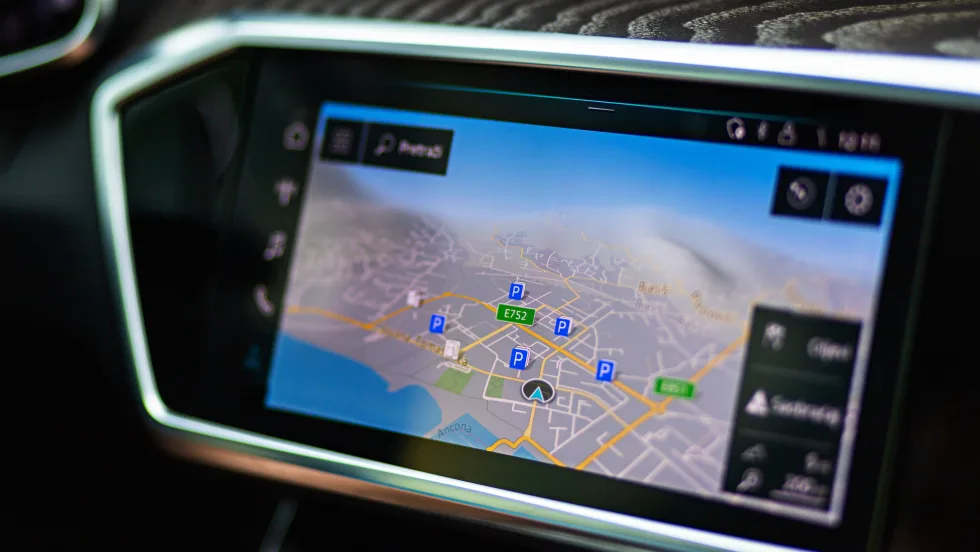
Consumers keep complaining about new cars’ infotainment tech, but are automakers listening? A recent survey shows regression except for mapping and speakers.
Read More →
Another Death Tied to Imported Air Bags
The Texas traffic fatality is the 11th federal regulators have connected to defective inflators imported from China. They urge that a certain population of used vehicles be inspected.
Read More →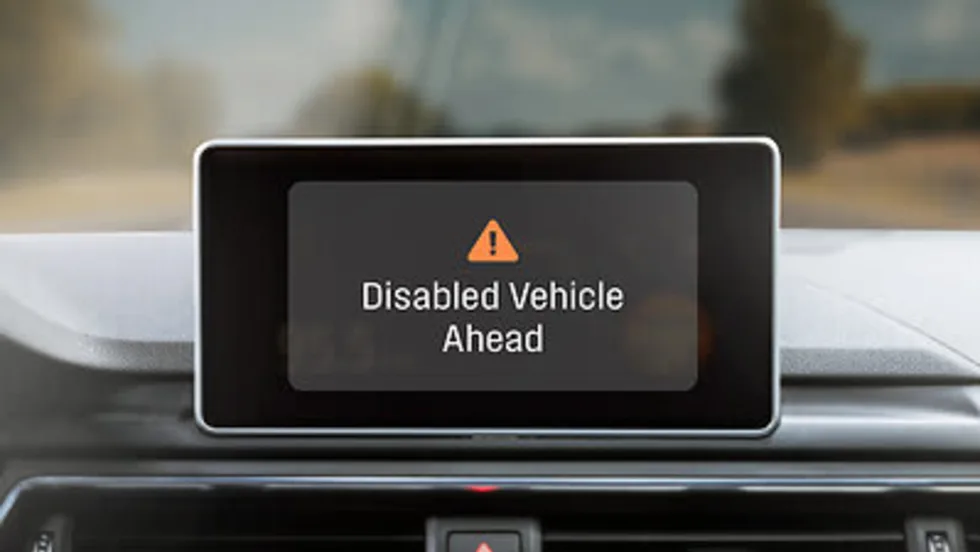
Roadside Warnings Debut
Mazda works with AAA and a technology company to alert passersby to stranded vehicles from its lineup, for both parties’ safety.
Read More →
AI As Trainer?
This month, Agent Entrepreneur Editor Hannah Mitchell shares an artificial-intelligence development that could upend traditional dealership training.
Read More →
A Lingering Auto Tech Divide
Automakers still struggle to hit consumers’ sweet spot, hanging onto the despised touchscreen and adding other complex systems while simple, effective details hit the mark.
Read More →
AI, China and the Next Wave of Auto Retail Innovation
F&I sits at the center of the changes expected to sweep the industry in just the new few years as new players change the game.
Read More →
That Bot Can Do a Lot
Artificial intelligence was all the buzz at the 2026 Agent Summit. A panel of tech specialists broke through the noise to give agents guidance on steering dealer clients.
Read More →
Cyber F&I
Your dealer clients could only benefit from showcasing products on their websites along with vehicle inventory. Modern consumers expect to be informed and are more likely to buy products when they are.
Read More →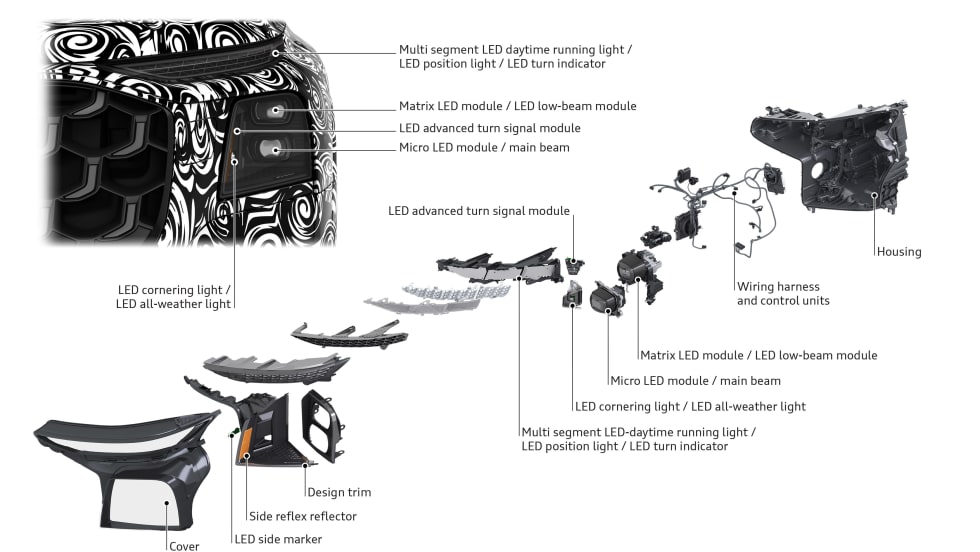
Road Glare to Drop a Notch?
Audi is preparing two SUV models for the American market with the automaker’s adaptive LED headlights. Its technology is designed to reduce brightness for other drivers, a growing complaint among U.S. motorists.
Read More →
AppOne Partners With RouteOne for E-Contracting Solution
By digitizing the entire contracting and funding process, the company says auto dealers can eliminate frustrating and disorganized manual processes.
Read More →