



Selling in Tough Times


Selling in Tough Times
It doesn’t take a mathematician to see how competitive the market has become. And modern cars, once built, have an extremely long shelf life compared with the cars of the past. With decent care, they can last 15-plus years and more than 200,000 miles. Some people simply won’t purchase a new vehicle until their old one wears out, or it needs a monthly influx of repair money that’s larger than a new car payment. Others take extremely good care of their vehicles hoping for larger trade-in amounts than are realistic. Some are downsizing for economy’s sake yet may not really be happy with something smaller after they’ve been driving a large SUV for years. Yet others who used to trade in their vehicles every 2-3 years are hanging on to them longer thus negatively impacting repeat business with them.
Let’s face it. Being an automotive salesperson today can be a pretty challenging job. With so many changes going on in the industry — manufacturers trying to figure out how to come out on top of the recession, dealers getting creative with offers, and so on — the information needed to do the job well changes on an almost daily basis. Some days they are expected to walk a fine line to keep everyone happy.
But one thing does not change: no matter what the news reports say, no matter what the manager tells the sales team, every word they utter and every sale they make must truly be good for the client. That never changes. If they will stick to that as their foundational ethic in automotive sales, they will not only survive these tough times, but thrive as the economy turns around.
Train them to repeat the mantra “good for them, good for them, good for them” in their head as they meet with, talk with and demonstrate vehicles to clients new and old. If they do that, their name will be passed among their clients’ friends and relatives as someone who is “one of the good guys (or gals) in the automotive field.” They will not only earn repeat business, but the business of nearly everyone those clients know; that type of referral business is what will keep sales people afloat during tough times.
Face it, the title “automotive sales person” is likely to conjure up a negative gut reaction in many potential new clients. As much as everyone enjoys the benefits of owning a vehicle, not many seem to really enjoy the process of getting one. Yet the need—the desire—to own those benefits keeps them coming, doesn’t it? The sales person’s job is to make the buying experience pleasant enough that clients want to come back over and over again.
Even with the inroads in public transportation and today’s tighter restrictions on lending, people still have a need for and ability to own automobiles. It is their job to educate young or first-time buyers on the nuances of getting a vehicle loan and how to establish credit. To help those clients understand what amount they might qualify for or whether or not they’ll need a co-signer in advance of showing them any vehicles. Don’t let them get their hearts (or egos) set on something they have no way of owning. A good sales person helps them with finding a “starter” car, just as real estate agents help people get into “starter homes.” If they handle this correctly, once their credit is established and/or they earn higher incomes, that sales person will be the one they turn to for their next purchase, which might very well be the car of their dreams.
With any potential client, I recommend teaching a three-pronged approach.
1. Help them find a vehicle that is a bit less than they can afford.
2. Show them one that is most likely ideal for their situation.
3. Show them one that’s a little more than they want to invest.
In the majority of the cases, buyers go with the middle one, and that’s fine. However, there will be a certain group of people who will find a way to stretch their resources for that nicer vehicle. And, there will be those whose fears cause them to go for the lesser vehicle — for now. The sales person’s concern for and ability to provide them with the opportunity to “shop around” right there in the dealership will often short-circuit the desire to keep visiting other dealerships.
When times get tough, smart salespeople get creative. They know people are fearful of making financial commitments. They know some can’t qualify for what they want. They know some are hesitant to give up old vehicles even though they may not be as reliable as something newer. That sales person’s job is to make the process of making a decision that is “good for them” a pleasant one.
More Sales

September Payments Reach New Heights
Despite lower interest rates and longer loan terms, the average new-vehicle monthly payment continues to climb, and transaction prices remain high.
Read More →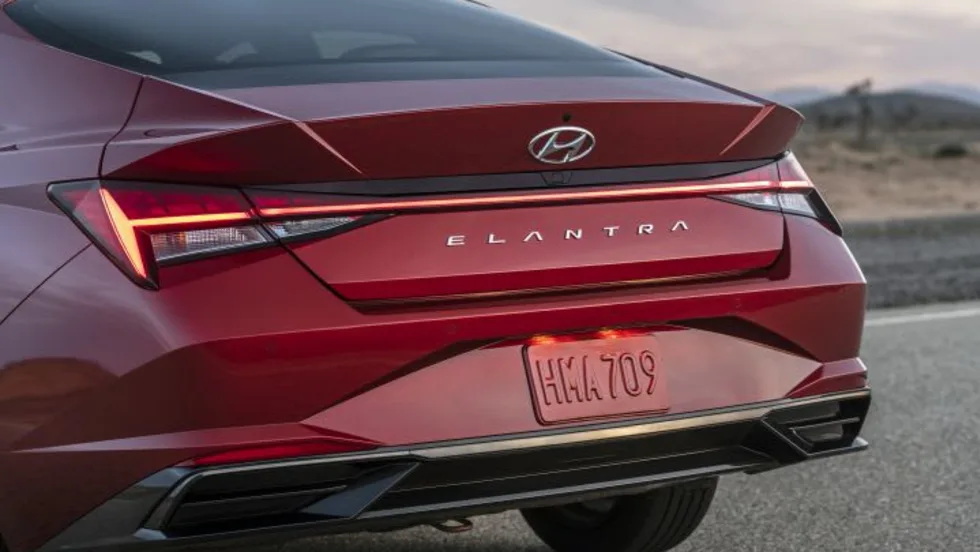
Used Lots Getting the Business
Many consumers are seeking out the units to save money, and the demand – higher in July than normal – is keeping supply limited and prices up.
Read More →
Two Kinds of Agents and the 5 Ps That Separate Them
Follow these key guidelines to distinguish your agency from competitors by adding more value to your dealer clients' businesses.
Read More →
Positive Equity Reaches Record High
Mainstream vehicle owners who bought a car seven years ago are likely to have positive equity when trading in for a new vehicle, according to second-quarter Edmunds data.
Read More →
Used Market Stabilizes
The Carfax Used Car Index noted a major drop in used-vehicle price increases in July after several months of hikes.
Read More →
July Auto Sales Simmer
Deliveries were up modestly from a year ago despite still-high prices as OEMs offered more incentives and loan rates eased somewhat.
Read More →
Used Sales Hit Summer Drag
The vacation season, combined with high prices, has dented deliveries and added to inventories, though supply is still slim enough to keep listings elevated.
Read More →
June Automotive Boon?
A forecast for this month’s new-vehicle sales tells a familiar 2026 story: Year-over-year comparisons must be made in light of last year’s aberrations.
Read More →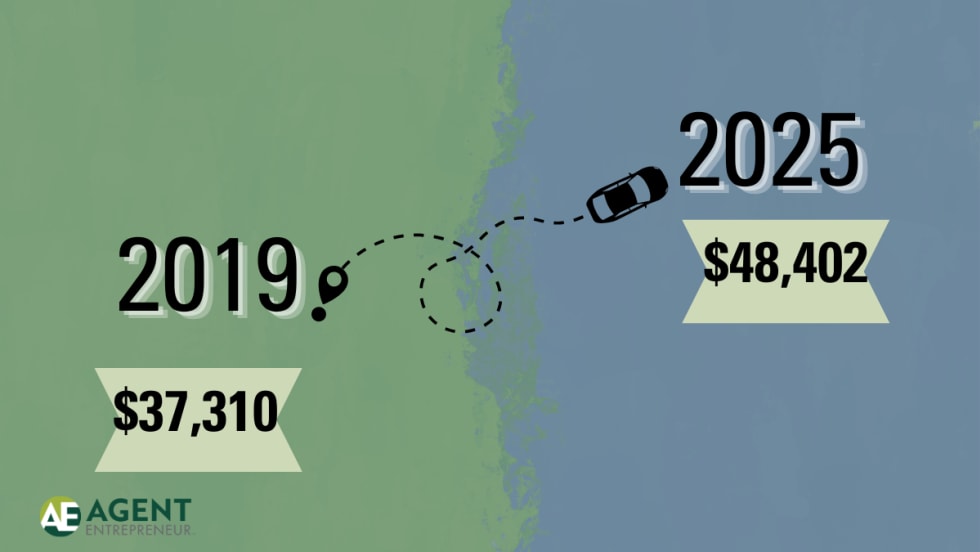
Affordable New Cars a Thing of the Past
More than one out of five new vehicles sell for more than $60,000, according to Edmunds. That's up 7% compared to prepandemic 2019.
Read More →
Legacy Automakers Risk Falling Behind
As legacy automakers, mostly in the U.S. and Japan, have revised their 2030 electric-vehicle sales targets and shifted to a hybrid focus, they risk falling behind new market leaders.
Read More →