



Safety Recalls: Think You're Covered?
As state and federal regulations continue to evolve, it is crucial you ensure your dealership is selling above the line and paying attention to all safety recalls.

As state and federal regulations continue to evolve, it is crucial you ensure your dealership is selling above the line and paying attention to all safety recalls.
Image by shaunl via Getty Images
If you are relying on National Highway Transportation Safety Administration’s (NHTSA) SaferCar.gov (or any one source) to check for safety recalls, you may want to think again.
Hope is not a strategy: Assuming ‘someone’ is looking out for safety recalls is fraught with problems. What happens when that ‘someone’ gets really busy or goes on vacation?
Although this appears to be ‘old news,’ the issues identified have been important for years — and each time, NHTSA says it’s working to improve.
We still see ‘false negatives’ all the time: SaferCar.gov says vehicles are safe to sell, when they’re not. We have a lot of proof points on this topic.
In 2015, NHTSA was dinged by the Department of Transportation’s Inspector General … their response? “We’re working on it.” Later, in 2018, they were dinged gain. Still, NHTSA says, “We’re working on it.”
Increasing State & Federal Regulations
Expanding legislation that adds re- strictions on advertising, disclosing, selling, loaning or renting vehicleswith open safety recalls at the federal and state levels. That coupled with systemic recall status errors and timing delays among the vehicle manufacturers (OEMs) and the National Highway Traffic Safety Administration (NHTSA), creates confusion and liability risk for dealers that manage safety recalls on their inventories.
Recent legislation in Tennesseeand Pennsylvania makes it illegal to sell (even used, off-brand) vehicles with an open safety recall, under stop-sale, or do-not-drive orders. It may come to your state, too. There are risks and opportunities with this type of legislation, which is a win-win for consumers and dealers.
Things are especially important now. Since 2016, the Federal Trade Commission (FTC) has taken actions against dealers in states with no disclosure laws.
Complying with legislation that requires disclosure, stop-sale, or grounding of open-recalled vehicles for rentals and loaners, is time-consuming and in some cases, seems nearly impossible. Stop Sale orders are not available through MHTSA’s SaferCar.gov or OEMs VIN-verification sites, so how is a dealer to know?
Liability and Financial Impacts to Dealerships
Dealership owners and executives recognize that recalls represent a serious and ongoing liability and financial threat to their operations. It is ever-more critical to have business intelligence in place for an on-demand review of these impacts so you can take immediate corrective action. It will become even more important should the economy turn.
So what is a dealer to do?
Hope is not a strategy: Assuming ‘someone’ is looking out for safety recalls is fraught with problems. What happens when that ‘someone’ gets really busy or goes on vacation?
Many dealers are stuck with flawed sources for off-brand parts. You may only use it when you acquire and retail vehicles. Finding out at time of sale can cost sales and your CSI. Not finding out at time of sale is even worse!
There are a few simple things you can do to protect yourself and your customers:
Determine your goals, relative to safety recalls.
Discuss this with your attorney.
Develop a (or review your) written safety recall management policy.
Assign a ‘safety recall point person’ and a back-up person.
Make a point to MANAGE safety recalls while in inventory, not just at acquisition and upon sale.
Check multiple sources, at least once/day/VIN (Hint: Automate this!).
Print disclosure statements for every vehicle sold.
Communicate your daily list of vehicles with open safety recalls so everyone is on the same page. This way, one doesn’t slip through and that those with open safety recalls are addressed.
Ensure you have an “on demand” way to know your liability and financial impacts due to safety recalls, that can providespecific and actionable recommendations, to improve performance.
Mark Paul is the CEO of AutoAp Inc.
Originally posted on Auto Dealer Today
More Product & Technology
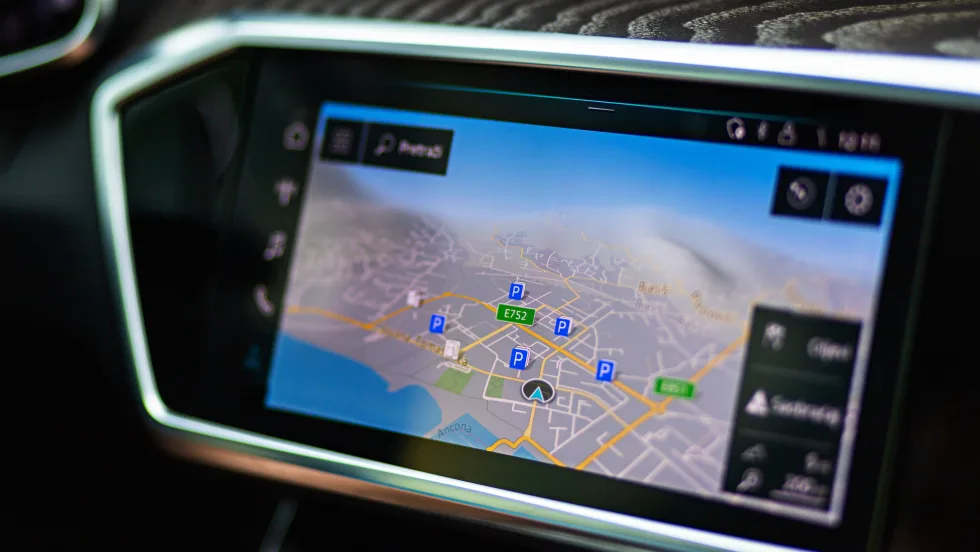
Computer Headaches on the Road
Consumers keep complaining about new cars’ infotainment tech, but are automakers listening? A recent survey shows regression except for mapping and speakers.
Read More →
Another Death Tied to Imported Air Bags
The Texas traffic fatality is the 11th federal regulators have connected to defective inflators imported from China. They urge that a certain population of used vehicles be inspected.
Read More →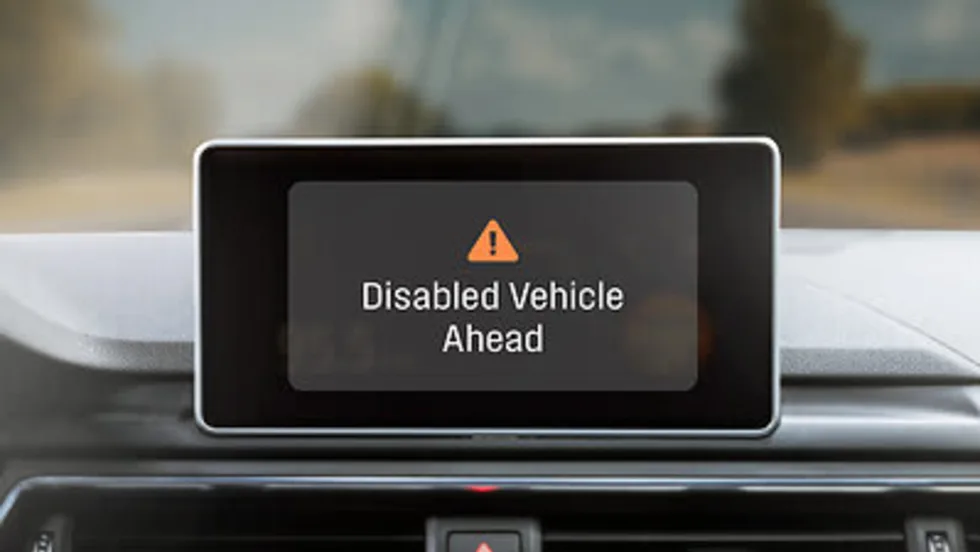
Roadside Warnings Debut
Mazda works with AAA and a technology company to alert passersby to stranded vehicles from its lineup, for both parties’ safety.
Read More →
AI As Trainer?
This month, Agent Entrepreneur Editor Hannah Mitchell shares an artificial-intelligence development that could upend traditional dealership training.
Read More →
A Lingering Auto Tech Divide
Automakers still struggle to hit consumers’ sweet spot, hanging onto the despised touchscreen and adding other complex systems while simple, effective details hit the mark.
Read More →
AI, China and the Next Wave of Auto Retail Innovation
F&I sits at the center of the changes expected to sweep the industry in just the new few years as new players change the game.
Read More →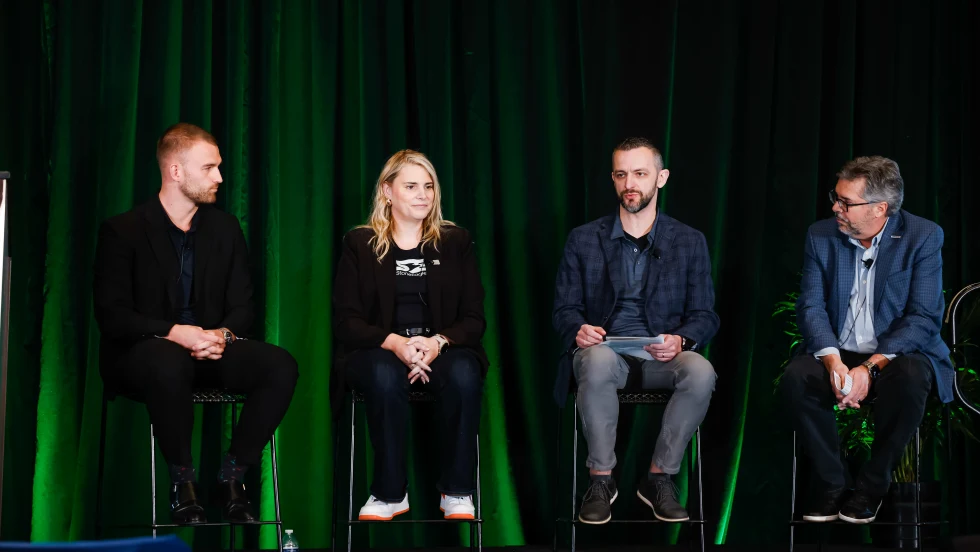
That Bot Can Do a Lot
Artificial intelligence was all the buzz at the 2026 Agent Summit. A panel of tech specialists broke through the noise to give agents guidance on steering dealer clients.
Read More →
Cyber F&I
Your dealer clients could only benefit from showcasing products on their websites along with vehicle inventory. Modern consumers expect to be informed and are more likely to buy products when they are.
Read More →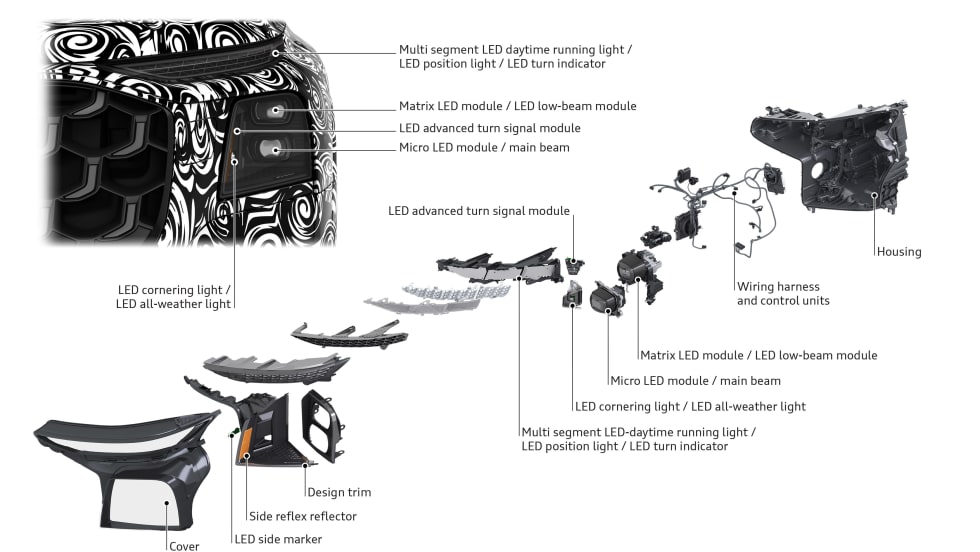
Road Glare to Drop a Notch?
Audi is preparing two SUV models for the American market with the automaker’s adaptive LED headlights. Its technology is designed to reduce brightness for other drivers, a growing complaint among U.S. motorists.
Read More →
AppOne Partners With RouteOne for E-Contracting Solution
By digitizing the entire contracting and funding process, the company says auto dealers can eliminate frustrating and disorganized manual processes.
Read More →