



Objections Equal Desire


Objections Equal Desire
Early in my selling career, I had this dream. In it, I met with a married couple to offer my product - and they were so wonderful! They thoroughly enjoyed my presentation. They agreed to everything I mentioned. They didn’t ask any questions or give any objections. The whole transaction was completed and in record time. They approved everything, gave me several qualified leads and thanked me as they left my office. What a wonderful dream!
Somehow, I don’t think I was alone in having a dream of that sort. Most new salespeople think that’s what selling is like. Unfortunately, some veteran salespeople keep looking for that dream to come true as well, and it holds them back from achieving the level of success that’s possible with a bit of education.
I begin every seminar by reminding my students that there are seven steps in the selling process.
Prospecting
Original Contact
Qualification
Presentation
Handling Objections
Closing
Getting Referrals
Please take note that handling objections is a step. It shouldn’t come as a surprise to any salesperson.
Understanding how to handle objections is critical to your success. But, before we go any further, let me help you change your perspective about them. When you hear the word “objection,” do you think of lawyers jumping out of their seats on television? They’re effectively stopping the forward movement of a trial. It’s an interruption.
It’s human nature to object, hesitate, stall or procrastinate when making any decision that impacts our money. We have to feel absolutely confident that what we are replacing that money with will give us all the benefits we want. I know that’s true about me, so why should I expect my prospective clients to be any different?
My success rate in sales increased tremendously when I came to expect to hear concerns instead of fearing them. When I began to listen for them, to anticipate their arrival, I was amazed to learn that I was hearing basically the same three or four concerns in nearly every situation. That’s when I began doing some serious analysis. I spent a few hours thinking about each of those concerns. Why were my prospects saying these things and what could I do or say to help them get comfortably past these points?
I began by putting myself in their positions and discovered most prospects were objecting because of one basic emotion that was being triggered: FEAR. They were afraid to make an irreversible decision. They were afraid to make a commitment with their money. They were afraid the product wouldn’t live up to their expectations. They were afraid I was a “take-the-money-and-run” salesperson whom they’d never be able to reach again when they had questions about my product after they owned it.
You see, concerns are defense mechanisms. They are ways for clients to tell you you’re moving too fast. They are ways the clients tell you they need more information before they can feel confident about going ahead with the vehicle.
I teach two don'ts and one do for handling every concern.
DON’T argue. If this sounds silly to you, good. You already know this. But, even though you know it, do you fight with them in the back of your mind? If you do, eventually it will begin to show. When potential buyers object, they’re asking for more information. If the salesperson gets upset, sarcastic or applies pressure, he or she is, in essence, killing the sale.
DON’T attack when you address concerns. Learn to develop a sensitivity as to how your potential buyers feel when they voice their concerns. Show your own concern for helping them, not a determination to prove them wrong. If you start fighting their feelings, their negative emotions will take over. Defense barriers will go up and you’ll have to work twice as hard to earn their business.
DO lead them to address their own concerns. A true professional always tries to help buyers answer their own objections. Most prospects will do just that given time and a little more information. After all, deep down they want to go ahead. They wouldn’t waste their time objecting to something they didn’t want to own, would they? So, your job when you hear a concern is to ask the client to elaborate on it. Say something like this, “Mrs. Smith, obviously you have a reason for saying that. Would you mind sharing it with me?” This will get her talking about what’s behind her concern. Once you understand what’s really holding her back, you’ll be able to address that issue.
In many cases, when clients do elaborate on what’s bothering them, they’ll talk themselves right through the concern and set it aside without you ever having to say anything. Oftentimes, addressing a concern only involves reviewing points you already covered in a brief summary of your presentation.
The key is to stay calm and keep questioning what’s holding them back in a gentle, concerned manner until you find the real concern. Then, you address it and move on to closing the transaction.
More Sales

September Payments Reach New Heights
Despite lower interest rates and longer loan terms, the average new-vehicle monthly payment continues to climb, and transaction prices remain high.
Read More →
Used Lots Getting the Business
Many consumers are seeking out the units to save money, and the demand – higher in July than normal – is keeping supply limited and prices up.
Read More →
Two Kinds of Agents and the 5 Ps That Separate Them
Follow these key guidelines to distinguish your agency from competitors by adding more value to your dealer clients' businesses.
Read More →
Positive Equity Reaches Record High
Mainstream vehicle owners who bought a car seven years ago are likely to have positive equity when trading in for a new vehicle, according to second-quarter Edmunds data.
Read More →
Used Market Stabilizes
The Carfax Used Car Index noted a major drop in used-vehicle price increases in July after several months of hikes.
Read More →
July Auto Sales Simmer
Deliveries were up modestly from a year ago despite still-high prices as OEMs offered more incentives and loan rates eased somewhat.
Read More →
Used Sales Hit Summer Drag
The vacation season, combined with high prices, has dented deliveries and added to inventories, though supply is still slim enough to keep listings elevated.
Read More →
June Automotive Boon?
A forecast for this month’s new-vehicle sales tells a familiar 2026 story: Year-over-year comparisons must be made in light of last year’s aberrations.
Read More →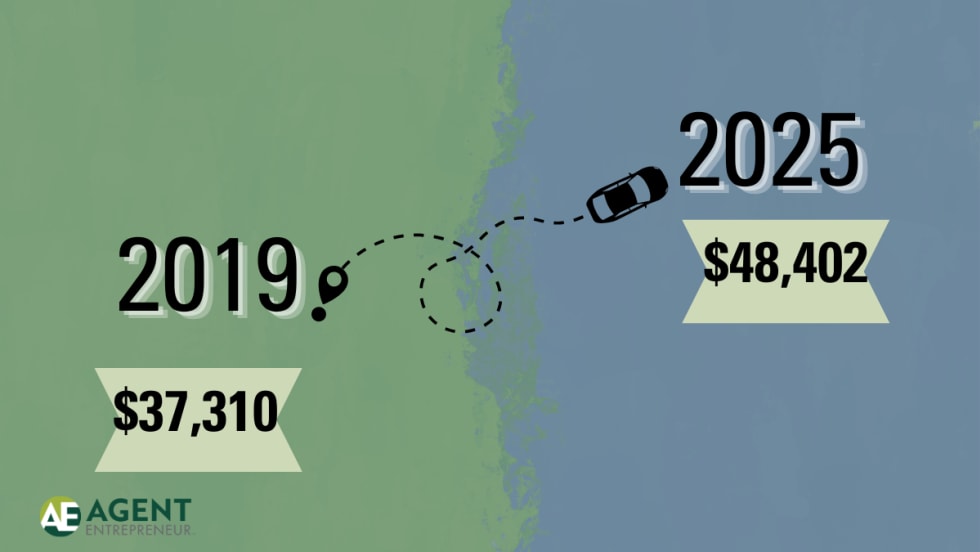
Affordable New Cars a Thing of the Past
More than one out of five new vehicles sell for more than $60,000, according to Edmunds. That's up 7% compared to prepandemic 2019.
Read More →
Legacy Automakers Risk Falling Behind
As legacy automakers, mostly in the U.S. and Japan, have revised their 2030 electric-vehicle sales targets and shifted to a hybrid focus, they risk falling behind new market leaders.
Read More →