



New Technology Doesn't Make You Compliant


New Technology Doesn't Make You Compliant
Recently, I was visiting with a dealer and the recent rash of articles concerning compliance came up. As I shared what I knew on the subject and the current climate concerning fines and penalties, the dealer sat back, smiled and said, “I’m good. We use a menu.”
Since I was there to train the F&I managers (there were seven), I thought I’d take a look at the process in the store to make sure things were compliant. With the dealer’s support and permission, I pulled five random deals for each of the managers. What I found was that, while there was menu use, it was clear there were serious compliance issues.
Starting the Investigation
In looking through the deals, it became clear that the sales desk was packing payments and starting with higher than average rates without any type of disclosure. They were also limiting the F&I managers’ time to fully present menus and disclose how payments and terms were calculated.
After my initial investigation, I took the time to properly train the F&I managers to be able to present full menus effectively and in a timely manner. Part of that process was insisting that customers be interviewed on the showroom floor at the sales person’s desk. This met with a great deal of resistance and, ultimately, a showdown with the dealer and top management.
The dealer made it clear that he was very committed to being compliant and that his managers were clearly aware of this. But being aware and actually practicing compliance are two totally different worlds. Needless to say, this wasn’t a pleasant meeting.
Initially, I sat with the dealer and explained that I had now instituted a process within F&I that ensures compliance with the proper use of the menu. Now that the F&I managers understand how to interview and present the menu, they can see they have the time and that doing it correctly will actually improve penetration and profitability. I assured him that F&I was now totally compliant.
He then asked if there was something I wasn’t telling him. At first, I hesitated, since I was there exclusively to train his F&I department in using our menu. But he insisted on a full explanation. I shared that his sales desk, under the instructions of the GM, was packing and ranging payments with absolutely no disclosure of the products hidden in the payments. After a few minutes, he paused, picked up the phone and called the GM into his office.
When confronted with what I found, the GM became extremely defensive and even began justifying why he had to pack payments. He even went so far as to say that, if anyone came and checked, he could use the “signed” menus as proof that nothing funny was going on. The dealer looked to me to either support or expose that statement. I told them that the worksheets showing payment ranges would be more than enough to warrant investigation and would be used as evidence should this matter get to court.
Rely on the Process
You would think, at this point, the GM would surrender and comply. Not a chance. He actually suggested to the dealer that this could all be solved if we went into the files and destroyed the worksheets. That way, we could still use the menus as evidence of compliance. I’ve been in this game nearly 40 years. That statement was a first.
The dealer turned and asked me for a real solution. I explained how sales desking software set for full-disclosure selling that would transition deals straight to the menu would be a great first step. But I cautioned him that, just like the menu, software in and of itself is not the failsafe to protect the dealership from exposure. It has to be accompanied by a fluid process that allows the sales people to present facts, close the deal and introduce the customer to finance.
There has to be a process, a level of real accountability and dealer support before anything can change. Then and only then can software be installed to really do what it is intended to do. Dealers and managers must truly understand that software, properly designed and installed, is not a sunk cost. It is an investment that can generate a measurable return — provided there is an enforced process behind it.
More Product & Technology

Computer Headaches on the Road
Consumers keep complaining about new cars’ infotainment tech, but are automakers listening? A recent survey shows regression except for mapping and speakers.
Read More →
Another Death Tied to Imported Air Bags
The Texas traffic fatality is the 11th federal regulators have connected to defective inflators imported from China. They urge that a certain population of used vehicles be inspected.
Read More →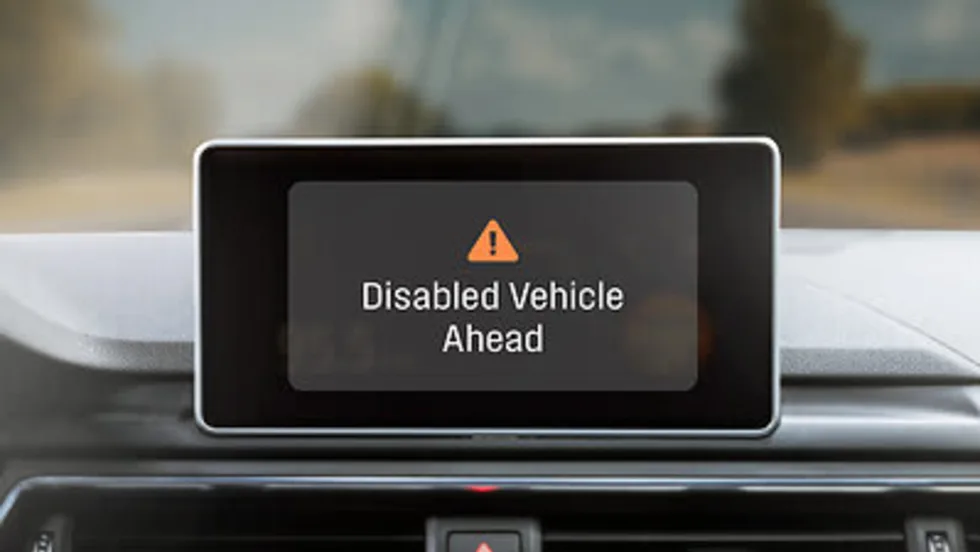
Roadside Warnings Debut
Mazda works with AAA and a technology company to alert passersby to stranded vehicles from its lineup, for both parties’ safety.
Read More →
AI As Trainer?
This month, Agent Entrepreneur Editor Hannah Mitchell shares an artificial-intelligence development that could upend traditional dealership training.
Read More →
A Lingering Auto Tech Divide
Automakers still struggle to hit consumers’ sweet spot, hanging onto the despised touchscreen and adding other complex systems while simple, effective details hit the mark.
Read More →
AI, China and the Next Wave of Auto Retail Innovation
F&I sits at the center of the changes expected to sweep the industry in just the new few years as new players change the game.
Read More →
That Bot Can Do a Lot
Artificial intelligence was all the buzz at the 2026 Agent Summit. A panel of tech specialists broke through the noise to give agents guidance on steering dealer clients.
Read More →
Cyber F&I
Your dealer clients could only benefit from showcasing products on their websites along with vehicle inventory. Modern consumers expect to be informed and are more likely to buy products when they are.
Read More →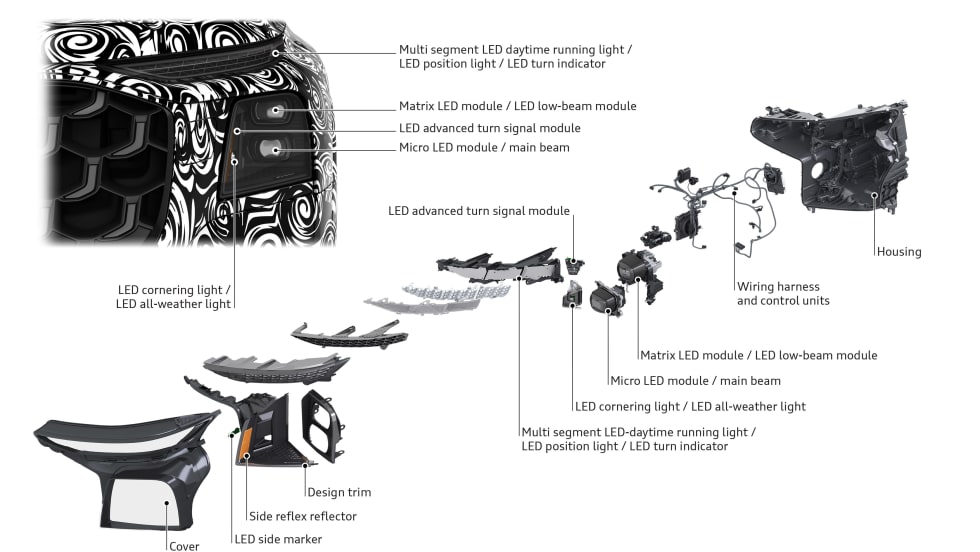
Road Glare to Drop a Notch?
Audi is preparing two SUV models for the American market with the automaker’s adaptive LED headlights. Its technology is designed to reduce brightness for other drivers, a growing complaint among U.S. motorists.
Read More →
AppOne Partners With RouteOne for E-Contracting Solution
By digitizing the entire contracting and funding process, the company says auto dealers can eliminate frustrating and disorganized manual processes.
Read More →