



Instant Verification Technology Helps Dealers and Lenders During COVID-19
Buying behaviors may change for a growing number of potential car shoppers, many who have lost jobs or been furloughed due to the economic fallout of the pandemic. As more lenders rely on advanced real-time data, they may mitigate risk and put themselves in a better competitive position.

Buying behaviors may change for a growing number of potential car shoppers, many who have lost jobs or been furloughed due to the economic fallout of the pandemic. As more lenders rely on advanced real-time data, they may mitigate risk and put themselves in a better competitive position.
IMAGE: TOMMY via GettyImages.com
While the COVID-19 pandemic rolls through summer, dealers and lenders are continuing to work with consumers who are going through fluctuating financial pressures and trying to keep operations going, while their employees adapt and adjust to shifting community orders.
Today’s world of automotive shopping is quickly changing due not only to evolving consumer preferences, but health concerns that are rapidly forcing dealers and lenders to evolve their business models.
While vehicle sales declined rapidly in the early months of the pandemic, sales rebounded noticeably through June. However, the industry continues to keep a watchful eye, as analysts believe the rebound will be tempered by a second rising of COVID-19 cases.
Buying behaviors may change for a growing number of potential car shoppers, many who have lost jobs or been furloughed due to the economic fallout of the pandemic.
Unemployment and other financial strains related to the pandemic means used vehicles will likely be in demand as consumers begin to purchase again. During this time, dealers and lenders can greatly benefit from advanced, real-time data that includes income and employment verifications to help with lending and business planning decisions for their portfolios.
Strong Focus on the New Credit Spectrum
The effects of the current economic disruption are likely going to result in many car shoppers who find themselves in a different credit standing. It will be important for lenders and their dealer partners to better understand their customers’ unique situations to help them with financing for a new vehicle.
Delinquencies are a primary data set in evaluating a person’s ability to pay their auto loan. In Q1, delinquencies were mostly in check but showing signs of a slight increase. Delinquency data may actually show a decrease in the near term due to deferment programs being made widely available. In fact, OneMain Holdings, which makes personal loans for cars, said recently in The Wall Street Journal that while 30- to 89-day delinquencies were up 0.32 percentage points in the second half of March compared to last year, in April the increase softened to only 0.15 points. This decline is largely attributed to deferment programs and government stimulus checks.
Leveraging real-time data right now can help provide proactive insights into what portions of a lender portfolio need immediate attention, as well as help get the most current picture of a borrower’s risk levels. Using the right tools to help rapidly adapt to a changing landscape will set lenders apart and help consumers through these difficult times.
Subprime auto lending delivers a viable second chance for many consumers who may have made credit mistakes in the past and have since rebuilt their financial and credit risk standing.
Today’s Car Buying Journey
Even before the pandemic, the buyer’s journey was fragmented, time-consuming, and burdensome. Consumers grew frustrated of the lengthy process. In fact, industry research from Cox Automotive shows that 90% of car buyers expect an extremely efficient purchasing process.
Dealers and lenders will need to balance a faster transaction time with a more transparent online and contactless experience that reduces friction – all while helping the consumer with appropriate financing for the vehicle that meets their needs. This will be especially important when lenders and dealers only spend minutes face-to-face or during the application process.
The Critical Role of Real-Time Verifications
Central to speeding up this transaction and experience will be the use of advanced real-time income and employment verifications, which helps dealers verify applicant-provided information, potentially avoid contract buybacks, and clear lender stipulations. Leveraging instant income and employment information from external sources provides numerous benefits to lenders and borrowers, including accelerated closed deals.
Many auto lenders still rely on traditional credit scores and applicant-reported details to determine creditworthiness or to predict the stability of loans. However, relying solely on credit scores may not give a comprehensive view of credit risk. Not all consumers behave as their credit scores might indicate, especially when economic conditions may cause setbacks that impair credit.
Data sources such as income and employment information, in addition to credit scores, provide timely insights into borrowers’ qualifications. Verifying income and employment information provided by an application can help provide a more complete picture of the borrower, potentially identifying or mitigating risk.
Today’s world of automotive shopping is quickly changing due not only to evolving consumer preferences, but health concerns that are rapidly forcing dealers and lenders to evolve their business models. As more lenders rely on advanced real-time data such as income and employment verifications and other alternative data insights, they may mitigate risk and put themselves in a better competitive position.
Jennifer “Jenn” Reid is vice president – automotive marketing and strategy leader – U.S. Information Solutions. With nearly two decades worth of experience in automotive on dealer, lender and information services sides, Reid is responsible for the development of Equifax’s automotive growth strategies, as well as overseeing specific marketing plans and initiatives.
Originally posted on F&I and Showroom
More Product & Technology
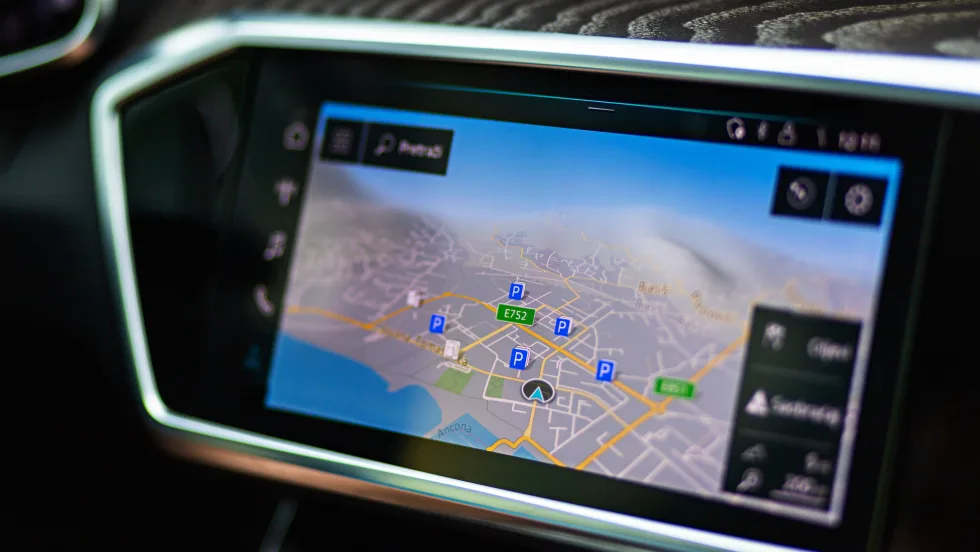
Computer Headaches on the Road
Consumers keep complaining about new cars’ infotainment tech, but are automakers listening? A recent survey shows regression except for mapping and speakers.
Read More →
Another Death Tied to Imported Air Bags
The Texas traffic fatality is the 11th federal regulators have connected to defective inflators imported from China. They urge that a certain population of used vehicles be inspected.
Read More →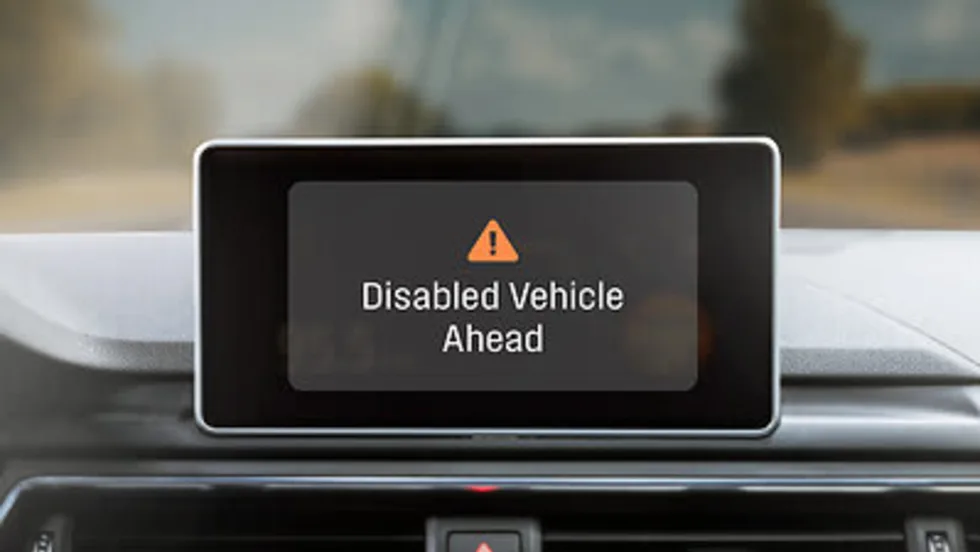
Roadside Warnings Debut
Mazda works with AAA and a technology company to alert passersby to stranded vehicles from its lineup, for both parties’ safety.
Read More →
AI As Trainer?
This month, Agent Entrepreneur Editor Hannah Mitchell shares an artificial-intelligence development that could upend traditional dealership training.
Read More →
A Lingering Auto Tech Divide
Automakers still struggle to hit consumers’ sweet spot, hanging onto the despised touchscreen and adding other complex systems while simple, effective details hit the mark.
Read More →
AI, China and the Next Wave of Auto Retail Innovation
F&I sits at the center of the changes expected to sweep the industry in just the new few years as new players change the game.
Read More →
That Bot Can Do a Lot
Artificial intelligence was all the buzz at the 2026 Agent Summit. A panel of tech specialists broke through the noise to give agents guidance on steering dealer clients.
Read More →
Cyber F&I
Your dealer clients could only benefit from showcasing products on their websites along with vehicle inventory. Modern consumers expect to be informed and are more likely to buy products when they are.
Read More →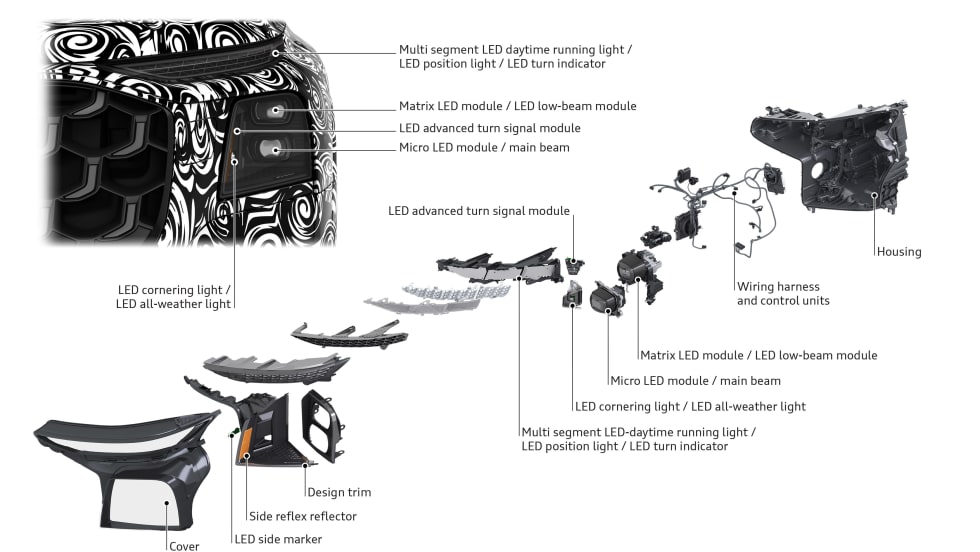
Road Glare to Drop a Notch?
Audi is preparing two SUV models for the American market with the automaker’s adaptive LED headlights. Its technology is designed to reduce brightness for other drivers, a growing complaint among U.S. motorists.
Read More →
AppOne Partners With RouteOne for E-Contracting Solution
By digitizing the entire contracting and funding process, the company says auto dealers can eliminate frustrating and disorganized manual processes.
Read More →