



How to Maintain Compliance While Working Remotely
The dynamics of the auto retail industry have dramatically shifted over the past few weeks. The good news here, is that while the backdrop has changed, many dealers still have the capability to work deals remotely.

The dynamics of the auto retail industry have dramatically shifted over the past few weeks. The good news here, is that while the backdrop has changed, many dealers still have the capability to work deals remotely.
Image by Tumisu from Pixabay
The dynamics of the auto retail industry have dramatically shifted over the past few weeks as dealers shut down showrooms and learn to operate digitally. The good news here, is that while the backdrop has changed, many dealers still have the capability to work deals – from leads to contracts – remotely.
In today’s climate, compliance has only become more crucial.
However, as dealers navigate this uncharted territory and explore new guidelines and processes to win sales, regulatory compliance is increasingly important, especially as we adapt to new ways of engaging with consumers. Working remotely can, in many ways, add another layer of difficulty to maintaining compliance.
Here are some best practices to help dealers adjust and ensure compliance even in this new virtual working environment:
Secure Consent and Protect Deal Data
Connection is now more important than ever … Your internet connection that is. When working remotely, an encrypted internet connection is essential, as there are a number of consumer protection laws in place that safeguard customer information. In addition to the internet connection, you can also take steps to protect personally identifiable information (PII) by making sure consumers are entering data on secured application portals rather than simply emailing information. It is also critical you remember to get customer consent to do business and authorization to pull credit reports and eSign documents.
Respect FTC Marketing Restrictions
With face-to-face interactions currently limited, many dealers are turning to their technology arsenals to better engage consumers. Think text messages, emails, phone calls, video chats and more. However, just because someone gave you their contact information once does not mean you are legally allowed to market to them without their consent now. To stay compliant with the Federal Trade Commission (FTC) and protect your dealership, make sure to periodically review your direct marketing target lists and remove anyone who has previously expressed that they do not want to be contacted via the means of communication you are planning to use.
Anyone on a “do not contact” list – whether federal, state or internal – should be considered a no-go to contact.
Protect Against Fraud and Scams
While it is typically a straightforward process to verify that the person sitting in front of you is who they say they are, things get a little more complicated when selling a vehicle or F&I product virtually – even if it is over video chat – or to a customer wearing a protective face mask in-store. Unfortunately, there are criminals out there looking to capitalize on this situation. In fact, the FTC recently issued a warning about identity theft scams that leverage the ongoing coronavirus pandemic as a pretext. Make sure your staff is staying vigilant and consistently running OFAC checks and Red Flag alerts. You should also utilize out-of-wallet, or authentication, questions as needed to verify a customer’s identity. If possible, record the video sessions with the consumer; assuming you have notified them that you will be recording the session.
Double Check Your eSigning Solution
Electronic signing gives you the flexibility to finalize deals remotely. From contracts and credit applications to credit bureau authorizations, privacy notices and the entire funding package, it is now easier to capture signatures digitally where permitted by law. This also makes it simpler to submit the final contract package electronically, a nuance that is becoming increasingly critical as dealers look for faster funding to improve cash flow.
While this is all well and good, not all eSigning solutions guarantee the legally binding status of a contract. Among other things, dealers must be able to verify the identity of the individual signing remotely and confirm the documents are accurate, complete and properly stored.
Set Yourself Up for Remote Delivery Success
The delivery of vehicles outside of the dealership also brings potential risks and challenges. Therefore, it is important you check with your own legal team to better understand the controls you need to have in place. Some of the considerations for those delivering vehicles remotely include:
Ensure your contract start and delivery dates are the same.
Reconfirm the customer’s identity and execute a proof of delivery document.
Ensure that you provide the consumer with all of the same documents they would have received in the dealership.
Do not negotiate terms and conditions of the deal at the consumer’s home, as this could invoke a three-day rescission period.
Confirm that your lender agreements allow for the delivery of vehicles outside the dealership.
In today’s climate, compliance has only become more crucial. Work with your legal counsel to create a plan to address compliance considerations that may be more challenging to follow remotely and ensure your revised operating procedures still adhere to requirements and regulations. These steps will be key to maintaining success and safeguarding your dealership during these uncertain and virtual times.
Andy Mayers is the lender solution strategist for Dealertrack.
Originally posted on Auto Dealer Today
More Product & Technology
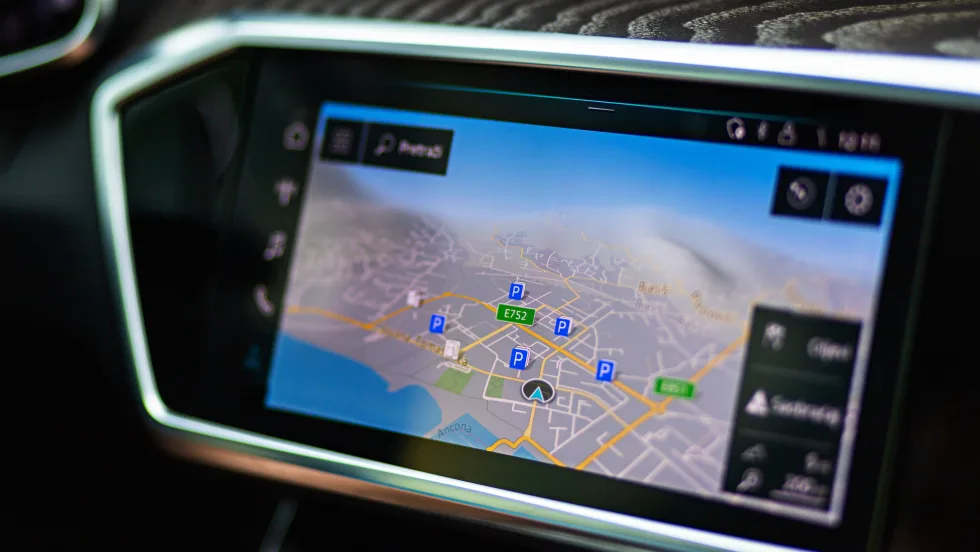
Computer Headaches on the Road
Consumers keep complaining about new cars’ infotainment tech, but are automakers listening? A recent survey shows regression except for mapping and speakers.
Read More →
Another Death Tied to Imported Air Bags
The Texas traffic fatality is the 11th federal regulators have connected to defective inflators imported from China. They urge that a certain population of used vehicles be inspected.
Read More →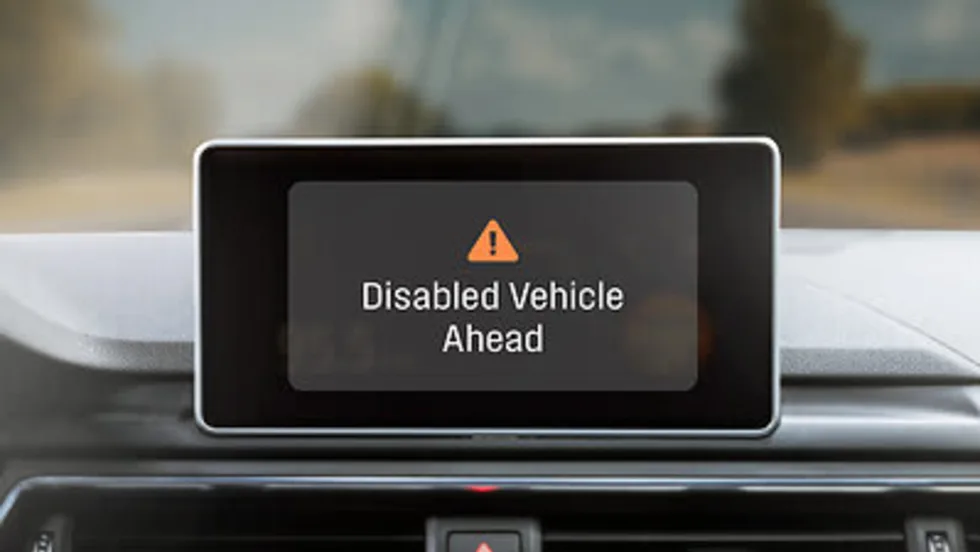
Roadside Warnings Debut
Mazda works with AAA and a technology company to alert passersby to stranded vehicles from its lineup, for both parties’ safety.
Read More →
AI As Trainer?
This month, Agent Entrepreneur Editor Hannah Mitchell shares an artificial-intelligence development that could upend traditional dealership training.
Read More →
A Lingering Auto Tech Divide
Automakers still struggle to hit consumers’ sweet spot, hanging onto the despised touchscreen and adding other complex systems while simple, effective details hit the mark.
Read More →
AI, China and the Next Wave of Auto Retail Innovation
F&I sits at the center of the changes expected to sweep the industry in just the new few years as new players change the game.
Read More →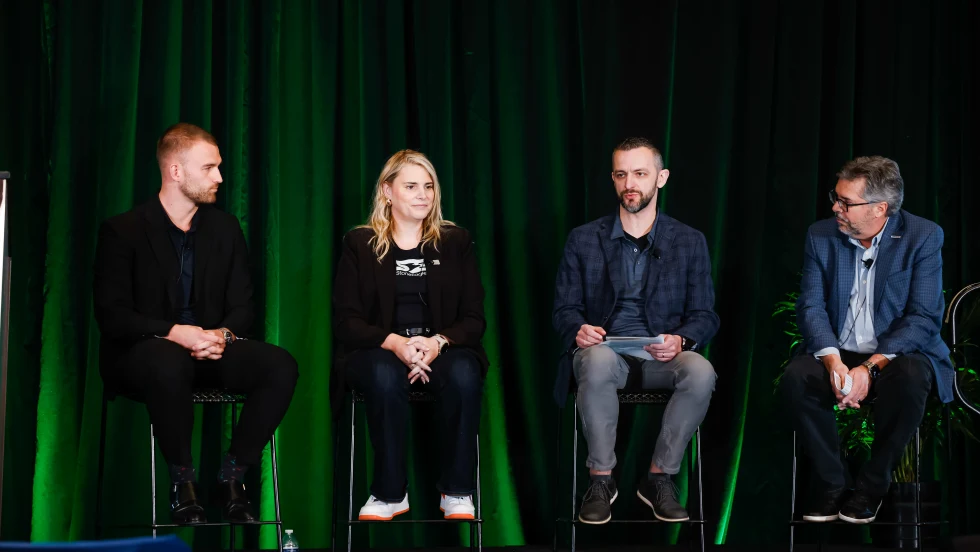
That Bot Can Do a Lot
Artificial intelligence was all the buzz at the 2026 Agent Summit. A panel of tech specialists broke through the noise to give agents guidance on steering dealer clients.
Read More →
Cyber F&I
Your dealer clients could only benefit from showcasing products on their websites along with vehicle inventory. Modern consumers expect to be informed and are more likely to buy products when they are.
Read More →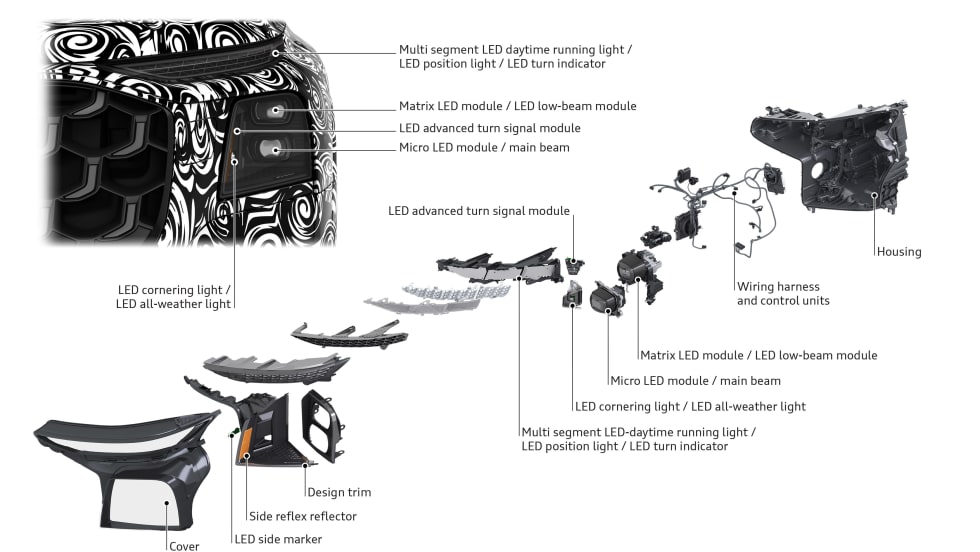
Road Glare to Drop a Notch?
Audi is preparing two SUV models for the American market with the automaker’s adaptive LED headlights. Its technology is designed to reduce brightness for other drivers, a growing complaint among U.S. motorists.
Read More →
AppOne Partners With RouteOne for E-Contracting Solution
By digitizing the entire contracting and funding process, the company says auto dealers can eliminate frustrating and disorganized manual processes.
Read More →