



How Dealers Leveraged Fixed Ops and Digital Advertising for Recovery
Dealers were one of the earliest segments of business to embrace a message of contactless business operations. This approach created a winning formula that helped dealers achieve a lower cost per customer acquisition level, which is the best business strategy to help them get through 2020.
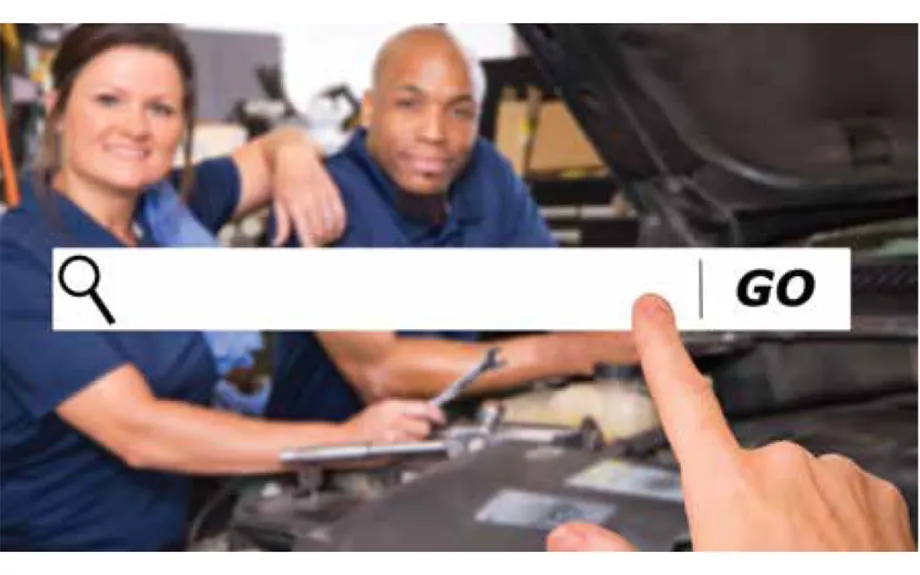
Dealers were one of the earliest segments of business to embrace a message of contactless business operations. This approach created a winning formula that helped dealers achieve a lower cost per customer acquisition level, which is the best business strategy to help them get through 2020.
IMAGE: FSTOP123 via GettyImages.com
Many auto dealerships drastically cut back their overall ad spending during the springtime COVID-19 lockdowns as a way to preserve as much of their bottom line as possible. After all, the annual pace of sales fell sharply to 8.47 million in April1. This was a significant drop from the 17.05 million level it was pacing at just a few months earlier in January.
Dealers that were progressively focused on taking a proactive approach in changing their operations to cater to the new pandemic customer are seeing pre-pandemic figures in many cases today.
However, dealers were one of the earliest segments of business to embrace a message of wide-spread cleanliness and contactless business operations, and this helped their businesses see quick recoveries by late spring.
This quick response helped dealers gain the confidence and trust of many drivers who still needed to service their vehicles even during the height of the stay-at-home executive orders in many locations throughout the country. This strategy has paid off considerably, especially as the focus of car sales has turned to maintaining existing vehicles and the sale of used cars and trucks, which require ongoing and regular intervals of maintenance.
Dealers pivoted their strategies in early summer to shore up their service and repair operations and began shifting digital ad spending over to fixed ops campaigns, as well as focus onsite offers to convert low-funnel service/parts traffic on their websites.
Beginning in May, as dealers ramped up their focus on repair order activity, there was the beginning of an increase in repair orders and service revenue. By June, the numbers continued to increase across the board and dealers focused on making the process of service even easier for customers through enhanced contactless pickup/drop-off.
Leveraging digital channels that place an emphasis on attracting service-interested drivers, PureCars reports a 16.9% increase in dealers’ ad spending on the app, Waze, during August.
Realizing the Power of Video
Video has been another vehicle and advertising channel many dealers have increasingly embraced as the pandemic has grown longer.
In general, consumers find videos more engaging compared to other forms of advertising content. The use of video is important for brand storytelling, and in today’s pandemic economy, it’s proving to be necessary to increase conversion, exposure, and lead to more successful transactions between dealers and their customers.
By the year 2022, online videos will make up more than 82% of all consumer internet traffic2 — 15 times higher than it was in 2017. Furthermore, it is estimated users currently view more than 1 billion hours of video3 each day on YouTube.
Beyond the level of entertainment and engagement offered by video, dealers have realized it’s a great way to communicate emotional, health-focused, and heart-felt messages during the pandemic. It’s more genuine to communicate why and how a dealer cares about its customers and employees through video, more so than any other medium today.
Creating the Right Strategy for the Rest of 2020
This strategy is a big reason why fixed ops have been a driver of revenue for auto dealers this summer, and most likely the remainder of 2020, with the continued emphasis on servicing used vehicles.
Dealers that were progressively focused on taking a proactive approach in changing their operations to cater to the new pandemic customer are seeing pre-pandemic figures in many cases today. These dealers have focused on maximizing service and repair opportunities and promotion through digital advertising channels, while also making it safer and easier for customers to do business. This approach creates a winning formula that helps a dealer achieve a lower cost per customer acquisition level, which is the right business strategy that will help them get through 2020.
Jeremy Anspach is the CEO of PureCars, a leading automotive dealer advertising and attribution technology provider.
1: https://www.autonews.com/sales/supply-crunch-still-hampering-sales-recovery
Originally posted on Auto Dealer Today
More Sales

September Payments Reach New Heights
Despite lower interest rates and longer loan terms, the average new-vehicle monthly payment continues to climb, and transaction prices remain high.
Read More →
Used Lots Getting the Business
Many consumers are seeking out the units to save money, and the demand – higher in July than normal – is keeping supply limited and prices up.
Read More →
Two Kinds of Agents and the 5 Ps That Separate Them
Follow these key guidelines to distinguish your agency from competitors by adding more value to your dealer clients' businesses.
Read More →
Positive Equity Reaches Record High
Mainstream vehicle owners who bought a car seven years ago are likely to have positive equity when trading in for a new vehicle, according to second-quarter Edmunds data.
Read More →
Used Market Stabilizes
The Carfax Used Car Index noted a major drop in used-vehicle price increases in July after several months of hikes.
Read More →
July Auto Sales Simmer
Deliveries were up modestly from a year ago despite still-high prices as OEMs offered more incentives and loan rates eased somewhat.
Read More →
Used Sales Hit Summer Drag
The vacation season, combined with high prices, has dented deliveries and added to inventories, though supply is still slim enough to keep listings elevated.
Read More →
June Automotive Boon?
A forecast for this month’s new-vehicle sales tells a familiar 2026 story: Year-over-year comparisons must be made in light of last year’s aberrations.
Read More →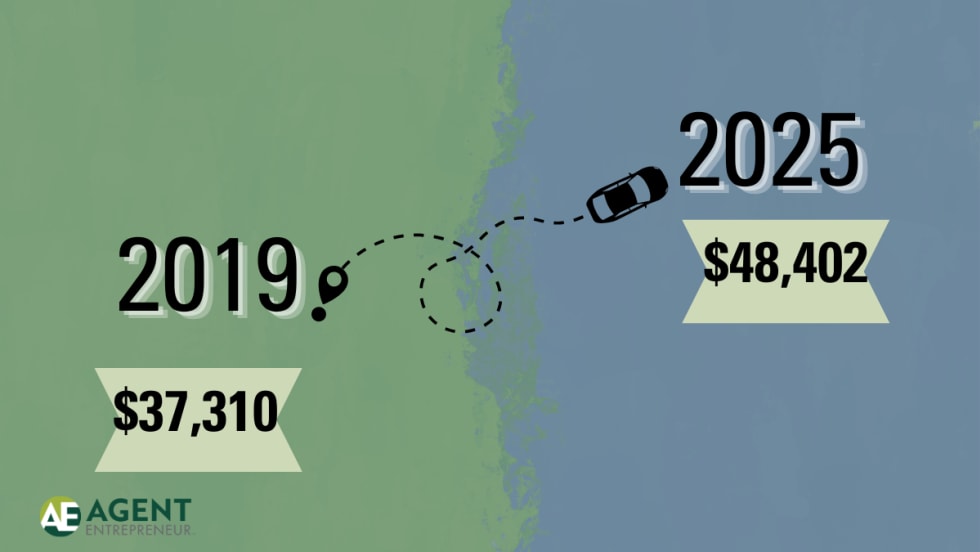
Affordable New Cars a Thing of the Past
More than one out of five new vehicles sell for more than $60,000, according to Edmunds. That's up 7% compared to prepandemic 2019.
Read More →
Legacy Automakers Risk Falling Behind
As legacy automakers, mostly in the U.S. and Japan, have revised their 2030 electric-vehicle sales targets and shifted to a hybrid focus, they risk falling behind new market leaders.
Read More →