



Go Mobile and Keep Control
There are many benefits of going mobile with your CRM — explore how dealers can retain control through the process.

There are many benefits of going mobile with your CRM — explore how dealers can retain control through the process.
IMAGE: Getty Images
Everyone is talking about going mobile. By mobile, I mean using mobile technology to walk customers through a deal whether they are sitting at home or in your showroom. Regardless of where the customer is, going mobile requires process change. Not everyone wants to do that. In fact, around half of the dealers I talk to don’t want to go through that process change.
The main reason dealers tell me why they don’t want to go mobile is because they fear losing control. I believe this fear is unwarranted. There is nothing about mobile technology that cedes control of the process to the customer. Let’s review some benefits of going mobile and how dealers can retain control through the process.
Spend More Time with Customers
For most customers, one of the least favorite parts of buying a vehicle is having to sit and wait while the salesperson runs back and forth to check with the manager during the negotiation process. Playing this game leaves the customer feeling like their time and intelligence is being disrespected.
With a mobile CRM app, the salesperson can stay with the customer through the negotiation process. The first step is a predefined first pencil that is presented to the customer. The customer and salesperson can then change the price of the vehicle, amount of trade, amount of down payment or monthly payments. Once the customer has chosen a payment scenario they like, the salesperson sends that pencil to the manager for approval without ever leaving the customer.
What part of the worksheet are you using now that gives you more control than doing the worksheet digitally? What part of bringing a piece of paper to the desk gives you more control? Digital worksheets may give customers the perception that they have more input into the process, but ultimately the manager decides how much they’re selling the vehicle for.
In addition to making the negotiation process more bearable for customers, a mobile CRM app allows salespeople to scan the VIN and take photos of the customer’s trade-in vehicle to send to the used car manager. Imagine if, out on the lot, a prospect wonders if they can afford a vehicle, and the salesperson starts the credit application on the spot. The salesperson can also scan the customer’s driver’s license for a test drive, all while staying with the customer.
Better Lead Management
Often when we talk about mobile, everyone thinks tablets. For salespeople a better choice might be to have a business-only smartphone with the mobile CRM app installed. Let’s face it, a tablet is a bit large and cumbersome to carry around versus a phone that can be stashed in a pocket.
These days there is nothing that can be done on a computer that can’t be done on a phone, including lead follow up. When a salesperson gets a new lead alert they can instantly call, email, or text the lead no matter where they are. Salespeople can also answer inbound sales calls, complete tasks, and set appointments, all in a compliant manner with everything recorded in the CRM.
Most salespeople will embrace the ability to multi-task from anywhere using their smartphones. It’s interesting that the most pushback against mobile technology is from senior sales managers and general managers. Everyone under 30 has used their smartphones more than they have used computers since they were eight years old.
Save Thousands on Forms
Filling out credit applications and completing paperwork using a mobile CRM app eliminates the need for forms, saving dealers thousands of dollars every single month. I know of a dealership that switched to a 100% paperless process and has saved over $100,000 annually on forms. In addition, you’re saving trees. Isn’t it nice to do something good for the environment and make money at the same time?
These are just a few benefits of going mobile. Hopefully you’re convinced that going mobile won’t cede control to your customers. To be successful, the dealership principal and/or owner must be fully committed and demand accountability for mobile CRM usage from employees.
Originally posted on Auto Dealer Today
More Product & Technology
Computer Headaches on the Road
Consumers keep complaining about new cars’ infotainment tech, but are automakers listening? A recent survey shows regression except for mapping and speakers.
Read More →
Another Death Tied to Imported Air Bags
The Texas traffic fatality is the 11th federal regulators have connected to defective inflators imported from China. They urge that a certain population of used vehicles be inspected.
Read More →
Roadside Warnings Debut
Mazda works with AAA and a technology company to alert passersby to stranded vehicles from its lineup, for both parties’ safety.
Read More →
AI As Trainer?
This month, Agent Entrepreneur Editor Hannah Mitchell shares an artificial-intelligence development that could upend traditional dealership training.
Read More →
A Lingering Auto Tech Divide
Automakers still struggle to hit consumers’ sweet spot, hanging onto the despised touchscreen and adding other complex systems while simple, effective details hit the mark.
Read More →
AI, China and the Next Wave of Auto Retail Innovation
F&I sits at the center of the changes expected to sweep the industry in just the new few years as new players change the game.
Read More →
That Bot Can Do a Lot
Artificial intelligence was all the buzz at the 2026 Agent Summit. A panel of tech specialists broke through the noise to give agents guidance on steering dealer clients.
Read More →
Cyber F&I
Your dealer clients could only benefit from showcasing products on their websites along with vehicle inventory. Modern consumers expect to be informed and are more likely to buy products when they are.
Read More →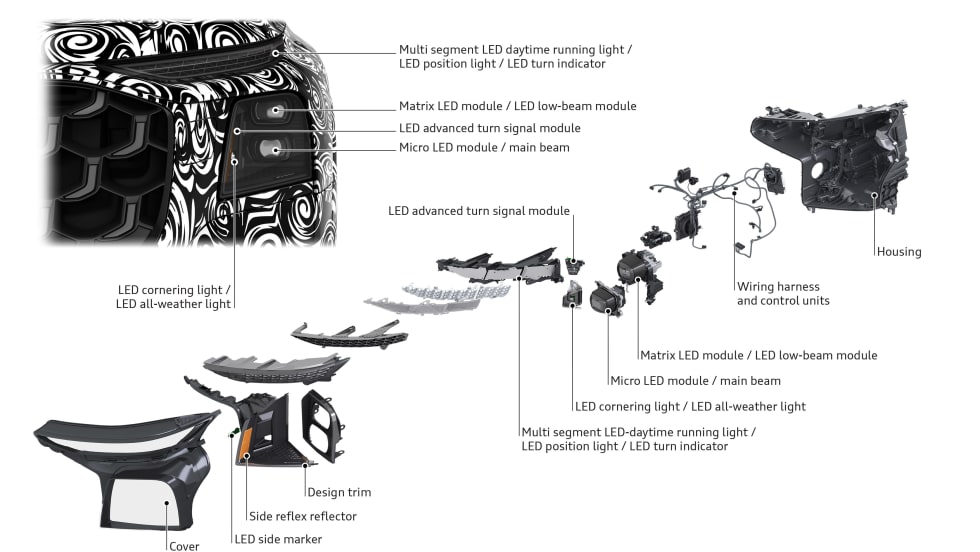
Road Glare to Drop a Notch?
Audi is preparing two SUV models for the American market with the automaker’s adaptive LED headlights. Its technology is designed to reduce brightness for other drivers, a growing complaint among U.S. motorists.
Read More →
AppOne Partners With RouteOne for E-Contracting Solution
By digitizing the entire contracting and funding process, the company says auto dealers can eliminate frustrating and disorganized manual processes.
Read More →