



Found Money
New CFPB guidance should inspire agents and dealers to look for unearned premiums from total losses, repossessions, and early payoffs.


New CFPB guidance should inspire agents and dealers to look for unearned premiums from total losses, repossessions, and early payoffs.
Photo by selensergen via Getty Images
Everybody likes found money, who wouldn’t? There is one small problem, however: You have to know about the money to find it. This theme or a variation on this theme was one of the issues discussed in the Consumer Financial Protection Bureau’s Winter 2019 Supervisory Highlights.
The sale of ancillary products can be a productive area for automotive dealerships. Although issues can arise at any point in the sales process, most compliance experts would point to the importance of “front-end” disclosures of cost, benefits, and exclusions. This is fertile ground, which can give rise to claims of unfair, deceptive, or abusive acts or practices, payment packing, and fraud.
The CFPB, on the other hand, was focused on “back-end” disclosures in the ancillary products timeline in the aforementioned guidance.
Bad Math, Missed Claims
There are two events which cut off the benefit of an extended warranty: a total loss or a repossession. What then happens to the customer’s premium, which was financed as part of the retail installment sales contract? Is there a duty to notify the customer that they may be entitled to a pro rata refund of premium? Who has responsibility to make a claim for a pro rata refund of premium?
The CFPB examiners reviewed the servicing operations of some (unnamed) captive automotive finance companies in these circumstances. They found that the servicers were improperly submitting claims.
The sale of ancillary products can be a productive area for automotive dealerships.
More specifically, the claims involved extended warranties for used vehicles and the claims were being submitted on gross mileage rather than the net number of miles driven since the consumer bought the used vehicle. The servicer then compounded this error by claiming the consumer had a higher deficiency balance by reason of the improper submission of the premium rebate.
In other cases, the servicer did not even request a rebate for an eligible ancillary product after a total loss or repossession and again sent the consumer a deficiency notice. The notice claimed a higher amount was due than would have been due if the rebate request had been submitted and applied to the outstanding debt.
Not surprisingly, these actions were found to constitute UDAAP violations as outlined by the Consumer Financial Protection Act of 2010. This same sort of fact scenario could apply to other ancillary products in which the usefulness terminates (e.g. GAP insurance in the event of an early payoff). The CFPB required that the captive automotive finance companies identify and remediate the harm suffered by affected borrowers and correct the deficiency notices to clarify the status of rebates, which may apply.
How should you apply this lesson in your dealer clients’ businesses? You should review your ancillary product contracts to determine who is responsible for:
Disclosure to the customer of the ability to obtain pro rata refunds.
Submission of claims for pro ratarefunds.
Sending deficiency notices — and is that entity aware of the status of entitlement to pro rata refund that may apply to any deficiency?
From a broader perspective, the rumors about the demise of the CFPB are premature. While the current version of the CFPB may not have the laser focus of the Cordray CFPB, it still will pursue disclosure and UDAAP issues and, perhaps more importantly, it still has its eyes on the automotive industry.
If one of your dealerships comes into some “found money” in the form of unearned premium due to a total loss, repossession, or early payoff, they would be well-advised to ensure that the consumer has received complete and accurate disclosure of their rights to a pro rata refund, that the party with the duty submits and pursues such a refund claim, and that the consumer receives full and accurate credit for such premium refund in the event of a deficiency.
DISCLAIMER: Content provided in this article is intended for informational purposes only and should not be construed as legal advice and should not be relied upon or acted upon without retaining counsel to provide specific legal advice based upon your particular situation, jurisdiction and circumstances. No duties are assumed, intended or created by this communication. No attorney-client relationship is being created by your review or use of this material.
Robert J. Wilson, Esquire is a Philadelphia lawyer and is general counsel for ARMD Resource Group. He is the principal of Wilson Law Firm and has over 30 years of experience both as a counselor and as a litigator in State and Federal Courts.
More Product & Technology

Computer Headaches on the Road
Consumers keep complaining about new cars’ infotainment tech, but are automakers listening? A recent survey shows regression except for mapping and speakers.
Read More →
Another Death Tied to Imported Air Bags
The Texas traffic fatality is the 11th federal regulators have connected to defective inflators imported from China. They urge that a certain population of used vehicles be inspected.
Read More →
Roadside Warnings Debut
Mazda works with AAA and a technology company to alert passersby to stranded vehicles from its lineup, for both parties’ safety.
Read More →
AI As Trainer?
This month, Agent Entrepreneur Editor Hannah Mitchell shares an artificial-intelligence development that could upend traditional dealership training.
Read More →
A Lingering Auto Tech Divide
Automakers still struggle to hit consumers’ sweet spot, hanging onto the despised touchscreen and adding other complex systems while simple, effective details hit the mark.
Read More →
AI, China and the Next Wave of Auto Retail Innovation
F&I sits at the center of the changes expected to sweep the industry in just the new few years as new players change the game.
Read More →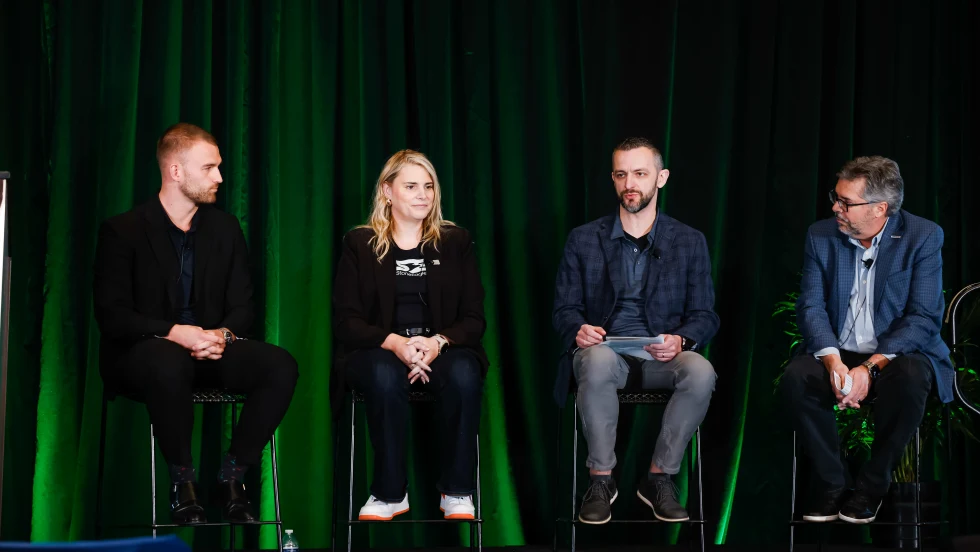
That Bot Can Do a Lot
Artificial intelligence was all the buzz at the 2026 Agent Summit. A panel of tech specialists broke through the noise to give agents guidance on steering dealer clients.
Read More →
Cyber F&I
Your dealer clients could only benefit from showcasing products on their websites along with vehicle inventory. Modern consumers expect to be informed and are more likely to buy products when they are.
Read More →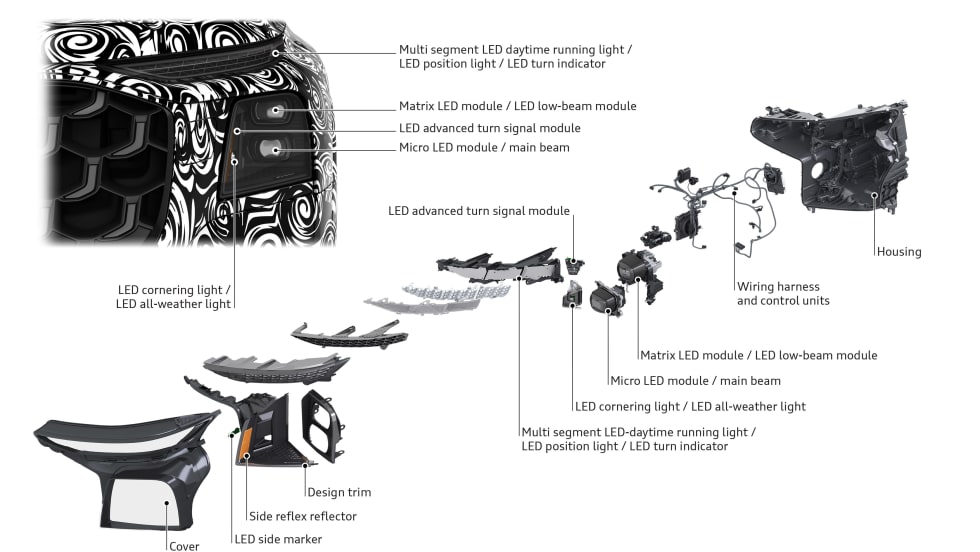
Road Glare to Drop a Notch?
Audi is preparing two SUV models for the American market with the automaker’s adaptive LED headlights. Its technology is designed to reduce brightness for other drivers, a growing complaint among U.S. motorists.
Read More →
AppOne Partners With RouteOne for E-Contracting Solution
By digitizing the entire contracting and funding process, the company says auto dealers can eliminate frustrating and disorganized manual processes.
Read More →