



Be Aware of Unique Cultural Needs


Be Aware of Unique Cultural Needs
If your dealer clients do business with people from cultural groups different from your own, you would be wise to invest some time to learn more about those cultures and their needs in terms of vehicles and services. You may not necessarily be doing business with people in another country, but with those from other countries who have relocated to your community. If you want their business, you have to understand their needs on many levels.
This isn’t difficult to do. There’s a vast array of information available online, for free, about nearly every culture on the planet. Set aside 15 minutes to look under the topics of “protocol,” “diversity,” or “cultural awareness.” If you pick up just one key point that makes the next customer from another culture feel comfortable with you, it is well worth your while.
One potential source is http://www.usaprotocol.com/. This where you’ll find the handbook for U.S. diplomats on proper etiquette and protocol for meetings with people from diverse cultures around the world. There are many other good books written on proper protocol for doing business with people of different cultures. With a quick call or visit to your local library, you can find a wealth of information to review while waiting for clients to come into your dealership.
Take a moment now to consider what cultural groups are represented within a 50-mile radius of your dealerships. If you’re not sure, call your local Chamber of Commerce. They’ll have demographics of the population in the area and be able to provide you with good information. Once you have that information and begin studying a culture, you’re creating specialized service for a niche market in your area. Don’t just learn how to sell vehicles to these different cultures, learn how they like to be served after the sale. Providing courteous contact and consistent follow up will cause them to send their friends and relatives to your clients' dealerships as well.
The most important aspect of doing business with someone from a culture other than ours is to beware of the words you use. Some American words and phrases just don’t translate well. They just don’t have the meaning that you may wish to impart, thus, are likely to confuse potential clients. Or, worse, the translation may be something offensive. So, when speaking to folks from other cultures, watch your words. Speak at your highest level of language rather than using casual or slang terms.
You may also want to stop periodically and ask if the potential clients understand what you’ve just told them. If they don’t, assure them that’s okay and that you’re there to help them to understand so they can find a vehicle that best serves their particular needs.
Here are a few other things to be aware of:
Be patient when building trust and establishing relationships. People from countries other than the U.S. generally need more than a handshake to build trust. It is important to observe a greater degree of formality when becoming acquainted than you would use with a client who was born and raised locally.
Speak more slowly than you normally do, but don’t raise your voice. Volume doesn’t usually increase comprehension. Also, don’t speak down to them as if they are children. Simple speak clearly and include appropriate gestures to ensure they’re following what you’re pointing out to them.
Avoid slang, buzzwords, idioms, jargon and lingo. These can all be easily misunderstood by those who may not speak your language as their primary language. Just use simple wording until you can get an idea of what level of your language they understand.
If you’re using an interpreter, make sure the interpreter meets the customer before you actually begin to sell them. This will allow the interpreter to determine if there are any dialect challenges between what they speak and what the client is most familiar with.
Pay attention to nonverbal interaction cues. The word "Yes" or an affirmative nod often means, “Yes, I hear you,” in Asian cultures, not, “Yes, I agree.” If you see a nod and move on to closing the sale, you may frighten them off with what appears to them as overzealousness.
Culture is as much an influence on people as their personal experiences, so learning about their customs and traditions only makes sense. That way, neither you nor your client will be made to feel uncomfortable and selling can be done.
If you’re in doubt about how to properly work with people of another culture, don’t be afraid to ask them. Ask as you would with any client what their past experiences have been when purchasing a vehicle. Ask what they liked and disliked about the service, the folks they dealt with at the dealership and the vehicle itself. This is all a normal part of qualifying during any sales process.
More Sales

September Payments Reach New Heights
Despite lower interest rates and longer loan terms, the average new-vehicle monthly payment continues to climb, and transaction prices remain high.
Read More →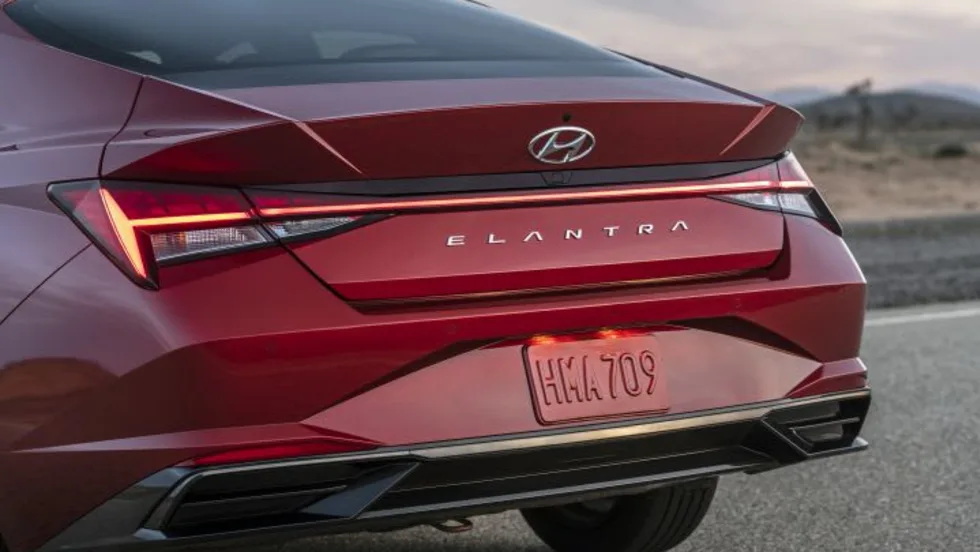
Used Lots Getting the Business
Many consumers are seeking out the units to save money, and the demand – higher in July than normal – is keeping supply limited and prices up.
Read More →
Two Kinds of Agents and the 5 Ps That Separate Them
Follow these key guidelines to distinguish your agency from competitors by adding more value to your dealer clients' businesses.
Read More →
Positive Equity Reaches Record High
Mainstream vehicle owners who bought a car seven years ago are likely to have positive equity when trading in for a new vehicle, according to second-quarter Edmunds data.
Read More →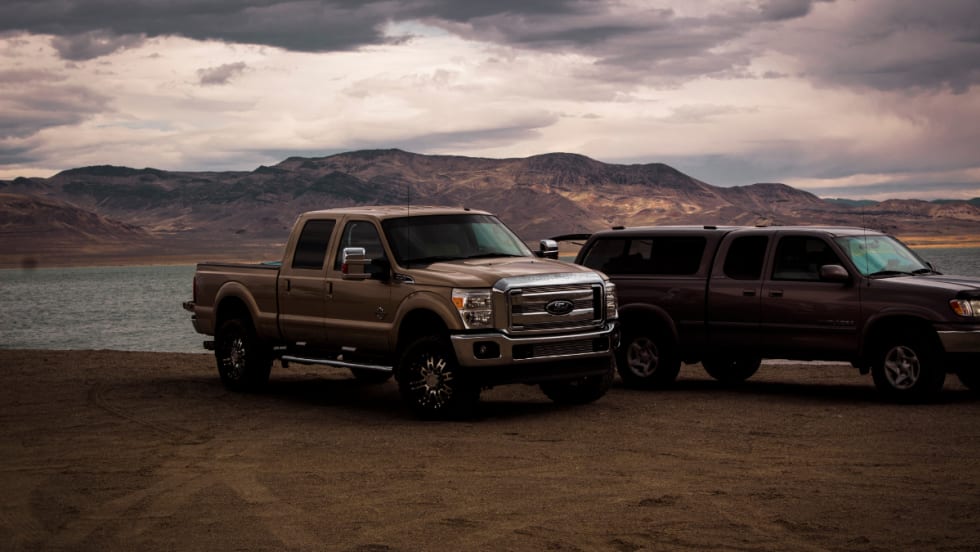
Used Market Stabilizes
The Carfax Used Car Index noted a major drop in used-vehicle price increases in July after several months of hikes.
Read More →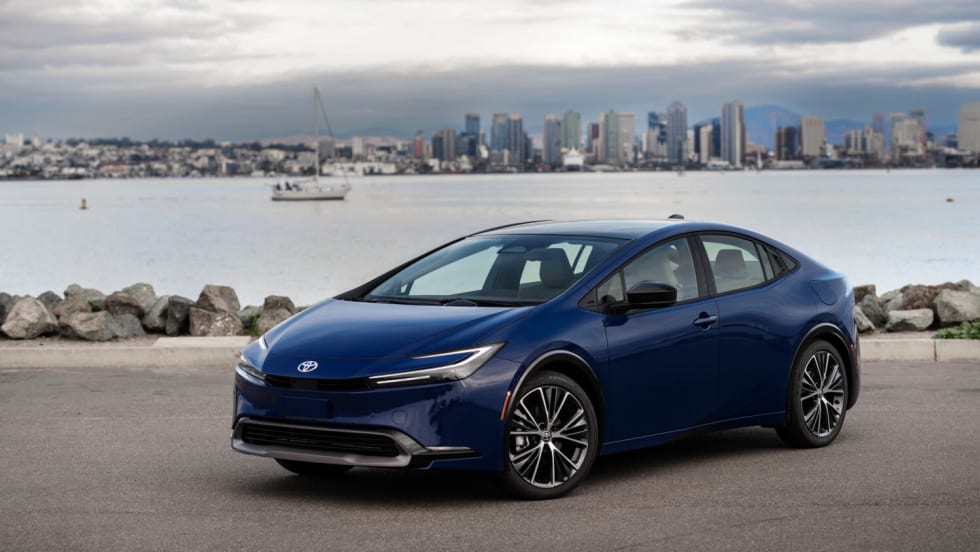
July Auto Sales Simmer
Deliveries were up modestly from a year ago despite still-high prices as OEMs offered more incentives and loan rates eased somewhat.
Read More →
Used Sales Hit Summer Drag
The vacation season, combined with high prices, has dented deliveries and added to inventories, though supply is still slim enough to keep listings elevated.
Read More →
June Automotive Boon?
A forecast for this month’s new-vehicle sales tells a familiar 2026 story: Year-over-year comparisons must be made in light of last year’s aberrations.
Read More →
Affordable New Cars a Thing of the Past
More than one out of five new vehicles sell for more than $60,000, according to Edmunds. That's up 7% compared to prepandemic 2019.
Read More →
Legacy Automakers Risk Falling Behind
As legacy automakers, mostly in the U.S. and Japan, have revised their 2030 electric-vehicle sales targets and shifted to a hybrid focus, they risk falling behind new market leaders.
Read More →