



Addressing Client Concerns


Addressing Client Concerns
How you address client concerns will have a powerful impact on your overall success level. In many cases, once concerns are addressed, the sale is made. You can go straight to asking for their approval on your paperwork.
The foundation of addressing client concerns is a simple, yet incredibly powerful six-step process that I’ve taught for many years. Read through them here. Then commit to re-reading them at least twice a day for a week.
Step #1: Hear Them Out
Let the client talk until you know as much as they do about their concern. If you try to address the concern before hearing all of what they have to say, you may end up answering a concern they don’t feel is all that important and/or bring up another concern they hadn’t even thought of.
You see, raising concerns is a defense mechanism. Buyers react to the urge to go ahead by slowing things down with a concern. So, let them get it all out before attempting to address any point they’ve raised.
If you feel they’re not telling you everything, encourage them to talk with phrases such as, “I see. Is there anything else that concerns you about this decision?” or “What concerns do you have about…” You want to know all the bad past experiences they’ve had, all their reasons for hesitation before you move on. If you don’t, you may find yourself back at this point again with this client.
Step #2: Feed it Back
Simply re-state their concern in your own words. “So your concern, John, is…” This accomplishes two things. First, you demonstrate that you really listened to the client. Second, you have the opportunity to get confirmation from them that you understand their concern. Having someone understand you makes you feel closer to him or her. It creates a bond or common ground of sorts. It warms them up to accepting your advice on the purchase.
Step #3: Question the Importance of the Concern
This step can be tricky if not handled properly. You must gently ask if this concern would keep them from making the decision to go ahead if it cannot be resolved. It could be this concern is not all that important and the client will dismiss it when they consider whether or not it would keep them from owning the vehicle. If it would stop the sale, you then proceed accordingly.
Step #4: Answer the Concern
Depending on the concern, you may be able to do this quickly or you may have to do a little research on behalf of the client. Either way, you need to demonstrate, above all else, a sincere desire to help them. You’re working for them at this point. You’re an industry expert and a research consultant at their disposal. This could also be a good time to ensure them that you wouldn’t want them to make a decision without having all the facts, or a decision that might not be exactly right for them.
In answering the concern, you must consider it like a close. You have to appeal to their logic, yet close them emotionally. You’re helping them to rationalize the importance of the concern and the value of your answer.
Step #5: Confirm the Answer
Once you see signs that they’re agreeable to your answer and that it makes sense to them, make a simple statement of that fact. You could say, “That makes sense, doesn’t it?” If they agree, the concern is now behind you. If they show any hesitation at all, you must go back to Step #4 and come up with a better answer.
If you feel there’s more they haven’t told you, warmly ask, “Obviously, there’s a reason for your continued hesitation. Would you mind sharing it with me?” It could be they’ve just come up with another concern and are uncomfortable telling you since they already told you above that it was their real final concern. Always, always give your potential clients opportunities to save face if you see that they’re feeling hesitant or uncomfortable in any way.
Step #6: Change Gears
Once the concern has been satisfactorily addressed, it’s time to move on. The simplest method I’ve ever used to move on to the next aspect of the sale is the phrase, “By the way…” Then, I move onto the next area of discussion, changing gears so-to-speak to move on to the close or the next decision that must be made before closing.
P.D.R. (Practice, Drill and Rehearse) these steps until they become natural to you. Try them with your spouse or children the next time a concern is raised. When you feel comfortable with the strategy, start applying it. You’ll be amazed at how much more effective you become at handling concerns.
More Sales

September Payments Reach New Heights
Despite lower interest rates and longer loan terms, the average new-vehicle monthly payment continues to climb, and transaction prices remain high.
Read More →
Used Lots Getting the Business
Many consumers are seeking out the units to save money, and the demand – higher in July than normal – is keeping supply limited and prices up.
Read More →
Two Kinds of Agents and the 5 Ps That Separate Them
Follow these key guidelines to distinguish your agency from competitors by adding more value to your dealer clients' businesses.
Read More →
Positive Equity Reaches Record High
Mainstream vehicle owners who bought a car seven years ago are likely to have positive equity when trading in for a new vehicle, according to second-quarter Edmunds data.
Read More →
Used Market Stabilizes
The Carfax Used Car Index noted a major drop in used-vehicle price increases in July after several months of hikes.
Read More →
July Auto Sales Simmer
Deliveries were up modestly from a year ago despite still-high prices as OEMs offered more incentives and loan rates eased somewhat.
Read More →
Used Sales Hit Summer Drag
The vacation season, combined with high prices, has dented deliveries and added to inventories, though supply is still slim enough to keep listings elevated.
Read More →
June Automotive Boon?
A forecast for this month’s new-vehicle sales tells a familiar 2026 story: Year-over-year comparisons must be made in light of last year’s aberrations.
Read More →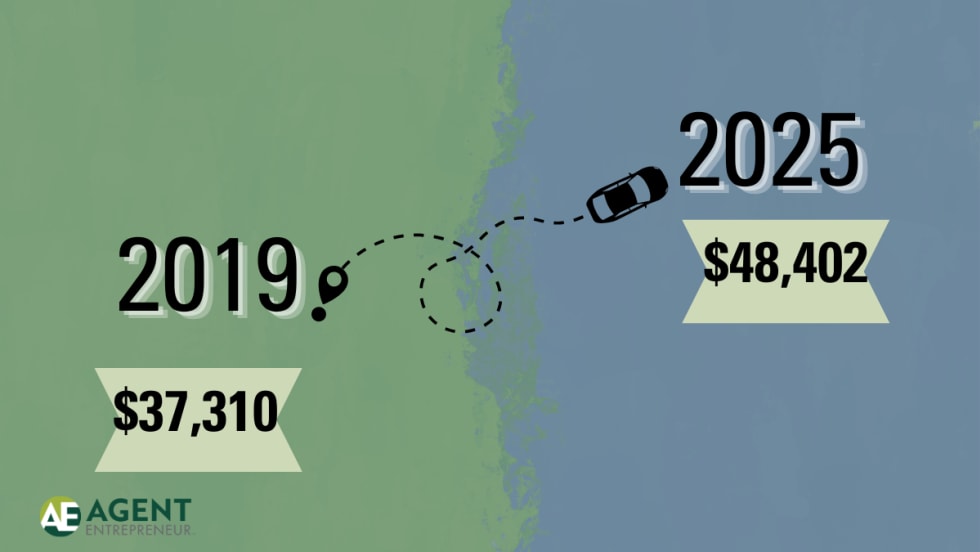
Affordable New Cars a Thing of the Past
More than one out of five new vehicles sell for more than $60,000, according to Edmunds. That's up 7% compared to prepandemic 2019.
Read More →
Legacy Automakers Risk Falling Behind
As legacy automakers, mostly in the U.S. and Japan, have revised their 2030 electric-vehicle sales targets and shifted to a hybrid focus, they risk falling behind new market leaders.
Read More →