



Used-Vehicle Owners Warned of Faulty Air Bags
Recent deaths, disfigurements blamed on replacement bags made by disreputable sources.


Vehicles involved in the recent crashes had been in previous wrecks and had their air bags replaced with defective equipment, NHTSA said.
Pexels/Dietmar Janssen
Owners of used vehicles are being warned to have their air bags inspected to ensure they’re genuine after three recent deaths of travelers killed by faulty bags.
The National Highway Traffic Safety Administration said some original air bags have been replaced with versions that include substandard inflators, many of which were made outside the U.S. It said that in addition to three deaths caused by such bags in the past nine months, two people have suffered disfiguring injuries.
The federal agency said all of the vehicles involved in the crashes had been in previous wrecks and had their air bags replaced with defective equipment.
“These dangerous aftermarket parts malfunctioned in subsequent crashes, sending large metal fragments into drivers’ chests, necks, eyes and faces, killing or severely injuring drivers in otherwise survivable crashes,” NHTSA said.
Such substandard air bags are typically made by overseas companies with limited or no track record of quality product and experience, are sold online at well under the prices of genuine counterparts, and installed by shops without strong reputations, such as those run by dealerships, the agency said. The air bags can partially or slowly deploy and therefore not protect occupants’ heads from hitting the steering wheel or dashboard.
It urges consumers who already own used vehicles or are in the market for them to research their histories to ensure they contain genuine air bag inflators. If they determine theirs may contain defective parts, they should contact a dealership of that vehicle brand or another reputable repair shop to learn if they should be replaced.
LEARN MORE: Mass-Market Brands Pose Fewer Problems
Originally posted on Auto Dealer Today
More Product & Technology
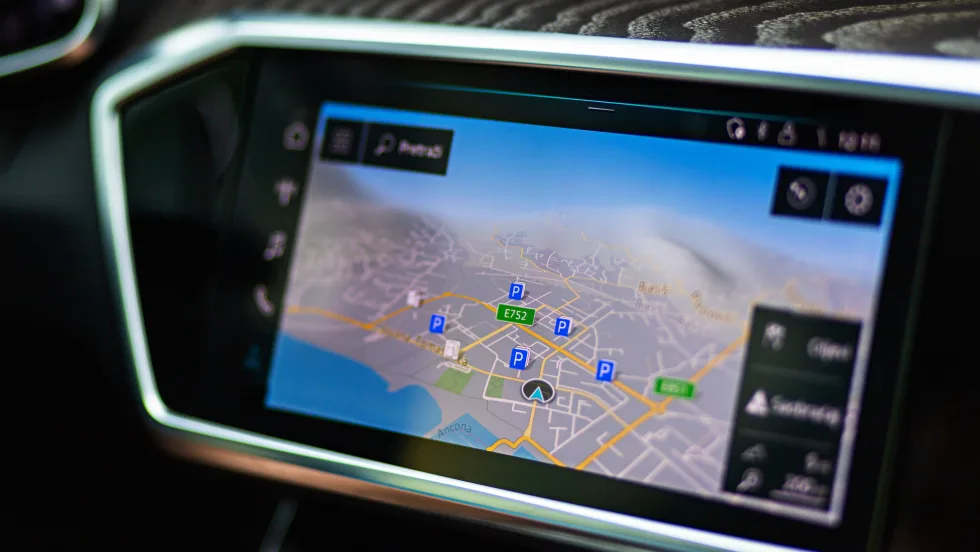
Computer Headaches on the Road
Consumers keep complaining about new cars’ infotainment tech, but are automakers listening? A recent survey shows regression except for mapping and speakers.
Read More →
Another Death Tied to Imported Air Bags
The Texas traffic fatality is the 11th federal regulators have connected to defective inflators imported from China. They urge that a certain population of used vehicles be inspected.
Read More →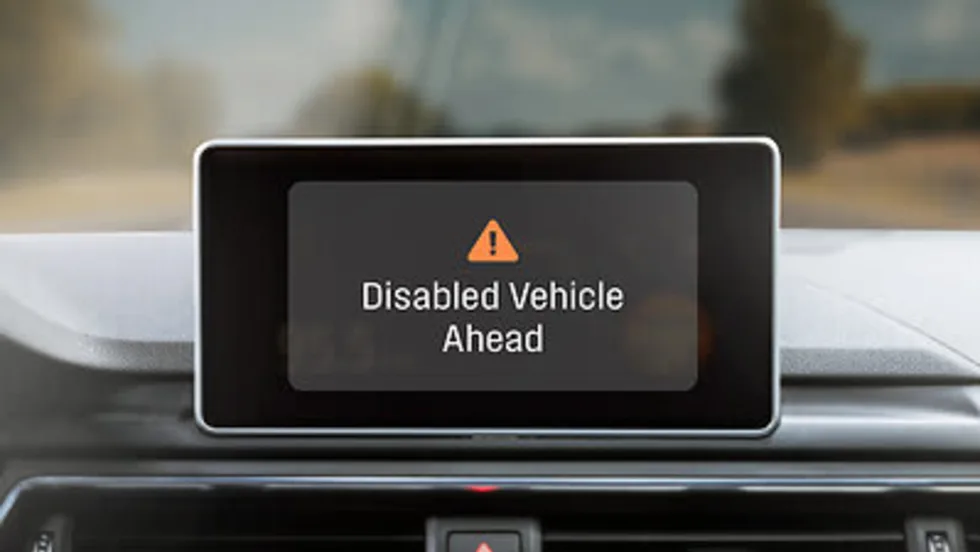
Roadside Warnings Debut
Mazda works with AAA and a technology company to alert passersby to stranded vehicles from its lineup, for both parties’ safety.
Read More →
AI As Trainer?
This month, Agent Entrepreneur Editor Hannah Mitchell shares an artificial-intelligence development that could upend traditional dealership training.
Read More →
A Lingering Auto Tech Divide
Automakers still struggle to hit consumers’ sweet spot, hanging onto the despised touchscreen and adding other complex systems while simple, effective details hit the mark.
Read More →
AI, China and the Next Wave of Auto Retail Innovation
F&I sits at the center of the changes expected to sweep the industry in just the new few years as new players change the game.
Read More →
That Bot Can Do a Lot
Artificial intelligence was all the buzz at the 2026 Agent Summit. A panel of tech specialists broke through the noise to give agents guidance on steering dealer clients.
Read More →
Cyber F&I
Your dealer clients could only benefit from showcasing products on their websites along with vehicle inventory. Modern consumers expect to be informed and are more likely to buy products when they are.
Read More →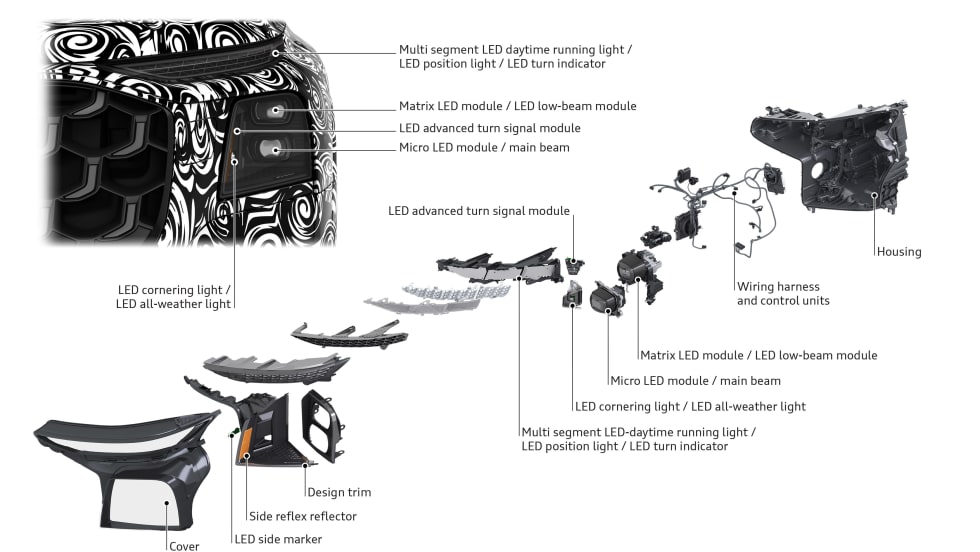
Road Glare to Drop a Notch?
Audi is preparing two SUV models for the American market with the automaker’s adaptive LED headlights. Its technology is designed to reduce brightness for other drivers, a growing complaint among U.S. motorists.
Read More →
AppOne Partners With RouteOne for E-Contracting Solution
By digitizing the entire contracting and funding process, the company says auto dealers can eliminate frustrating and disorganized manual processes.
Read More →