



EVs Still Lag ICE on Reliability
Annual Consumer Reports survey shows they present far more problems for consumers.


The Toyota 4Runner is ranked as the most reliable brand on Consumer Reports list this year.
IMAGE: Toyota
Electric vehicles, which already face strong adoption obstacles in the U.S. due to their higher prices and limited public charging infrastructure, also carry reliability baggage, based on Consumer Reports’ latest annual survey.
The nonprofit organization, which tests consumer products across many metrics, says the average new EV has 79% more problems than internal-combustion-engine vehicles and that pickup trucks are the least reliable.
Plug-in hybrids, or PHEVs, scored the worst, with 146% more problems than ICE models.
Hybrids, which more Americans favor if they go non-ICE, have 26% fewer problems than ICE on average.
Consumer Reports points out that it makes sense newer auto technology will experience more bumps in the road, so to speak, but said there are signs the segment is making improvements.
“… as our data has consistently shown, reliability-minded consumers would be best served by forgoing brand new vehicles in their first model year,” said its senior director of auto testing, Jake Fisher.
It said charging and battery problems top the list of EVs’ issues, though U.S. market leader Tesla has fewer problems there.
To rank vehicles and automakers, Consumer Reports surveys members about problems they’ve experienced with their vehicles in the previous 12 months to predict reliability of new cars from major mainstream models. This year’s survey covered more than 330,000 vehicles from the 2000 to the 2023 model years, plus a sampling of 2024 models.
Brands topping the ranking this year are Lexus and Toyota as Nos. 1 and 2, and the Toyota 4Runner is the survey’s most reliable model.
For more detail, see Consumer Reports’ auto reliability page.
Originally posted on Auto Dealer Today
More Product & Technology
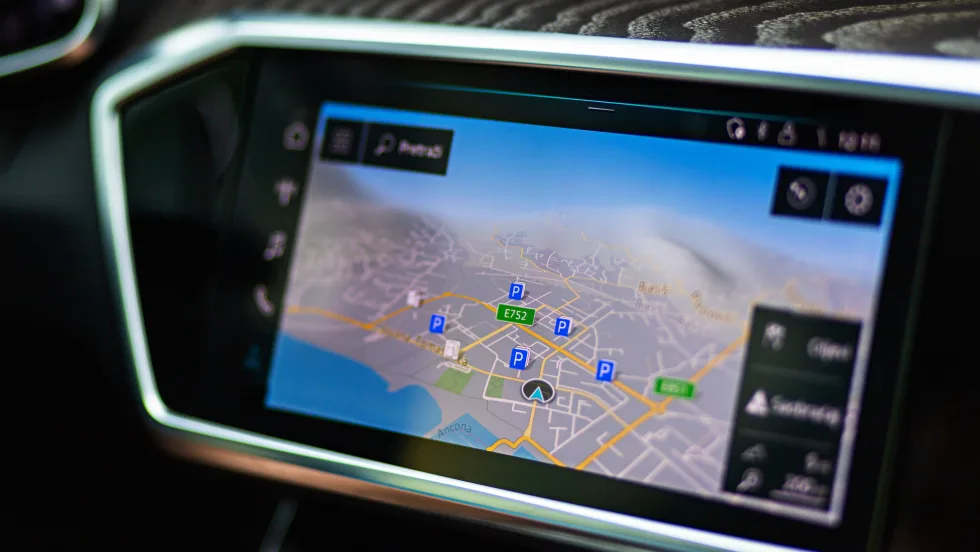
Computer Headaches on the Road
Consumers keep complaining about new cars’ infotainment tech, but are automakers listening? A recent survey shows regression except for mapping and speakers.
Read More →
Another Death Tied to Imported Air Bags
The Texas traffic fatality is the 11th federal regulators have connected to defective inflators imported from China. They urge that a certain population of used vehicles be inspected.
Read More →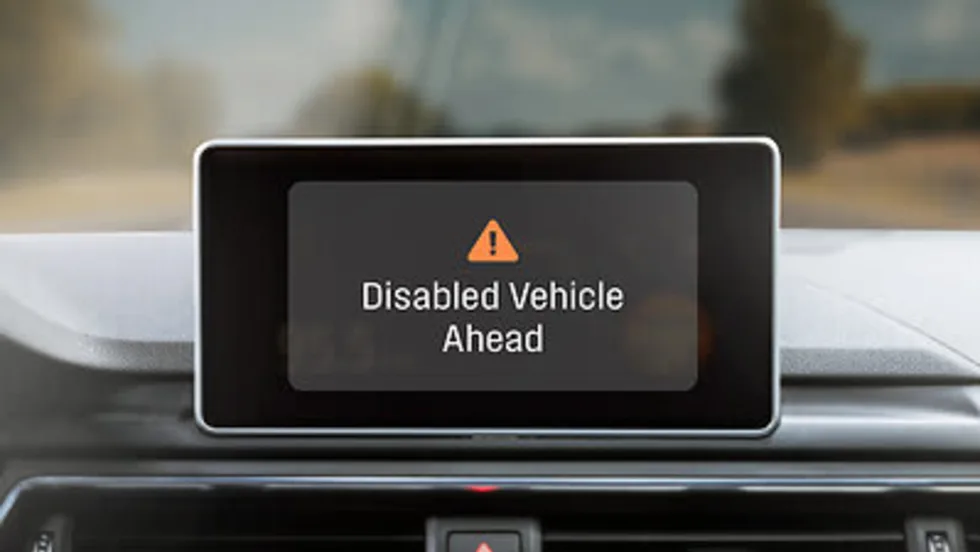
Roadside Warnings Debut
Mazda works with AAA and a technology company to alert passersby to stranded vehicles from its lineup, for both parties’ safety.
Read More →
AI As Trainer?
This month, Agent Entrepreneur Editor Hannah Mitchell shares an artificial-intelligence development that could upend traditional dealership training.
Read More →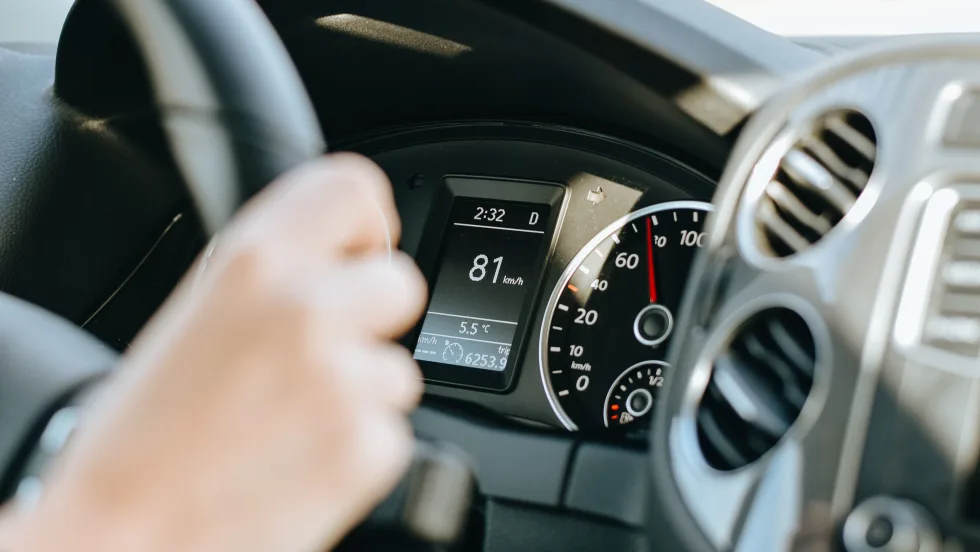
A Lingering Auto Tech Divide
Automakers still struggle to hit consumers’ sweet spot, hanging onto the despised touchscreen and adding other complex systems while simple, effective details hit the mark.
Read More →
AI, China and the Next Wave of Auto Retail Innovation
F&I sits at the center of the changes expected to sweep the industry in just the new few years as new players change the game.
Read More →
That Bot Can Do a Lot
Artificial intelligence was all the buzz at the 2026 Agent Summit. A panel of tech specialists broke through the noise to give agents guidance on steering dealer clients.
Read More →
Cyber F&I
Your dealer clients could only benefit from showcasing products on their websites along with vehicle inventory. Modern consumers expect to be informed and are more likely to buy products when they are.
Read More →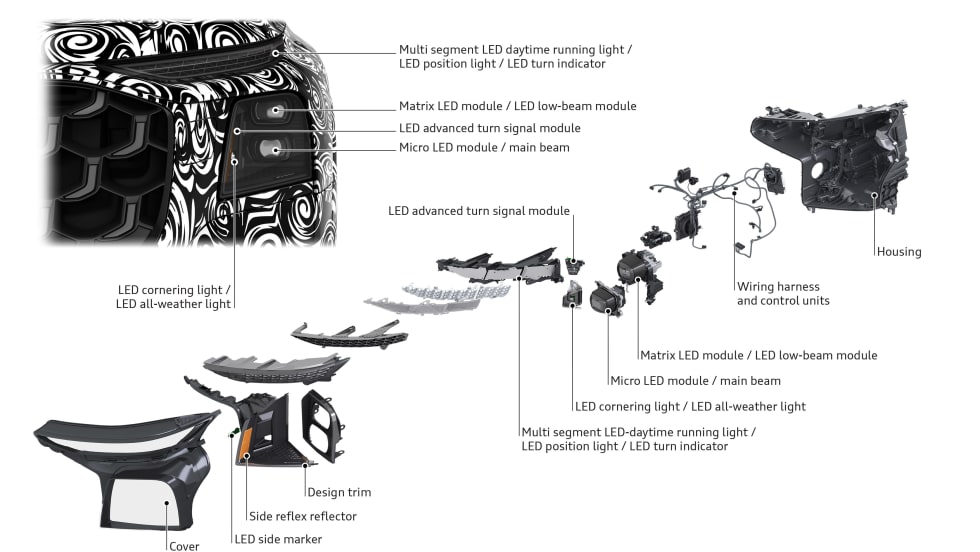
Road Glare to Drop a Notch?
Audi is preparing two SUV models for the American market with the automaker’s adaptive LED headlights. Its technology is designed to reduce brightness for other drivers, a growing complaint among U.S. motorists.
Read More →
AppOne Partners With RouteOne for E-Contracting Solution
By digitizing the entire contracting and funding process, the company says auto dealers can eliminate frustrating and disorganized manual processes.
Read More →